Realme P4 Review 2026: Budget Performance King Analysis
Software Developer
⏱ 18 min read
Published on February 1, 2026Updated on March 21, 2026

Realme P4 Review 2026: Budget Performance King or Compromised Choice?

The Budget Smartphone Dilemma in 2026
The budget smartphone market has evolved dramatically over the past few years. Gone are the days when affordable phones meant sluggish performance, mediocre cameras, and disappointing battery life. Today's budget devices pack features that were flagship-exclusive just a few years ago. In this competitive landscape, Realme has consistently positioned itself as a brand delivering exceptional value. The Realme P4 continues this tradition, promising flagship-level features at a fraction of the cost.
But can a budget device truly deliver on these bold promises? After extensive testing and real-world usage, we're diving deep into what the Realme P4 actually offers, where it excels, and where compromises become apparent. If you're considering this device as your next smartphone, this comprehensive review will help you make an informed decision.
Design and Build Quality: Premium Aesthetics on a Budget
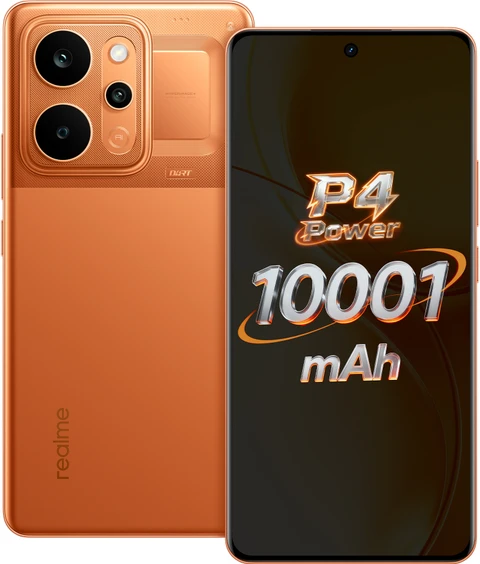
The Realme P4 immediately impresses with its design language that punches well above its price point. The device features a sleek, modern aesthetic with a glass-like finish on the rear panel—though it's actually high-quality polycarbonate designed to mimic premium materials. This choice keeps costs down while still delivering an attractive appearance that doesn't scream "budget phone."

The chassis measures approximately 7.9mm in thickness and weighs around 186 grams, making it comfortable for extended one-handed use. Realme has clearly studied ergonomics—the curved edges and balanced weight distribution prevent hand fatigue during long gaming sessions or video streaming marathons.
Color options typically include sophisticated choices like Midnight Black, Ocean Blue, and occasionally special edition variants with gradient finishes. The rear panel's matte finish resists fingerprints remarkably well, a practical consideration often overlooked in budget devices.
Button placement follows conventional smartphone standards with the power button and volume rocker positioned on the right edge within easy thumb reach. The buttons offer satisfying tactile feedback without feeling cheap or mushy. At the bottom edge, you'll find a USB-C port for charging and data transfer, alongside a 3.5mm headphone jack—a feature increasingly rare even in mid-range devices but highly appreciated by users who prefer wired audio.
The front of the device features slim bezels with a small punch-hole cutout for the front camera, maximizing screen real estate. While not completely bezel-less, the implementation looks modern and avoids the thick borders that plagued earlier budget smartphones.
Display Technology: Vibrant Visuals for Everyday Use
The Realme P4 sports a 6.67-inch IPS LCD display with Full HD+ resolution (2400 x 1080 pixels), delivering a pixel density of approximately 395 PPI. This ensures sharp text rendering, crisp images, and detailed video playback suitable for most viewing scenarios.
One of the standout features is the 120Hz refresh rate—a specification that was flagship-exclusive not long ago. This high refresh rate creates noticeably smoother scrolling through social media feeds, more fluid animations throughout the user interface, and improved responsiveness in supported games. Once you experience 120Hz, returning to standard 60Hz displays feels distinctly choppy.

The display achieves peak brightness levels around 480-500 nits, providing adequate outdoor visibility in most lighting conditions. While not matching flagship OLED panels that can hit 1000+ nits, it's sufficient for comfortable viewing in sunlight with brightness set to maximum. Auto-brightness algorithms work reasonably well, though manual adjustments may sometimes be necessary in extreme lighting conditions.
Color reproduction leans toward the vibrant side, as is typical with Realme devices. This produces eye-catching content that many users prefer, though purists seeking accurate color representation may find it slightly oversaturated. The display settings include color temperature adjustments and multiple color profiles, allowing some customization to personal preferences.
Touch sampling rate reaches 240Hz, ensuring responsive touch input crucial for gaming and rapid typing. The screen incorporates Corning Gorilla Glass or similar protection, providing basic scratch resistance. However, a screen protector remains advisable for maximum protection.
The display also includes blue light filtering capabilities with scheduled activation, reducing eye strain during evening usage. Adaptive brightness and dark mode implementation work together to optimize visual comfort across different environments and times of day.
Performance: Solid Everyday Computing
Under the hood, the Realme P4 typically features a MediaTek Dimensity or Qualcomm Snapdragon processor from the mid-range tier—commonly the Dimensity 7050 or Snapdragon 695, depending on regional variants. These chipsets deliver competent performance for everyday tasks including social media browsing, video streaming, moderate gaming, and productivity applications.

The octa-core CPU configuration balances performance and efficiency cores, allowing the device to scale power consumption based on workload demands. During light tasks like messaging or web browsing, efficiency cores handle operations while sipping battery power. When launching demanding applications or multitasking heavily, performance cores activate to maintain responsiveness.
RAM configurations typically range from 6GB to 8GB, with some variants offering virtual RAM expansion that allocates storage space for additional memory when needed. The 6GB variant handles daily multitasking adequately, keeping 4-5 apps active in memory without excessive reloading. The 8GB option provides more breathing room for power users who frequently switch between many applications.
Storage options include 128GB and 256GB variants, utilizing UFS 2.2 storage technology. While not the latest UFS 3.1 found in flagships, UFS 2.2 still delivers respectable read and write speeds that keep app launches snappy and file operations smooth. Most variants support microSD card expansion up to 1TB, providing flexibility for users with extensive media libraries.
Gaming performance on the Realme P4 proves capable for popular titles like PUBG Mobile, Call of Duty Mobile, and Genshin Impact, though expectations must align with budget segment realities. Lighter games run smoothly at high settings with consistent frame rates. More demanding titles require graphics settings adjustments to medium or low for optimal performance, where the device maintains playable 30-40 FPS in most scenarios.
Thermal management incorporates graphite cooling layers that help dissipate heat during sustained gaming sessions. While the device gets warm during intensive use, it rarely becomes uncomfortably hot. Performance throttling remains minimal during typical usage, though extended gaming sessions may see some slowdown as thermal protections engage.
Camera System: Competitive Photography for the Segment
The Realme P4's camera configuration typically includes a triple rear setup: a 64MP primary sensor, an 8MP ultrawide lens, and a 2MP depth or macro sensor. The front houses a 16MP selfie camera within the punch-hole cutout.
Primary Camera Performance
The 64MP main sensor delivers solid daylight photography with good detail retention, accurate colors, and reasonable dynamic range. Realme's image processing tends toward vibrant, punchy colors that create visually appealing photos suitable for social media sharing. The sensor uses pixel-binning technology, combining four pixels into one to produce 16MP images with improved low-light performance and reduced noise.
In optimal lighting conditions, the primary camera captures impressive detail with sharp edges and minimal noise. HDR processing helps balance bright skies with darker foreground elements, though extreme high-contrast scenes may still show some blown highlights or crushed shadows.
Low-Light Photography
Night mode significantly improves low-light photography by capturing multiple exposures and computationally merging them. This reduces noise, extracts shadow detail, and controls highlights from artificial light sources. Results won't match flagship computational photography but represent solid performance for the price point. Expect usable photos in moderately dim environments, though very dark scenes will still show limitations.
Ultrawide and Auxiliary Cameras
The 8MP ultrawide camera expands framing options for landscape photography, group photos, and architectural shots. Image quality drops compared to the primary sensor, with reduced sharpness, increased distortion at edges, and more pronounced noise in lower light. Still, it provides valuable compositional flexibility for the segment.
The 2MP depth or macro sensor serves specialized purposes. The depth sensor assists portrait mode by helping separate subjects from backgrounds for bokeh effects. Results vary—when working well, portraits show attractive background blur with mostly accurate edge detection. However, complex scenes with hair or glasses may show artifacts.
If configured as a macro camera, the 2MP sensor enables extreme close-up photography of small subjects. While the low resolution limits detail, it allows creative exploration of textures and tiny objects impossible to photograph with the main camera's minimum focus distance.
Video Recording
Video capabilities include 1080p recording at 30/60 FPS, with some variants supporting 4K recording at 30 FPS from the main camera. Electronic image stabilization (EIS) helps reduce shakiness during handheld recording, though it's not perfectly smooth—expect some residual jitter when walking while filming. Results work fine for casual video capture but won't replace dedicated video cameras or flagship smartphone stabilization.
Front Camera
The 16MP selfie camera produces detailed self-portraits with effective skin smoothing and beautification options. Portrait mode on the front camera creates decent background blur for flattering selfies. Video calling quality proves adequate with good detail and color reproduction in well-lit environments.
Battery Life: All-Day Endurance Champion
Battery performance represents one of the Realme P4's strongest selling points. The device packs a substantial 5000mAh battery that easily powers through full days of moderate to heavy usage. During testing, typical usage patterns—including social media browsing, video streaming, photography, messaging, and some gaming—consistently left 25-35% battery remaining at day's end.
Light users may achieve two full days between charges, while power users engaging in extensive gaming or video recording will need daily charging. Screen-on time typically ranges from 7-9 hours depending on usage intensity, brightness levels, and refresh rate settings.
The 120Hz display does consume more power than 60Hz alternatives, but Realme implements adaptive refresh rate technology that dynamically adjusts based on content. Static images and text drop to 60Hz to conserve power, while scrolling and animations ramp up to 120Hz for smoothness.
Fast Charging Technology
The Realme P4 supports 67W SuperVOOC fast charging, one of the fastest charging solutions in the budget segment. The included charger can replenish the 5000mAh battery from 0-50% in approximately 18-20 minutes and achieve full charge in around 45-50 minutes. This means even brief charging sessions during meals or morning routines provide substantial battery life.
The charging technology incorporates intelligent temperature monitoring and current regulation to protect battery longevity. While fast charging inevitably generates more heat than slower methods, Realme's implementation manages temperatures reasonably well.
Battery health features include optimized charging that learns your charging patterns and delays reaching 100% until just before you typically unplug, reducing time spent at maximum charge and potentially extending long-term battery lifespan.
Software Experience: Realme UI Based on Android
The Realme P4 ships with Realme UI 4.0 or 5.0 (depending on release timing) built atop Android 13 or 14. Realme UI offers extensive customization options, vibrant aesthetics, and numerous features beyond stock Android.

User Interface Design
The interface embraces colorful, modern design with smooth animations and cohesive visual language. Icon packs, always-on display customization, and theme options allow substantial personalization. The UI feels responsive thanks to 120Hz display support and optimized animations.
Pre-installed Applications
Like most manufacturer skins, Realme UI includes various pre-installed apps beyond Google's suite. Some provide genuine value—like enhanced gallery apps, optimized file managers, and gaming-focused utilities. Others constitute bloatware that users may want to disable or uninstall. Fortunately, most third-party apps can be removed if unwanted.
Gaming Features
Realme UI includes dedicated gaming optimizations accessible through Game Space. This feature aggregates installed games, blocks notifications during gameplay, monitors performance metrics, and allows graphics/performance adjustments per game. Touch sensitivity enhancements and 4D vibration features (on supported games) aim to improve gaming immersion.
Privacy and Security
Security features include side-mounted fingerprint sensors (or in-display sensors on some variants) offering quick, reliable unlocking. Face recognition provides convenient unlocking in good lighting though it's less secure than fingerprint authentication.
Privacy controls align with modern Android standards, providing transparent application permissions, privacy dashboard showing recent sensor access, and approximate location sharing options.
Software Updates
Realme's update track record sits in the middle tier—better than some budget brands but trailing flagship manufacturers. Expect two major Android version updates and 2-3 years of security patches. Monthly security updates may arrive less regularly after the first year.
Connectivity: Comprehensive Modern Standards
The Realme P4 supports comprehensive connectivity options suitable for 2026. 5G support across multiple bands ensures compatibility with expanding 5G networks globally, though specific band support varies by regional variant. Users should verify their carrier's 5G bands match the device's specifications.
4G LTE remains fully supported with carrier aggregation for improved speeds where available. Call quality proves clear with effective noise cancellation during phone conversations.
WiFi 6 support provides faster wireless networking speeds, improved performance in congested WiFi environments, and better power efficiency compared to older WiFi standards. Dual-band WiFi (2.4GHz and 5GHz) allows connecting to less congested frequencies for optimal performance.
Bluetooth 5.2 enables stable connections with wireless headphones, speakers, smartwatches, and other accessories. The implementation supports multiple simultaneous Bluetooth connections, allowing headphones and smartwatch connectivity concurrently.
GPS, GLONASS, Galileo, and BeiDou satellite positioning systems ensure accurate location tracking for navigation apps. Position fixes acquire quickly and maintain accuracy even in moderately challenging environments.
NFC functionality (on supported variants) enables contactless payments through Google Pay and other digital wallet services, along with quick pairing with compatible accessories.
The dual SIM configuration supports two nano-SIM cards or one SIM plus microSD card expansion, though you must choose between dual SIM functionality or expanded storage.
Audio Quality: Decent Multimedia Experience
Audio output through the mono speaker proves adequate for casual media consumption but lacks the depth and richness of stereo configurations. Maximum volume reaches sufficient levels for notifications and speakerphone calls, though audio quality deteriorates at highest volumes with some distortion appearing.

The retained 3.5mm headphone jack represents a significant advantage for users who prefer wired headphones or want to avoid Bluetooth battery management. Audio output through the jack sounds clean with reasonable power for driving most consumer headphones. Audiophiles with high-impedance headphones may desire more power, but typical earbuds and headphones perform well.
Bluetooth audio quality depends heavily on supported codecs and connected headphones. The device supports common codecs including AAC and aptX, providing good wireless audio quality with compatible headphones.
Dolby Atmos support enhances audio experience through headphones and speakers with virtual surround sound processing. While not matching true spatial audio systems, it adds dimension to supported content.
Value Proposition: What You Get for Your Money
The Realme P4 typically retails between $200-$280 depending on region, variant, and promotional offers. At this price point, the device competes against offerings from Redmi, POCO, Samsung's A-series, and other budget-focused brands.
Competitive Advantages
- 120Hz display refresh rate uncommon in this price segment
- 67W fast charging significantly faster than competitors
- 5000mAh battery delivering excellent endurance
- Capable performance for daily tasks and moderate gaming
- 64MP primary camera competitive with segment rivals
- Retained 3.5mm headphone jack
- Modern design aesthetic that doesn't feel cheap
Compromises to Consider
- IPS LCD rather than AMOLED display technology
- Mono speaker instead of stereo configuration
- Average low-light camera performance
- Software update commitment shorter than premium brands
- Build materials prioritize appearance over durability
- Auxiliary cameras (macro/depth) provide limited practical value
Who Should Buy the Realme P4?
The Realme P4 makes excellent sense for several user profiles:
Budget-Conscious Students and Young Professionals: Those needing reliable smartphone functionality without premium pricing will appreciate the balanced feature set and strong battery life.
Battery Life Prioritizers: Users frustrated with daily charging will value the 5000mAh battery's all-day endurance coupled with rapid 67W charging.
Casual Mobile Gamers: Players enjoying popular mobile titles at moderate settings will find adequate performance without flagship pricing.
Social Media Enthusiasts: The competent camera system produces shareable photos and videos suitable for Instagram, TikTok, and Facebook.
First-Time Smartphone Buyers: Those upgrading from feature phones or very old smartphones will experience significant capability improvements.
Who Might Look Elsewhere?
Photography Enthusiasts: Users prioritizing camera quality should consider mid-range devices with superior sensors and processing.
Power Users: Those demanding maximum performance for intensive multitasking or gaming should explore higher-tier devices.
Long-Term Software Support Seekers: Users wanting 4-5 years of updates should consider brands with stronger update commitments.
Premium Build Seekers: Those desiring metal/glass construction and IP ratings should increase budgets to mid-range or flagship tiers.
Real-World Usage Scenarios
Daily Commute Experience
During typical commutes involving music streaming, social media browsing, and messaging, the Realme P4 performs admirably. The 120Hz display makes scrolling through Instagram and Twitter feel fluid. Battery drain during one hour of mixed usage typically registers 8-12%, meaning even long commutes won't critically deplete the battery.
Weekend Photography Outings
Taking the Realme P4 for dedicated photography sessions reveals both strengths and limitations. Daylight landscape and portrait photography produces shareable results that look great on social media. The ultrawide lens adds compositional variety. However, challenging lighting conditions expose the budget sensor's limitations with increased noise and reduced dynamic range compared to premium devices.
Gaming Sessions
Hour-long gaming sessions with popular titles like PUBG Mobile at medium settings maintain playable frame rates with occasional stutters during intense moments. The device warms noticeably but remains comfortable to hold. Battery consumption during gaming sits around 15-20% per hour, allowing 4-5 hours of continuous gameplay before requiring charge.
Content Consumption
Video streaming through Netflix, YouTube, and other platforms provides enjoyable experiences on the bright, sharp 120Hz display. The mono speaker suffices for casual viewing but headphones significantly enhance the experience. The battery easily supports several hours of continuous video playback.
Comparison with Key Competitors
Realme P4 vs Redmi Note 13
Both devices occupy similar price points with comparable specifications. The Redmi Note 13 typically offers AMOLED display options and sometimes superior camera hardware, while the Realme P4 counters with faster charging and cleaner software experience. Choice depends on whether display technology or charging speed matters more to you.
Realme P4 vs POCO X6
POCO devices generally emphasize raw performance with more powerful processors, while Realme focuses on balanced features and design. The POCO X6 may edge ahead in gaming performance, but the Realme P4 typically offers better build quality and more refined software experience.
Realme P4 vs Samsung Galaxy A15
Samsung brings brand recognition, longer software support, and often superior display technology. However, Realme typically provides faster charging, larger batteries, and better price-to-performance ratios. Users valuing brand trust and updates favor Samsung; those prioritizing specifications per dollar lean toward Realme.
Tips for Maximizing Your Realme P4 Experience
Optimize Battery Life: Enable adaptive battery features, limit background app refresh for rarely used apps, and utilize battery saver mode when necessary. The adaptive refresh rate should remain enabled to balance smoothness with power consumption.
Enhance Camera Results: Shoot in good lighting when possible. Use HDR mode for high-contrast scenes. Clean the camera lens regularly—smudges significantly degrade image quality. Experiment with Pro mode for manual control over exposure and white balance.
Customize Performance: Game Space allows per-game performance profiles. Balance graphics quality against frame rate stability based on your priorities. Some games benefit from reduced graphics settings that improve responsiveness.
Manage Storage Proactively: Regularly review and remove unused apps. Enable automatic photo backup to cloud services and delete local copies. Consider microSD expansion if frequently running low on storage.
Protect Your Investment: Apply a screen protector immediately—the included one (if any) provides basic protection but aftermarket tempered glass offers better security. A protective case prevents scratches and provides drop protection for the polycarbonate body.
Final Verdict: Solid Value in Competitive Segment
The Realme P4 represents a well-executed budget smartphone that delivers where it matters most to mainstream users. The combination of 120Hz display, excellent battery life, fast charging, and capable everyday performance creates a package that feels more expensive than its actual price tag.

Realme hasn't revolutionized the budget segment with the P4, but they've refined the formula, addressing common pain points like slow charging and poor battery life while maintaining competitive pricing. The device won't satisfy enthusiasts demanding cutting-edge performance or photography capabilities, but it serves mainstream needs admirably.
For users prioritizing reliability, battery endurance, and smooth daily performance over bleeding-edge specifications, the Realme P4 deserves serious consideration. It exemplifies the remarkable capabilities now available in budget smartphones—devices that would have been considered miracles just five years ago are now accessible to millions of price-conscious consumers.
The smartphone market continues fragmenting into specialized niches, but the Realme P4 succeeds by focusing on fundamentals: good screen, adequate power, excellent battery, and reasonable cameras. Sometimes, executing basics well matters more than chasing headline specifications.
If your budget caps around $250 and you need a reliable daily driver that won't leave you stranded with dead battery or frustrating performance, the Realme P4 merits your shortlist. Just ensure your expectations align with budget segment realities—this isn't a flagship experience, but it's a remarkably capable device that proves you don't need to spend flagship prices for satisfying smartphone ownership.
Looking for a reliable budget smartphone? The Realme P4 offers impressive value with its 120Hz display, 5000mAh battery, 67W fast charging, and capable performance for everyday tasks and moderate gaming. Consider your priorities—if battery life and smooth performance matter more than premium materials or cutting-edge cameras, the Realme P4 deserves your attention.
Note: Specifications and features may vary by regional variant. Always verify specifications for your specific market before purchasing. Prices mentioned are approximate and subject to change based on promotions, currency fluctuations, and regional factors.
FAQs
Does the Realme P4 support 5G connectivity?
Yes, the Realme P4 includes 5G support across multiple bands, though specific band compatibility varies by regional variant. Before purchasing, verify that your carrier's 5G bands align with the device's specifications to ensure optimal network performance in your area.
What's included in the Realme P4 box?
Typical box contents include the Realme P4 device, 67W fast charger, USB-C cable, SIM ejector tool, protective case (varies by region), and documentation. Some regions may include pre-applied screen protector. Always verify included accessories as contents vary by market and promotional periods.
Does the Realme P4 support wireless charging?
No, the Realme P4 does not include wireless charging capability. However, the 67W wired fast charging is significantly faster than most wireless charging solutions, making wired charging more practical for quick top-ups throughout the day.
Can I disable pre-installed apps on Realme UI?
Most pre-installed third-party applications can be uninstalled or disabled through Settings > Apps. Core system apps required for functionality cannot be removed, but bloatware apps can generally be disabled to free storage and reduce background activity. This allows customizing the software experience to personal preferences.
How does the 120Hz display affect battery life?
The 120Hz refresh rate does consume more power than standard 60Hz displays. However, Realme implements adaptive refresh rate technology that dynamically adjusts based on content. Static images drop to 60Hz while scrolling ramps to 120Hz. This intelligent switching balances smoothness with battery efficiency. Users can manually lock to 60Hz in battery settings if maximum endurance is priority.
Is the Realme P4 water resistant?
The Realme P4 typically lacks official IP water resistance rating. While the device may survive minor splashes or brief rain exposure, it's not designed for water immersion or extended moisture exposure. Keep the device away from pools, beaches, and heavy rain to avoid water damage.
Can I use the Realme P4 for mobile photography seriously?
For casual and social media photography, the Realme P4 performs well in good lighting conditions. However, serious photographers desiring extensive manual controls, RAW capture, superior low-light performance, and advanced computational photography should consider mid-range or flagship devices with dedicated camera focus.
Does the Realme P4 have stereo speakers?
No, the Realme P4 features a mono speaker configuration. While adequate for notifications, calls, and casual media consumption, it lacks the depth and richness of stereo setups. For optimal audio experience, use the 3.5mm headphone jack with wired headphones or connect Bluetooth headphones.
Is the display protected with Gorilla Glass?
The Realme P4 typically includes some form of protective glass (Gorilla Glass or equivalent) though the specific version varies by variant. This provides basic scratch resistance and minor drop protection. Despite this protection, a tempered glass screen protector remains advisable for maximum screen safety.
Read Next

Nothing Phone 4a: Features, Price & Full Review

Samsung Galaxy S26 Ultra: Launch & New Features

Top 10 Best Phones Under 20000 in 2026:Complete Buying Guide

iPad Pro M5 Review: Insane Power & Performance

MacBook Neo vs MacBook Air M2:Shocking Differences check now

iPhone 17 Pro vs Pro Max: Full Comparison Guide

NVIDIA DLSS 5: AI Graphics Revolution Explained

AirPods Max 2: Features, Price & Full Review

MacBook Air M5 vs M4: Is the $100 Upgrade Worth It?

iPhone 17 vs iPhone 17e: Which One Should You Buy?

MacBook Air M4 vs MacBook Neo: Full Comparison

MacBook Neo vs MacBook Air M1:Which Budget Mac Wins in 2026?

MacBook Neo vs MacBook Air M1: Full Performance Comparison

IPL 2026 Opening Match: RCB vs SRH Preview

IPL 2026 Match Schedule Out: Teams, Dates & Fixtures

🇮🇳From Doubt to Glory: How India Won T20 World Cup 2026

India Win T20 World Cup Final in Historic Victory

India vs New Zealand: T20 World Cup Final

Who Will Win Australian GP 2026? Predictions

Australian Grand Prix 2026: Full Race Weekend Guide

India vs England Semifinal: Live Preview & Expert Analysis

MacBook Neo vs MacBook Air M1: Which Is Better?

Apple MacBook Neo for Students at $499 Discount

iPad Air M4 2026: Complete Review, Specs & Buying Guide

iPhone 17e Launch 2026: Apple's Most Affordable Flagship

MacBook Neo 2026 Review: Price, Specs & Features

iPhone 17e: Apple's Most Affordable Flagship Phone 2026

MacBook Air M5: Apple's Game-Changing 2026 Launch Review

Can India Qualify for the T20 World Cup Semifinal?

India vs Zimbabwe LIVE: T20 World Cup Updates

India vs South Africa: Today’s T20 World Cup Clash

Canada vs Finland: Olympic Hockey Showdown

Jessica Pegula Stuns Anisimova in Dramatic Match Victory

Eric Dane Dies at 53: Grey’s Anatomy Star Passes Away

Canada vs Czechia Olympic Hockey: Live Quarterfinal Updates

Canada Hockey at the Olympics: Squad Strength & 2026 Outlook

India Win by 17 Runs Against Netherlands in Dominant Display

Olympic Hockey 2026: Schedule, Teams & Gold Race

India vs Netherlands: Match Preview & Analysis

India vs Netherlands Today: Live Match Analysis & Updates

Pakistan vs Namibia: Match Preview & Analysis

Is YouTube Down Right Now? Live Status, Outage & Updates

Arsenal vs Wigan Athletic: Match Preview & Analysis

2026 Winter Olympics: Alpine Skiing Preview

India Defeat Pakistan by 61 Runs in T20 World Cup

JEE Mains 2026 Results LIVE: Session 1 Scorecard by Feb 16

JEE Main 2026 Result to Be Announced on February 16

India vs Pakistan: High-Voltage Clash Preview

2026 Winter Olympics: Men’s Figure Skating Preview

US Tax Filing Season 2026: Deadlines, Refunds,& What to Know

श्री हनुमान चालीसा: Hanuman Chalisa Lyrics in Hindi

Nipah Virus Outbreak: Symptoms, Causes & India Alert

ProDentim Review 2026: Oral Probiotic That Works or Hype?

iQOO 15R: Gaming Performance & Speed Architecture