Android 17 QPR1: Pixel Update Worth Installing Now

Published
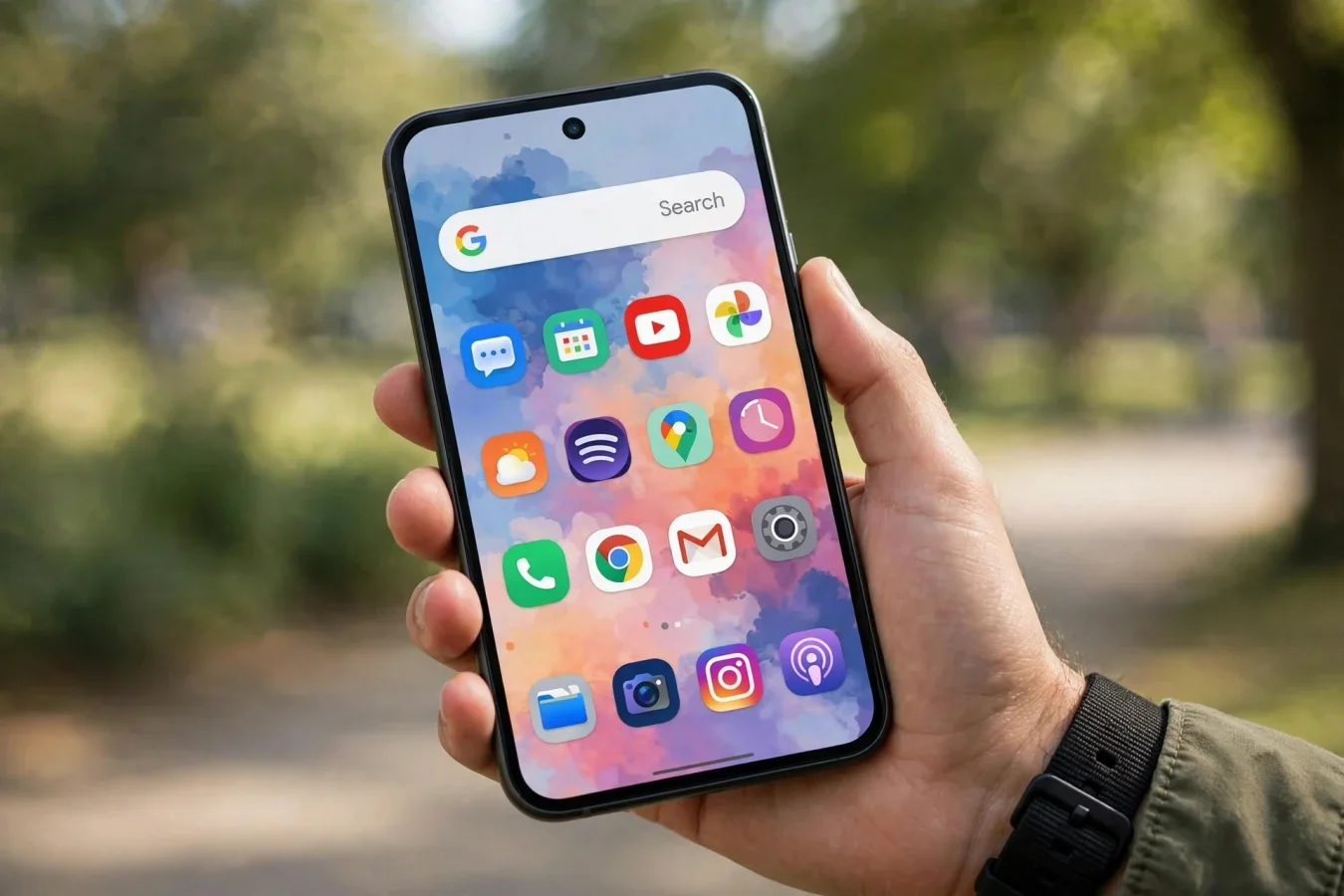
Android 17 QPR1 is the September Pixel Drop — and it's more than bug fixes
Android 17 QPR1 is rolling out as part of Google's September 2026 Pixel Feature Drop, for Pixel 6 through Pixel 11, plus original Fold, according to TechRepublic — though Tablet listing varies: TechRepublic says official chart does not list Pixel Tablet, 9to5Google's list does include it, so Tablet owners should check Settings > System update. Under the hood, QPR1 fixes crashes, connectivity, gaming, and everyday annoyances, according to TechRepublic, plus expanded blur, Pause Point, custom vibrations, and desktop windowing, according to AndroidHeadlines. This guide covers QPR1, the September Drop, eligible Pixels, and the QPR3 beta warning.
Visuals: Material 3 Expressive gets more blur, bouncier Quick Settings
The most noticeable changes are visual, according to TechRepublic. Android 17 QPR1 adds more translucent blur effects throughout the system, including the volume panel, power menu, app folders and other interface areas, according to TechRepublic. There are a number of interface changes in Android 17 QPR1, starting with more blur effects across the system UI, according to 9to5Google. The volume panel is where you'll most likely notice the Dynamic Color-themed translucency, with the full bottom sheet also updated, according to 9to5Google. The Power menu has also been refreshed and is joined by a background blur, according to 9to5Google. This matches the updates that the widgets picker received in the initial Android 17 June release, according to 9to5Google.
Quick Settings gets a bouncier opening animation and a new edit button, according to TechRepublic. When opening Quick Settings, you'll notice a new bouncy animation, while there's a new icon in the bottom-right corner for making edits, according to 9to5Google. Quick Settings gets a bouncier, springier pull-down animation that matches the main notification shade, complete with predictive back gesture support and a new edit icon in the bottom-right corner, according to AndroidHeadlines. Google is leaning heavily into depth and translucency with this release, according to AndroidHeadlines. Building on the Material 3 Expressive design, translucent background blurs now pop up across the entire system UI, according to AndroidHeadlines.
The Mobile Data tile now includes a "Don't ask me again" option, while a new Keyboard tile provides quicker access to the system keyboard switcher, according to TechRepublic. The Mobile Data Tile has been updated with a "Don't ask me again" toggle, according to 9to5Google. There's also a new QS Tile for "Keyboard" that lets you access the system switcher, according to 9to5Google. The Screen recording tool now defaults to the last-used application, according to 9to5Google.
Google has also redesigned the media player when several apps have active media sessions, according to TechRepublic. Instead of pagination dots, users can swipe through a carousel of media cards, according to TechRepublic. The system media player has a new Material 3 carousel-based interface when there are multiple apps, according to 9to5Google. The system media player drops old pagination dots for a swipeable card layout where adjacent media sessions peek out at the edge, according to AndroidHeadlines.
Other changes: refreshed Settings icon, redesigned wallpaper switcher, new camera double-press animation, homescreen long-press split into Shortcuts and Actions, Health Connect distance/calories alongside steps, according to TechRepublic and 9to5Google.
So QPR1's visual changes are not a redesign — they're polish: more blur, bouncier animations, a media carousel, a Keyboard tile, a Mobile Data toggle, and a cleaner wallpaper switcher. If you like Material 3 Expressive, you'll notice QPR1 immediately. If you don't, you can largely ignore it — the visual changes don't force a new workflow, they just make the existing one feel smoother.
Pause Point, scam detection, and VIPs: the Pixel Drop features
Android 17 QPR1 also introduces "Pause Point" in Digital Wellbeing, according to TechRepublic. The feature can briefly interrupt access to apps marked as distracting and offer alternatives such as breathing exercises or another activity, 9to5Google reported, according to TechRepublic. Pause Point was one of Android 17's headline features, but it's been exclusive to the Pixel 11 series — until now, according to TechAdvisor. All recent Pixel phones can now add a pause before opening self-determined distracting apps, according to TechAdvisor. Pop-up suggestions include guided breathing, reminders of important photos, alternative app suggestions, session time limits and a requirement to set an intention, according to TechAdvisor.
Google's September Pixel Drop brings several exclusive updates to recent Pixel phones, including expanded Pause Point distraction tools and new scam detection alerts rolling out to nine new countries, including the UK, according to TechAdvisor. While the Pixel 11 series has got a lot of the recent attention, Google hasn't forgotten about its older hardware, according to TechAdvisor. Every phone since the Pixel 6 and 6 Pro is eligible for the September Pixel Drop, having already received Android 17, according to TechAdvisor.
The VIPs widget is an easy way to access your favourite contacts directly from the home screen, according to TechAdvisor. With the September Pixel Drop, Google is redesigning it, making it significantly easier to call or text with a single tap, according to TechAdvisor. Not only is it bringing Scam Detection within notifications (previously a US-exclusive) to nine new countries (including the UK), it's now integrating similar functionality directly into Gboard, according to TechAdvisor. Now, whenever you go to reply to a suspected scam, it'll be flagged directly above the keyboard, according to TechAdvisor. Tapping the button will provide more details, according to TechAdvisor. The catch is that this one is exclusive to the US for now, but hopefully that'll change soon, according to TechAdvisor — so Gboard scam flagging is US-only for now, while notification scam detection expands to nine new countries including the UK.
Haptic customization gets a huge bump in this build, according to AndroidHeadlines. You are no longer stuck with default call vibrations, as Android 17 QPR1 lets you set custom vibration patterns for individual ringtones, according to AndroidHeadlines. You can freely choose between standard pulses, audio-synced haptics, or fully custom vibration feedback, according to AndroidHeadlines. That's a small feature, but a useful one: different vibration patterns for different contacts or ringtones, so you can tell who's calling without looking at your phone.
Desktop windowing and taskbar: for tablets, foldables, and desktop setups
For tablets, foldables and desktop-style setups, the update improves taskbar behavior and desktop windowing, including shortcuts for fullscreen, split-screen and windowed layouts, according to TechRepublic. If you use a tablet, foldable, or desktop setup, Android 17 QPR1 packs serious productivity upgrades across the board, according to AndroidHeadlines. On large-screen devices, the taskbar now displays your recent active apps instead of algorithmic predictions, according to AndroidHeadlines. In desktop windowing mode, hovering over the maximize button reveals instant shortcuts for fullscreen, split-screen, and windowed layouts, according to AndroidHeadlines. Picture-in-Picture windows float completely free in desktop mode without snapping to screen edges, according to AndroidHeadlines. Furthermore, floating system bubbles now support drag-and-drop, according to AndroidHeadlines.
That taskbar change — recent apps instead of algorithmic predictions — is a practical improvement: you see what you actually used recently, not what Google predicts you'll use. And desktop windowing shortcuts (fullscreen, split-screen, windowed) via hover over maximize make multitasking on a tablet or foldable faster, without digging through menus. If you use a Pixel Fold, Pixel Tablet, or a Pixel phone with a desktop setup, QPR1's windowing improvements are worth installing for. If you only use a phone in portrait, you won't notice them — but you also won't be harmed by them.
Eligible devices, how to update, and the QPR3 beta warning
Android 17 QPR1 is rolling out starting today for the Pixel 6, Pixel 6 Pro, Pixel 6a, Pixel 7, Pixel 7 Pro, Pixel 7a, Pixel Tablet, Pixel Fold, Pixel 8, Pixel 8 Pro, Pixel 8a, Pixel 9, Pixel 9 Pro, Pixel 9 Pro XL, Pixel 9 Pro Fold, Pixel 9a, Pixel 10, Pixel 10 Pro, Pixel 10 Pro XL, Pixel 10 Pro Fold, Pixel 10a, Pixel 11, Pixel 11 Pro, Pixel 11 Pro XL, and Pixel 11 Pro Fold, according to 9to5Google. Visit Settings > System > System update and click the "Check for update" button if the OTA hasn't already appeared on your device, according to 9to5Google. Android 17 QPR1 Beta 9 users will get a small update to this final release, according to 9to5Google.
Pixel owners can check for Android 17 QPR1 under Settings > System > Software updates > System update, according to TechRepublic. Because Google is rolling out the release in phases, the update may not appear on every eligible device immediately, according to TechRepublic. The release targets issues with crashes, mobile connectivity, notifications, gaming performance, Bluetooth, and other everyday functions, and arrives alongside Google's September Android security fixes, according to TechRepublic.
Note the Tablet discrepancy: TechRepublic says Google's official availability chart does not list the Pixel Tablet, while 9to5Google's list includes Pixel Tablet. Treat Tablet as "check for update" rather than guaranteed — if you have a Pixel Tablet, go to Settings > System > System update and see if QPR1 appears, rather than assuming it will or won't.
For beta testers: Google has officially released Android 17 QPR3 Beta 1 for eligible Pixel smartphones and tablets, kicking off testing for the third Quarterly Platform Release cycle, according to AndroidSage. Arriving alongside specialized builds for the Pixel 11 flagship family and older Tensor-powered devices, this release introduces functional Quick Settings additions, expands Pixel 11 visual elements back to Pixel 10 devices, and addresses a comprehensive suite of hardware, biometric, and modem crashes, according to AndroidSage. Android 17 QPR3 (the quarterly update cycle) for Pixel lineup brings an exclusive Notes Quick Settings tile for Pixel 11, brings the Gemini Intelligence boot animation to Pixel 10, tweaks status bar icons, and resolves critical modem and biometric crashes, according to AndroidSage.
Enrolled users who want to transition to the stable public Android 17 QPR2 release must opt out immediately without installing QPR3 Beta 1 to avoid a mandatory factory wipe, according to AndroidSage. To get the stable version, those running the Android 17 QPR1 Beta have to opt out first, according to 9to5Google. The Android Beta Program will remain open and continue testing QPRs and feature drops, according to 9to5Google. So if you're on QPR1 Beta and want stable QPR1, opt out (without wiping, if you follow the beta program's stable transition path). If you install QPR3 Beta 1, you can't go back to stable QPR2 without a factory wipe, according to AndroidSage — so don't install QPR3 Beta unless you want to stay on beta.
Verdict: install QPR1 now, skip QPR3 Beta unless you're a tester
Android 17 QPR1 is worth installing now for most Pixel owners: Material 3 blur and bouncier Quick Settings, media carousel, Keyboard tile, Pause Point for all recent Pixels (not just Pixel 11), scam detection expanding to nine new countries, custom vibration patterns, Health Connect distance/calories, taskbar and desktop windowing improvements, plus crash, connectivity, gaming, and Bluetooth fixes, plus September security patches. It's a quarterly update, not a major version, but it's a substantial one — and it's stable, not beta.
Install it via Settings > System > System update > Check for update, and wait for the phased rollout if it doesn't appear immediately. Don't install QPR3 Beta 1 unless you're a beta tester who wants Notes tile, Gemini boot animation, and modem/biometric fixes, and you're willing to stay on beta or factory wipe to go back to stable. For everyone else, QPR1 stable is the update to install.
FAQs
What is Android 17 QPR1?
The September 2026 Pixel Drop quarterly update, with Material 3 blur, Pause Point, scam detection, custom vibrations, desktop windowing, and crash/security fixes.
Which Pixels get Android 17 QPR1?
Pixel 6 through Pixel 11, including a-models, Pro, XL, Fold, and Pro Fold, plus original Pixel Fold. Pixel Tablet listing varies by source — check Settings for update.
How do I install Android 17 QPR1?
Settings > System > Software updates > System update > Check for update. Rollout is phased, so it may not appear immediately.
What is Pause Point?
Digital Wellbeing feature that briefly interrupts distracting apps and offers breathing, photos, alternative apps, time limits, or intention-setting. Previously Pixel 11 only, now all recent Pixels.
Is scam detection available outside the US?
Notification scam detection expands to nine new countries including UK. Gboard scam flagging is US-only for now.
Should I install QPR3 Beta 1?
Only if you're a beta tester. Installing QPR3 Beta 1 means you can't go back to stable QPR2 without a factory wipe.
Does Android 17 QPR1 change my phone's look?
Yes, more translucent blur, bouncier Quick Settings, media carousel, new Settings icon, and wallpaper switcher — polish, not a redesign.
Was this article helpful?

Written By
TechorCoffeeContributing Writer
TechorCoffee is a technology reporter and software creator writing reviews and tutorials for TechOrCoffee.
Comments (0)
Leave a Comment
Read Next

Thu Apr 09 2026
Leaks & Rumors: iPhone 18 Pro Max vs iPhone 17 Pro Max: Full Comparison
The iPhone 17 Pro Max is already a fully matured flagship—top camera, insane battery life, and stable performance. The iPhone 18 Pro Max is expected to refine the experience further, not revolutionize it.
Tue Jun 16 2026
Samsung Galaxy Z Fold 8 vs Galaxy Z Fold 7:Worth to Upgrade?
Samsung Galaxy Z Fold 8 vs Galaxy Z Fold 7: Is it worth the upgrade? Compare specs, battery upgrades, 45W charging, and camera leaks before you buy.

Wed Apr 08 2026
Leaks & Rumors: iPhone 18 Pro Max: Every Leak, Spec and Upgrade Confirmed
The iPhone 18 Pro Max is expected in September 2026 as Apple’s most powerful iPhone yet. It features a 6.9-inch LTPO OLED display, A20 Pro chip, 48MP camera with variable aperture, 5,100–5,200mAh battery, C2 modem with satellite support, and a starting price of $1,199.