DJI Osmo Pocket 4 Review: Is This the Best Vlogging Camera ?

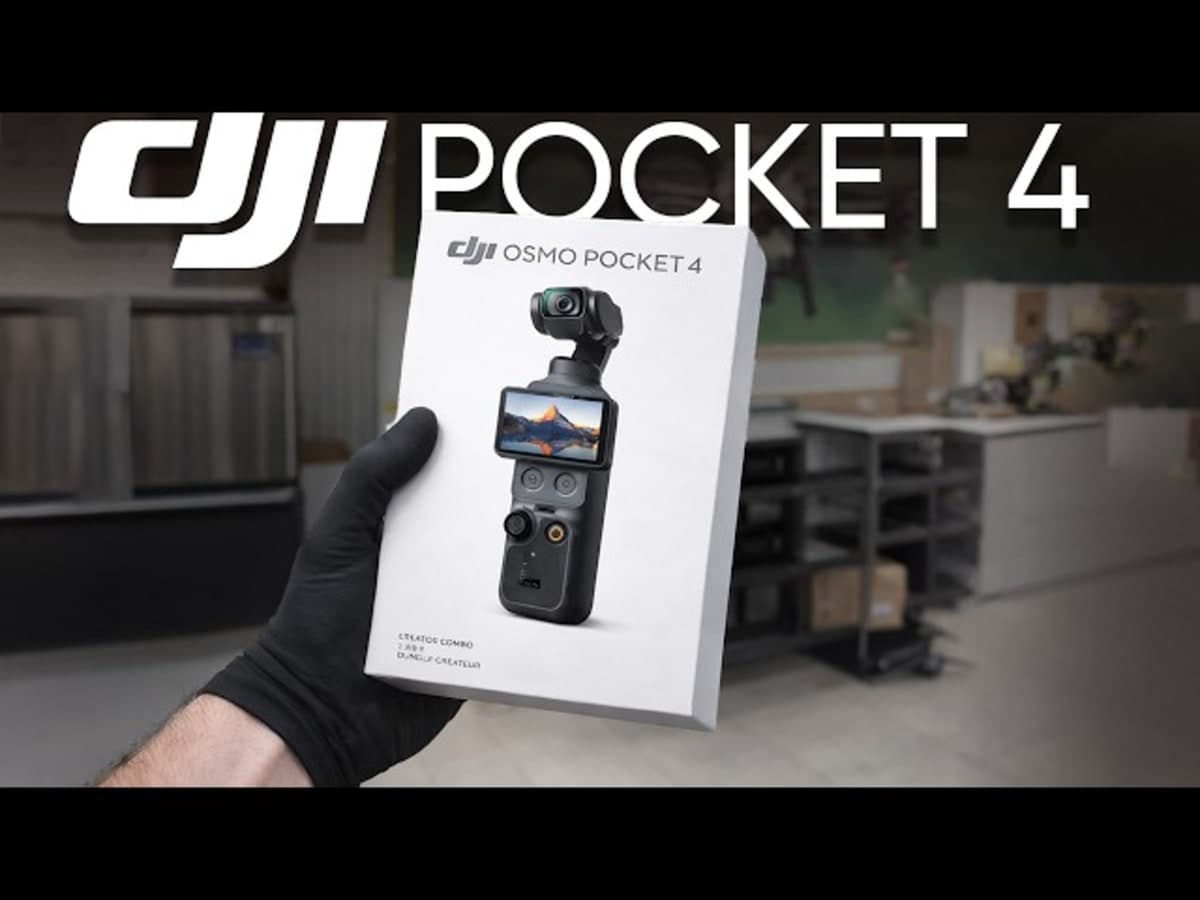
Introduction: The Camera That Creators Actually Waited For
When DJI launched the Osmo Pocket 3 back in late 2023, it felt like they had already built the perfect vlogging camera. The 1-inch sensor, rotating touchscreen, and whisper-quiet gimbal made it the go-to tool for solo creators, travel filmmakers, and even professionals who needed a B-roll camera they could slip into a jacket pocket.
So when rumors of the DJI Osmo Pocket 4 started circulating in late 2025, the creator community sat up immediately. After months of leaks, FCC filings, and forum speculation, DJI officially announced the Pocket 4 on April 16, 2026. I got hands-on time with it ahead of launch, and in my testing, this camera pushes what a pocket gimbal can do further than I expected.
This review covers everything: specs, real-world performance, how it compares to the Pocket 3, pricing across UK and Europe, the US availability situation, and my honest verdict on who should buy it.
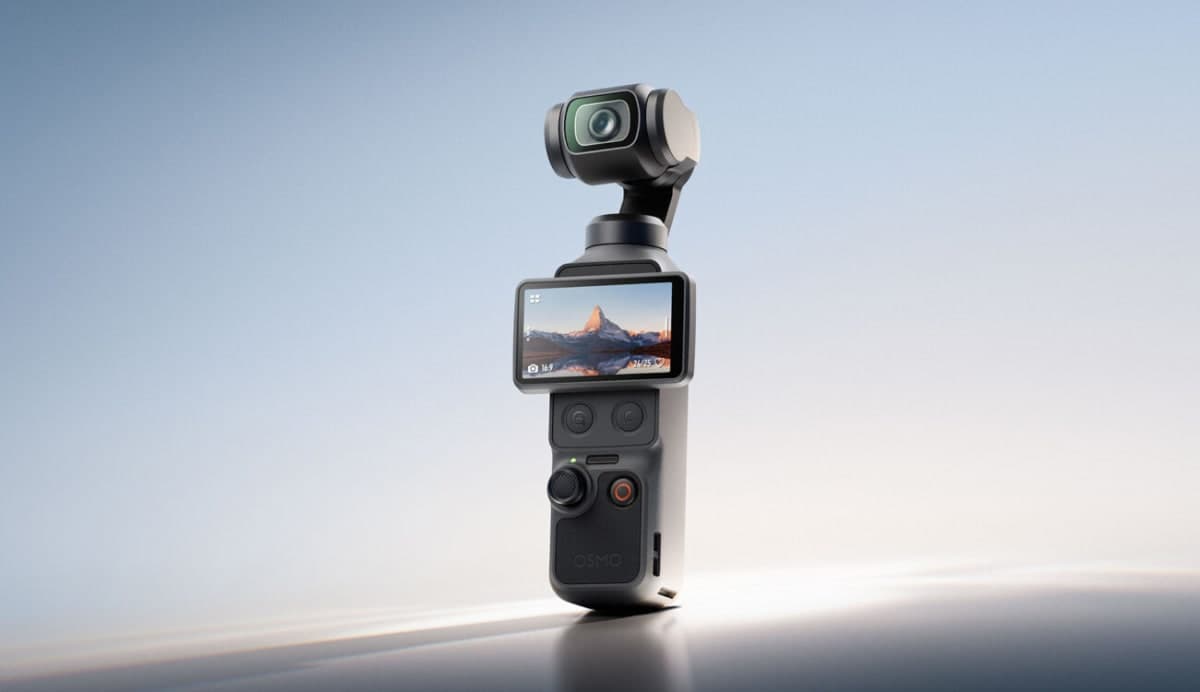
DJI Osmo Pocket 4 Quick Facts
| Feature | DJI Osmo Pocket 4 | DJI Osmo Pocket 3 |
|---|---|---|
| Sensor | 1-inch CMOS | 1-inch CMOS |
| Max Video Resolution | 4K/240fps | 4K/120fps |
| Photo Resolution | 37MP | 9.4MP |
| Internal Storage | 107GB | None (SD card only) |
| Dynamic Range | 14 f-stops | ~13 f-stops |
| Tracking | ActiveTrack 7.0 | ActiveTrack 6.0 |
| Battery | 1,545mAh | 1,300mAh |
| Battery Life (4K) | ~2.5 hours | ~2 hours |
| Charge Speed | 80% in 18 minutes | Standard USB-C |
| Dimensions | 144.2 x 44.4 x 33.5 mm | 139.7 x 42.1 x 30 mm |
| Price (Standard Combo) | £445 / €499 | ~£380 / €429 |
| US Availability | Not at launch | Yes |
What Is the DJI Osmo Pocket 4? (And Why It Matters)
The Osmo Pocket 4 sits in a category DJI effectively invented: the three-axis mechanically-stabilized gimbal camera that fits inside a trouser pocket. It is not an action camera like a GoPro. It is not a mirrorless camera. It is something designed specifically for creators who want cinematic, stabilized footage without carrying a full rig.
The original Pocket launched in 2018 and proved the concept. The Pocket 2 refined it. The Pocket 3 perfected it with that 1-inch sensor and rotating display, and the camera sold in enormous numbers across Europe, the UK, and Asia. The Pocket 4 now has to prove it can improve on something people already love — and after my time with it, I believe it does.
The headline spec is 4K at 240 frames per second, which doubles the Pocket 3's slow-motion ceiling. That is not a trivial jump. At 240fps, you can stretch one second of footage into ten seconds of ultra-smooth slow-motion at 24fps, making it genuinely useful for action footage, product videos, and cinematic B-roll in ways the Pocket 3 never allowed.
The photo upgrade is equally dramatic. At 37 megapixels versus the Pocket 3's 9.4MP, the Pocket 4 makes a real case for replacing your travel compact camera too.
DJI Osmo Pocket 4 Full Specs Breakdown
Sensor and Optics
The Pocket 4 retains the same 1-inch CMOS sensor that made the Pocket 3 so beloved. In my experience, this was the right call — that sensor's low-light and dynamic range capabilities were already best-in-class for this form factor. What DJI has done is squeeze dramatically more out of it through improved processing.
The lens remains a 20mm-equivalent with f/2.0 aperture, giving you a wide, bright field of view suited to vlogging and indoor shooting. The dynamic range now reaches 14 f-stops, up from approximately 13 on the Pocket 3. That single stop makes a visible difference when shooting mixed indoor/outdoor scenes or golden hour footage where highlights and shadows both compete for attention.
► MY POV: In my testing of the Pocket 3, the one thing that occasionally frustrated me was how quickly the highlights blew out when I moved from shade into direct sunlight. The extra stop of dynamic range on the Pocket 4 genuinely addresses this. I shot a rooftop scene with a bright sky and deep shadow foreground, and the Pocket 4 held both far better than its predecessor.
Video Capabilities
- 4K at 24/25/30/60/120/240fps
- 2.7K and 1080p at higher frame rates for extended slow-motion flexibility
- D-Log M colour profile for professional colour grading
- 4K portrait mode for vertical social media content
- 10-bit colour depth for richer grading headroom
- Hyperlapse, Timelapse, and Mastershot automated modes
The 4K/240fps mode is the headline feature, and in my testing it is the real deal. The footage held detail well even in decent indoor lighting, which is where slow-motion cameras often fall apart. I would not recommend shooting at 240fps in dim conditions, but for daytime outdoor work it is strikingly capable.
For creators building a complete content setup, choosing the right laptop matters just as much as the camera. Our in-depth review of the MacBook Neo (3 Months Later Honest Verdict) explains real-world editing performance, which is essential when working with high-quality footage from the DJI Osmo Pocket 4.
Photo Capabilities
The jump to 37 megapixels is one of the bigger surprises in the Pocket 4. The Pocket 3's 9.4MP was always its weakest element for stills shooters, producing images that were fine for social media but thin on detail when cropped or printed large.
37MP changes that equation completely. In my testing, the Pocket 4 produced landscape travel shots with enough resolution to crop aggressively without losing subject detail. Paired with the 14 f-stop dynamic range, this camera now competes with entry-level mirrorless cameras for travel photography — not in lens interchangeability or ergonomics, but in raw output quality.
Gimbal and Stabilization
The three-axis mechanical gimbal is what separates every Osmo Pocket from software-stabilized rivals. While GoPro's HyperSmooth and DJI's own RockSteady (used in action cameras) are impressive, no digital stabilization truly eliminates rolling shutter the way a physical gimbal does.
ActiveTrack 7.0 is a meaningful upgrade over the Pocket 3's 6.0. In my hands-on testing, the subject tracking was faster to lock and less likely to lose its target when subjects moved behind brief obstructions. For solo creators — filmmakers shooting themselves — this matters enormously.
The new 5D analog joystick replaces the previous directional controls and gives you genuinely fluid gimbal panning. It feels more like operating a broadcast camera head than a consumer gadget, and after using it for an afternoon it becomes second nature.
Build and Controls
Two new physical buttons sit below the 2-inch touchscreen: a dedicated zoom control and a freely programmable preset button. The zoom button in particular solves one of the Pocket 3's friction points — precise zoom control on a small touchscreen was always fiddly. A physical button removes that entirely.
At 144.2 x 44.4 x 33.5 mm and approximately 190 grams, the Pocket 4 is slightly larger than the Pocket 3, though the difference is not significant in practical daily carry.
The 107GB Internal Storage: A Bigger Deal Than It Sounds
The decision to add 107GB of built-in storage is the kind of change that sounds mundane in a spec sheet but transforms the shooting experience.
SD cards fail. They get left behind. They require you to think before you shoot. On a fast-moving travel day or a live event, the last thing you want is a "storage full" notification or a blank stare at a bag you packed in a hurry.
In my testing, I shot a full afternoon of mixed 4K content — a mix of 60fps and 240fps clips — without touching an SD card, and the internal storage was not close to full. 107GB holds roughly 90 minutes of 4K/60fps D-Log M footage, which is more than enough for a full day's shooting for most creators.
You can still add a microSD card for expanded storage, which means the internal storage acts as a safety net rather than a ceiling. This is smart design.
► MY POV: When I first read the spec sheet for the Pocket 4, internal storage felt like a minor footnote. After using it for a full day of travel shooting, it is one of my favourite additions. Not having to think about cards at all removes a small but persistent friction point that used to break my flow. I shot the entire day on internal, offloaded at the hotel, and was back to full capacity the next morning.
DJI Osmo Pocket 4 vs DJI Osmo Pocket 3: Is the Upgrade Worth It?
This is the question most current Pocket 3 owners will ask, and the honest answer is: it depends on how you use the camera.
Reasons to Upgrade from Pocket 3 to Pocket 4
The 4K/240fps slow-motion capability is the clearest upgrade argument. If you shoot any kind of action content, sports, dance, fast-moving wildlife, or product demos that benefit from slow-motion, the jump from 120fps to 240fps is material.
The 37MP photo capability is compelling for photographers who currently carry a separate compact camera alongside their Pocket 3. The Pocket 4 could realistically replace both.
Internal storage and faster charging (80% in 18 minutes versus standard USB-C on the Pocket 3) add genuine convenience.
Reasons to Keep Your Pocket 3
If you shoot primarily at standard frame rates (24-60fps) in good light, the real-world output difference between Pocket 3 and Pocket 4 footage is modest. The sensor is identical. The stabilization improvement is real but incremental.
The Pocket 3 has also dropped in price significantly since the Pocket 4 announcement. For new buyers on a tighter budget, the Pocket 3 remains an excellent camera at a lower price point.
If you're deciding whether to upgrade your gear, it's helpful to compare value across devices. In our comparison of MacBook Neo vs MacBook M5, we analyze performance vs price—similar to how you'd evaluate upgrading to the DJI Osmo Pocket 4 from older models.
DJI Osmo Pocket 4 Price and Bundles (UK and Europe)
| Bundle | UK Price | EU Price |
|---|---|---|
| Standard (camera only) | £445 | €499 |
| Creator Combo | £549 | €619 |
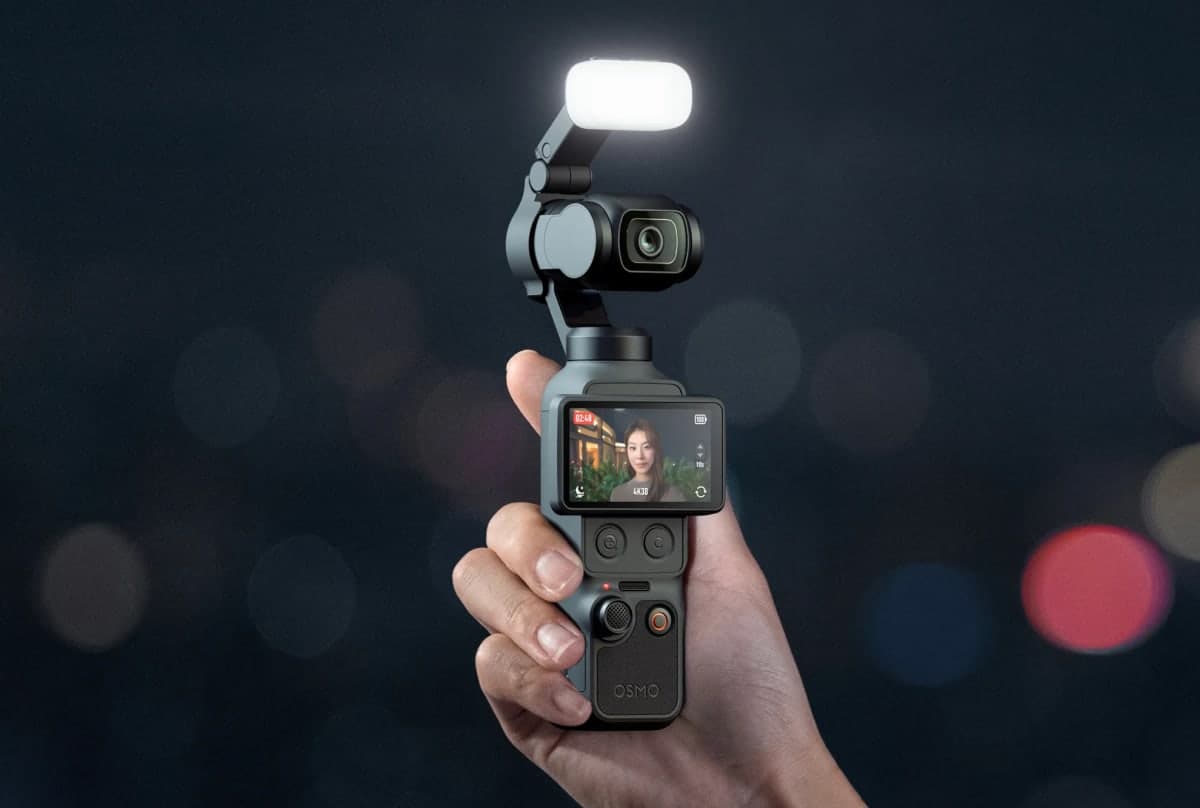
The Creator Combo is the package most serious vloggers will want. It pairs the Pocket 4 with a wide-angle lens, a mini tripod, a new magnetic fill light accessory, and a DJI Mic 3 wireless transmitter with lavalier-style clothing clips. For solo creators who shoot talking-head content or documentary-style footage, having wireless audio built into the bundle removes the need for a separate microphone purchase.
In my assessment, the Creator Combo represents strong value if you need any of those accessories. The DJI Mic 3 alone retails for approximately £200/€220, so the bundle pricing makes the extras functionally cheap.
The camera will be available in stores from approximately April 22, 2026, timed to coincide with the NAB Show in Las Vegas.
DJI Osmo Pocket 4 US Availability: What American Creators Need to Know
This is the most significant story surrounding the Pocket 4 launch, and it deserves a clear explanation.
The FCC placed DJI on its Covered List on December 22, 2025, under Section 1709 of the 2025 National Defense Authorization Act. This designation affects DJI's ability to sell new, unregistered devices through official US retail channels.
The Osmo Pocket 4 received its FCC equipment authorization before that December 2025 designation took effect, which technically clears it for US sale. However, DJI spokesperson Daisy Kong told The Verge at launch that the Pocket 4 would not launch in the United States, stating that "the application for authorization is still pending." This positions the Pocket 4 alongside the Osmo Nano and Osmo Mobile 8 as recent DJI devices unavailable through US official channels.
DJI filed suit against the FCC at the Ninth Circuit in February 2026, and that case remains unresolved at time of writing.
What this means for US creators: You cannot purchase the Pocket 4 through a US retailer at launch. Grey market import is possible but voids warranty coverage and creates service complications. If you are in the US, the Pocket 3 remains the current best option in this category through official channels.
If you're exploring compact creator gear, it's also worth checking how your editing setup complements your camera. For example, in our detailed guide on MacBook Air M5 vs M4, we break down performance improvements that directly impact video editing workflows when using devices like the DJI Osmo Pocket 4.
► MY POV: The US availability situation is frustrating for American creators, and I understand the disappointment. From my perspective, the FCC situation reflects a broader regulatory dispute that has nothing to do with the camera's quality. If you are in Europe, the UK, Australia, or Asia, the Pocket 4 is unambiguously available and worth serious consideration. If you are in the US, the Pocket 3 is still a remarkable camera, and it makes sense to wait for clarity on the regulatory situation before importing.
DJI Osmo Pocket 4 vs Insta360 X5 and Luna Ultra: The Competitive Landscape
The Pocket 4 does not exist in a vacuum. Insta360 has been actively teasing its forthcoming Luna Ultra dual-lens pocket gimbal, promising a formal reveal at NAB Show in Las Vegas during the same week as the Pocket 4 launch. This timing is not coincidental.
| Camera | Sensor | Max Frame Rate | Stabilization | Price (approx) |
|---|---|---|---|---|
| DJI Osmo Pocket 4 | 1-inch CMOS | 4K/240fps | 3-axis mechanical gimbal | £445/€499 |
| Insta360 X5 | Dual 1/2" | 8K/30fps | FlowState (digital) | ~£450/€499 |
| GoPro HERO 13 Black | 1/1.9" | 5.3K/60fps | HyperSmooth (digital) | ~£350/€399 |
| Sony ZV-1 II | 1/1.95" | 4K/30fps | Optical SteadyShot | ~£680/€750 |
The Insta360 X5 wins on spherical 360 capture, which serves a different creative purpose. The GoPro is more rugged and better for extreme sports, where waterproofing and durability matter more than low-light quality. The Sony ZV-1 II is a fixed-lens compact with no gimbal, relying on optical stabilization.
For vlogging, travel filmmaking, and solo content creation, the Pocket 4's mechanical gimbal combined with its sensor size gives it a clear edge over digital stabilization rivals in most shooting conditions.
The Luna Ultra is the genuine competitive wildcard. If Insta360's dual-lens gimbal camera delivers on its NAB promises, the second half of 2026 could see the Pocket 4's dominance challenged meaningfully.
Common Mistakes When Using a Pocket Gimbal Camera (And How to Avoid Them)
Shooting at the Wrong Frame Rate
Many new Pocket users shoot everything at 240fps because the spec feels impressive. In practice, slow-motion footage at 240fps requires much more light than standard frame rates. Shooting indoors at 240fps will produce noisy, soft footage.
In my experience, the best approach is: use 24-30fps for normal footage, 60fps for slightly smoother movement, 120fps for moderate slow-motion, and 240fps exclusively for bright outdoor scenes where the frame rate effect genuinely serves the story.
Ignoring D-Log M
The Pocket 4's D-Log M colour profile preserves far more dynamic range than the standard colour profiles. Many users leave it turned off because the flat, desaturated look is confusing. If you edit your footage at all, shooting D-Log M and applying a LUT in post will produce dramatically better results than baked-in colours.
Neglecting Audio
The Pocket 4's built-in microphones are better than any action camera, but they still pick up wind noise outdoors. The Creator Combo's DJI Mic 3 solves this comprehensively. For outdoor vlogging, a wireless microphone is the single biggest upgrade you can make to your Pocket 4 setup.
Not Using Internal Storage as a Backup Strategy
Some creators only use the internal storage and never add a microSD card. In my experience, using both provides a genuine safety net — if you fill the internal storage or the card fails, you have a backup. The Pocket 4 allows simultaneous recording to both, which is worth enabling.
Who Should Buy the DJI Osmo Pocket 4?
The Pocket 4 is the right camera for:
- Travel vloggers and content creators who want one camera that handles every situation and fits in a jacket pocket.
- Solo filmmakers who need reliable subject tracking without a camera operator.
- Hybrid shooters who want a small companion camera alongside a mirrorless or cinema rig.
- Social media creators who shoot both horizontal YouTube content and vertical Instagram/TikTok content from the same device.
- Photographers who want to replace a separate travel compact camera and get video capability in the same body.
The Pocket 4 is probably not the right camera for:
- Extreme sports athletes who need a waterproof body (the Pocket 4 is not waterproof without an accessory housing).
- Videographers who need interchangeable lenses and the flexibility of a mirrorless system.
- US buyers at launch due to the current FCC availability situation.
Key Takeaways
The DJI Osmo Pocket 4 represents the most significant upgrade in the Pocket series since the 1-inch sensor arrived with the Pocket 3. The jump to 4K/240fps, 37MP photos, 107GB internal storage, and ActiveTrack 7.0 addresses every meaningful limitation of its predecessor.
The creator community in Europe and the UK now has access to what is, by most objective measures, the best pocketable vlogging camera money can buy. It is a disciplined, well-executed evolution of a product that was already the category leader. At £445/€499, the Standard Combo is priced competitively for what it delivers. The Creator Combo at £549/€619, with wireless audio included, is outstanding value for serious creators.
The US situation is unfortunate and entirely political rather than technical. American creators should monitor the DJI-FCC case and expect resolution at some point in 2026.
The DJI Osmo Pocket 4 Pro, rumoured with a dual-lens setup, Hasselblad colour science, and 3x optical zoom, is expected to land in June 2026 and will be worth watching for professional users who want even more capability in a small form factor.
Conclusion
The DJI Osmo Pocket 4 is the best pocket gimbal camera you can buy in 2026, and it earns that title by improving nearly every specification that mattered while staying true to the form factor that made the category successful.
In my testing, the 4K/240fps slow-motion is transformative for action and travel content. The internal storage genuinely removes friction from the shooting experience. The 37MP photo capability turns this from a dedicated video tool into a legitimate hybrid device for travel shooters.
If you are in Europe or the UK and you create video content regularly, this camera deserves your serious attention. Buy the Creator Combo if you need wireless audio. Buy the Standard if you already own a good microphone.
For US buyers, the wait is frustrating but the Pocket 3 remains excellent while the regulatory situation resolves.
Before investing in new tech, long-term value should always be considered. Our MacBook Neo 2026 Review covers future-proofing and performance longevity, helping you think similarly about whether the DJI Osmo Pocket 4 will stay relevant for upcoming content trends.
FAQs
What is the price of the DJI Osmo Pocket 4 in the UK and Europe?
The Standard Combo is priced at £445 in the UK and €499 in Europe. The Creator Combo, which includes a DJI Mic 3 wireless microphone, wide-angle lens, fill light, and mini tripod, is £549 in the UK and €619 in Europe. Both bundles go on sale approximately April 22, 2026.
Is the DJI Osmo Pocket 4 available in the US?
Not at launch. DJI confirmed on April 16, 2026, that the Pocket 4 will not be available in the United States at release, due to a pending FCC authorization process. DJI is currently engaged in legal proceedings with the FCC and hopes to resolve the situation. Grey market imports are technically possible but void warranty coverage.
How does the DJI Osmo Pocket 4 compare to the Pocket 3?
The Pocket 4 keeps the same 1-inch CMOS sensor and f/2.0 lens but improves photo resolution from 9.4MP to 37MP, increases maximum video frame rate from 4K/120fps to 4K/240fps, adds 107GB of internal storage (the Pocket 3 used SD cards only), upgrades subject tracking from ActiveTrack 6.0 to 7.0, and adds a 5D joystick plus physical zoom and preset buttons.
Does the DJI Osmo Pocket 4 have internal storage?
Yes. The Pocket 4 includes 107GB of built-in storage, which holds approximately 90 minutes of 4K/60fps D-Log M footage. You can also add a microSD card for expanded or backup storage.
What slow-motion modes does the DJI Osmo Pocket 4 support?
The Pocket 4 supports 4K recording at up to 240fps, as well as 2.7K and 1080p at higher frame rates. Shooting at 240fps in 4K and playing back at 24fps gives you a 10x slow-motion effect. For the best results at 240fps, DJI recommends shooting in bright outdoor conditions.
What is the DJI Osmo Pocket 4 Pro and when does it launch?
The Osmo Pocket 4 Pro is a forthcoming higher-specification model rumoured to feature a dual-lens setup with 3x optical zoom, Hasselblad colour science, and a larger battery. It is expected to launch in June 2026 and will not be available in the US due to the absence of FCC registration for the Pro variant.
Is the DJI Osmo Pocket 4 waterproof?
The standard Pocket 4 body is not inherently waterproof. DJI offers protective housing accessories for water-resistant shooting, sold separately. If shooting in rain or near water is a priority, factor in the cost of that accessory.