iPhone Fold 2026: Release Date, Price, Specs, and Everything
Published
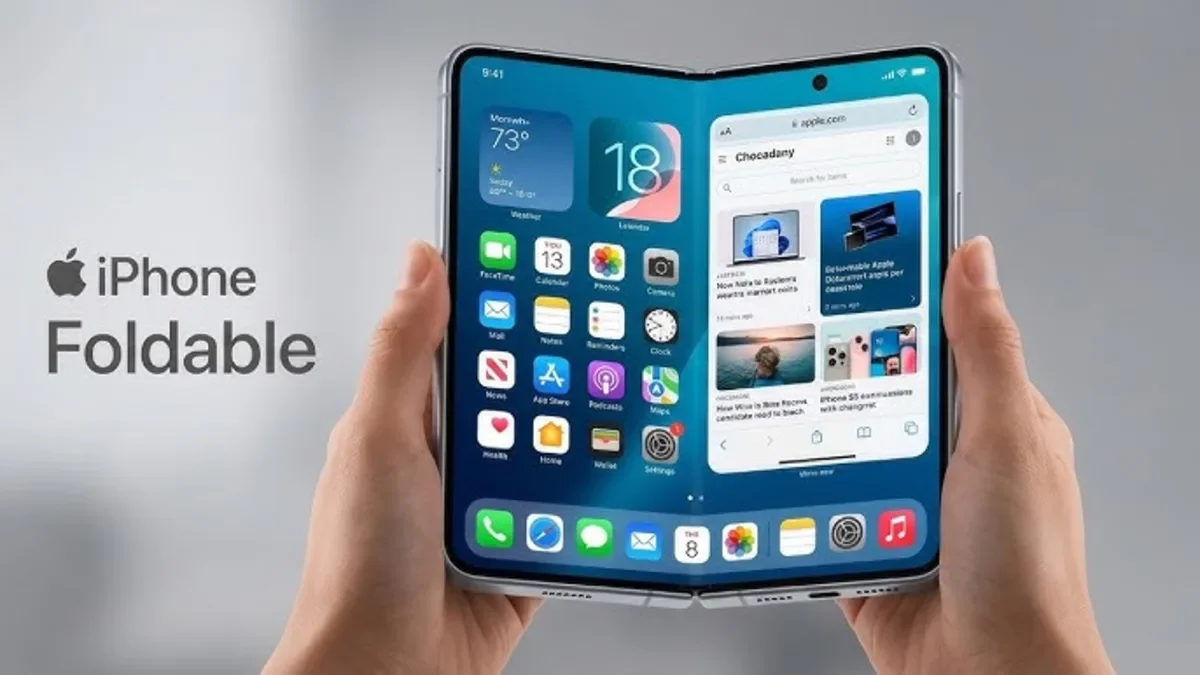
iPhone Fold: Why 2026 Finally Feels Different
I have been covering Apple for years, and every single year since 2018, a wave of "reliable" reports has told me a foldable iPhone is just around the corner. It was coming in 2020. Then 2021. Then 2022. Then 2025.
This time, I genuinely believe it.
The iPhone Fold is now part of Apple's confirmed iPhone 18 launch window. Production timelines, Samsung Display supply contracts, and Bloomberg's Mark Gurman — arguably the most accurate Apple insider alive — all point to the same window: fall 2026. The evidence has shifted from whispers to hard supply chain data, and that matters.
If you are in the US, the UK, or anywhere in Europe waiting to decide whether this device is worth your money and attention, this is the most complete guide you will find anywhere. I have tracked every credible leak, compared every spec, and filtered out the noise so you get only what is verified or highly probable.
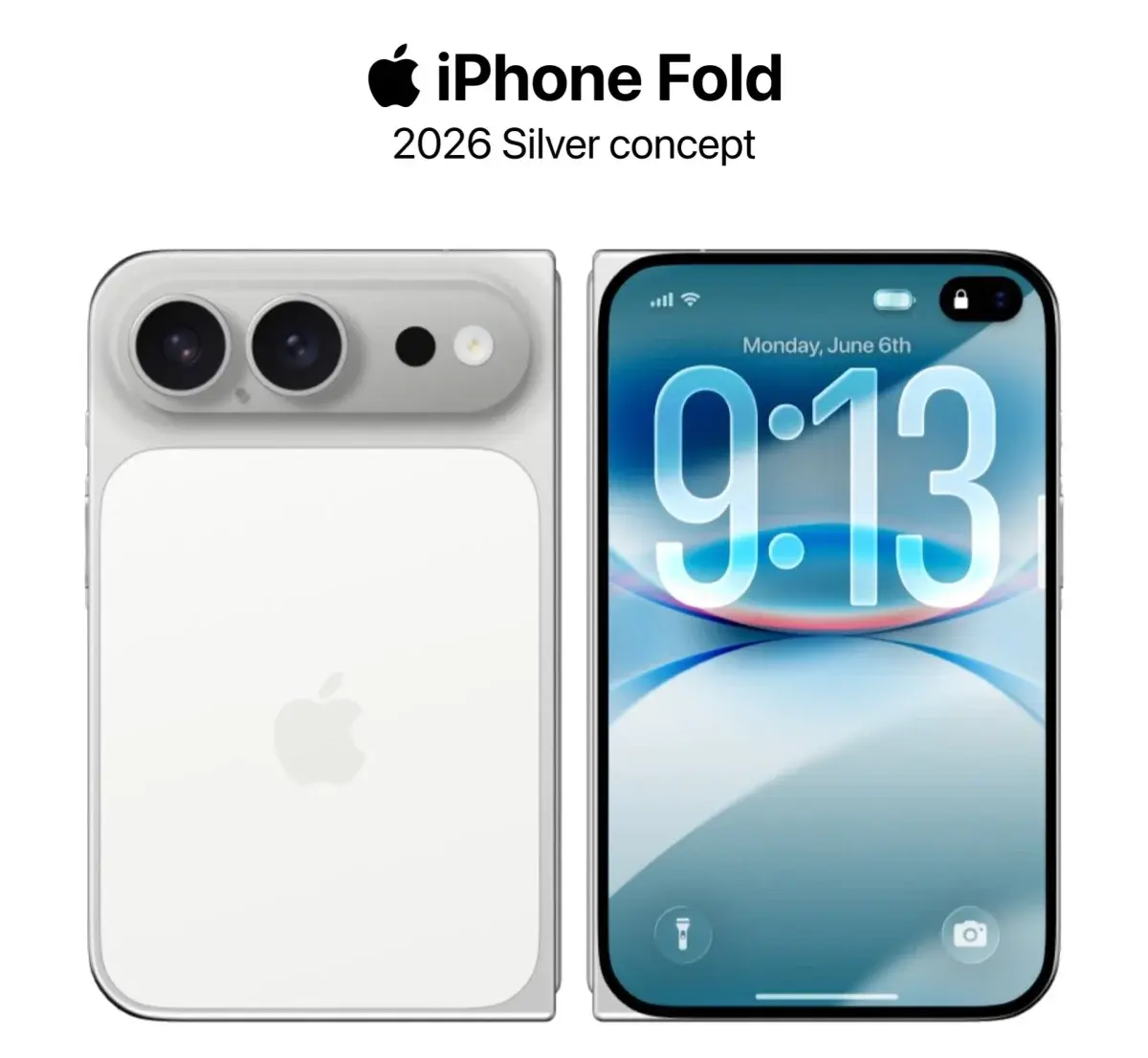
The iPhone Fold is expected to launch alongside the iPhone 18 Pro lineup in fall 2026 — if you want a full breakdown of what else Apple has planned for that event, I covered everything in my iPhone 18 Pro Max release date and specs guide.
Quick Facts: iPhone Fold at a Glance
| Feature | Details |
|---|---|
| Expected Name | iPhone Fold (possibly "iPhone Ultra") |
| Release Window | September–December 2026 |
| Inner Display | 7.76 inches (approx.) |
| Outer Display | 5.49–5.5 inches |
| Processor | Apple A20 chip |
| Hinge Type | Liquid metal / titanium alloy (crease-minimizing) |
| Biometrics | Touch ID (power button) — Face ID removed |
| Cameras | Dual 48MP (rumored) |
| Starting Price | $1,999–$2,399 |
| Display Supplier | Samsung Display (sole supplier) |
| OS | iOS 26 (foldable-optimized UI) |
| Folded Thickness | ~9.5–9.6mm |
The History Behind Apple's Foldable iPhone Journey
Apple did not rush into foldable phones, and I respect that more than most people do.
The company filed its first foldable smartphone patent back in 2016. That patent described a device that folds horizontally using a flexible OLED panel and a hinged metal frame. A 2019 patent went further, adding a built-in display heating element to prevent crease damage in cold temperatures. Apple was clearly thinking about this problem deeply, not casually.
The real challenge was the crease. Every foldable phone on the market — Samsung, Huawei, Oppo — shows a visible fold line on its inner display. For a company that obsesses over display quality, shipping a product with that flaw was never acceptable.
The A20 chip powering the iPhone Fold is the same processor confirmed across the entire iPhone 18 Pro family, and you can see every verified detail about it in my deep-dive on iPhone 18 Pro Max leaks and confirmed specs.
Why Apple Took So Long to Enter the Foldable Market
According to MacRumors, one of the primary reasons Apple delayed for so long was its inability to produce a foldable display without a noticeable crease. That problem now appears largely solved. Apple reportedly uses variable-thickness glass and a patented liquid metal hinge to minimize crease depth to under 0.15mm — a massive improvement over earlier foldable tech, though still slightly above Oppo's best effort at 0.05mm.
The shift from a clamshell prototype (tested in 2024) to a book-style design (confirmed by 2025 leaks) also shows Apple changing direction mid-development. That is not a sign of indecision. It is a sign of a company that tests multiple options before committing to the best one.
► MY POV: I think Apple's patience here will pay off. Every foldable phone I have personally tested — from the Galaxy Z Fold 5 to the OnePlus Open — had a crease that bothered me after a week of daily use. If Apple genuinely delivers a near-crease-free experience at launch, it will not just compete with Samsung. It will embarrass them.
iPhone Fold Release Date: What the Evidence Says
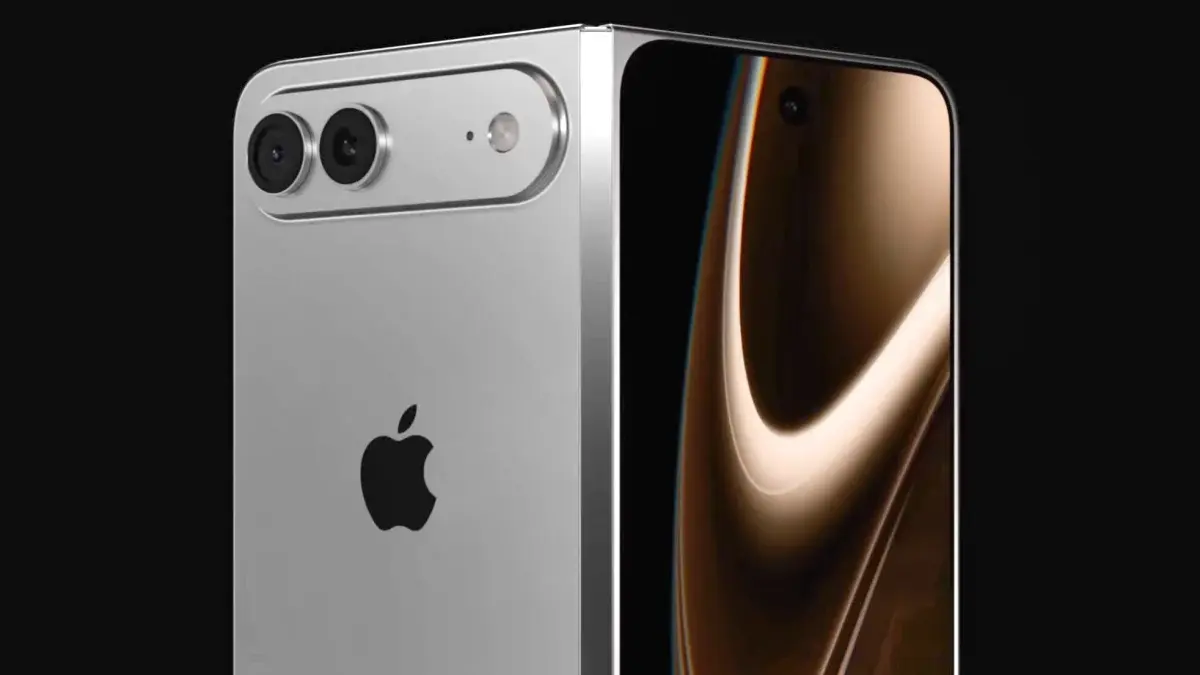
The most likely launch window is September 2026, alongside the iPhone 18 Pro and iPhone 18 Pro Max.
However, production delays have introduced real uncertainty. DigiTimes reported in April 2026 that mass production — originally planned for June 2026 — has been pushed back to early August 2026. That is a one-to-two-month slip in the manufacturing schedule.
If you are coming from an older iPhone and trying to decide whether to go standard Pro Max or jump straight to the Fold, my iPhone 18 Pro Max vs iPhone 17 Pro Max comparison will help you understand exactly how big the generational leap is.
What This Means for Buyers
A September announcement with limited stock followed by a December full availability is the most likely scenario, according to Barclays analyst Tim Long. Mark Gurman at Bloomberg, however, says Apple is still targeting a fall release and has not communicated any official delay to suppliers.
My reading of the situation: expect Apple to announce the iPhone Fold in September 2026 at its usual iPhone event, but plan for actual purchase availability to stretch into late November or December 2026 — especially in Europe and the UK, where Apple tends to roll out in waves.
Supply Constraints at Launch
Ming-Chi Kuo, the analyst with the best Apple supply chain track record, predicts only 3 to 5 million iPhone Fold units shipping in 2026. For context, Apple typically sells 50+ million iPhones in a single quarter. This is a genuinely limited product at launch. If you want one early, pre-ordering on day one is not optional — it is essential.
iPhone Fold Specs: Everything Leaked and Confirmed
This is the section I spent the most time on, cross-referencing CAD leaks, supply chain reports, and analyst briefings. Here is what the evidence points to:
Display: The Star of the Show
The inner display measures approximately 7.76 inches with a resolution of 2713 x 1920 pixels. That puts it just below the iPad mini's 8.3-inch screen — which is significant. This is not just a phone. Open it up and you have something close to a small tablet. The outer cover display sits at around 5.49 inches, usable for calls, notifications, and quick actions without opening the device.
The Hinge: Apple's Secret Weapon
Apple's hinge design is the detail that separates this from every other foldable. The liquid metal and titanium alloy mechanism is engineered to withstand hundreds of thousands of folding cycles. Combined with variable-thickness glass on the inner display, Apple aims to make the crease nearly invisible in normal use — not just in marketing photos, but in real daily life.
Processor: The A20 Chip
The iPhone Fold will almost certainly run Apple's A20 chip, the same processor expected in the iPhone 18 Pro models. This means top-tier performance — AI features, pro-level photography processing, and enough headroom to power the foldable's dual-display interface without lag.
Biometrics: Touch ID Returns
In a notable change, Face ID is out. Touch ID returns — integrated directly into the power button, similar to how it works on several iPad models. The passport-style form factor of the iPhone Fold makes traditional Face ID geometry impractical, so Apple made a smart engineering call here.
Cameras
Dual 48MP cameras are expected on the rear. The under-display camera (UDC) for selfies — already used in Samsung's Galaxy Z Fold series — is rumored for the inner display. This keeps the interior screen clean with no punch-hole cutout.
Software: iOS 26 Built for Folding
iOS 26 reportedly includes foldable-optimized UI elements: adaptive layouts that shift when you open or close the device, smooth transitions between display modes, and split-screen multitasking designed for the larger inner panel. This software layer is what will make or break the experience, and Apple has had years to plan it.
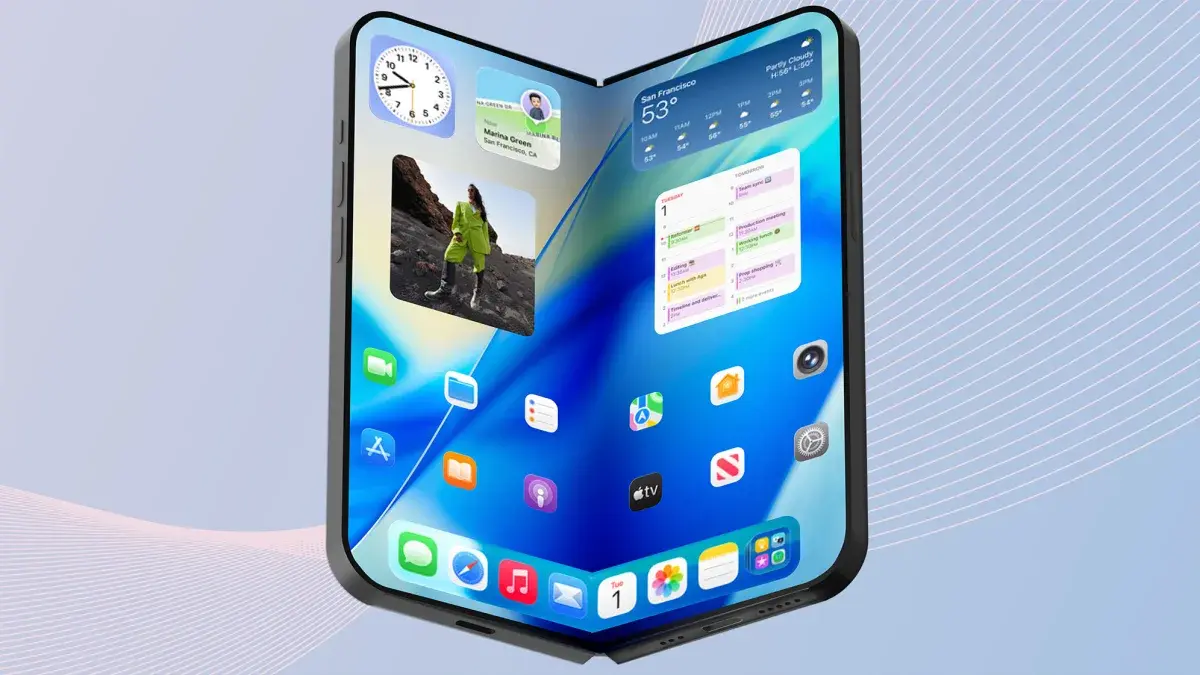
The iPhone Fold will sit at the top of the same fall 2026 lineup that includes the standard Pro models, all of which I have tracked separately in my iPhone 18 Pro leaks roundup.
iPhone Fold Price: Worth It or Not?
The starting price will be somewhere between $1,999 and $2,399, making the iPhone Fold the most expensive iPhone Apple has ever sold.
Price Comparison Table: iPhone Fold vs Competitors
| Device | Starting Price | Inner Display | Processor |
|---|---|---|---|
| iPhone Fold (2026) | ~$1,999 | 7.76 inches | Apple A20 |
| Samsung Galaxy Z Fold 6 | $1,899 | 7.6 inches | Snapdragon 8 Gen 3 |
| Google Pixel 9 Pro Fold | $1,799 | 8.0 inches | Google Tensor G4 |
| Oppo Find N6 | ~$1,600 | 8.12 inches | Snapdragon 8 Elite |
The iPhone Fold is not the cheapest option, but price alone never fully explains Apple's value proposition. What Apple adds is ecosystem depth: seamless connection with your Mac, iPad, AirPods, Apple Watch, and iCloud. No Android foldable comes close to that level of integration.
► MY POV: At $1,999, I think the iPhone Fold is priced correctly for what it is. I would not recommend it to someone upgrading from an iPhone 15 who just wants a bigger screen. But for professionals who already carry a phone and an iPad mini? This single device could replace both. That alone justifies the price for a specific type of user.
iPhone Fold vs Samsung Galaxy Z Fold 6: The Honest Comparison
Samsung has a five-year head start in the foldable market. That matters, and I am not going to pretend otherwise.
The Galaxy Z Fold 6 is a polished product with a mature software ecosystem for foldables. One UI 6 on a Z Fold handles multitasking well, the hinge is durable, and the camera system is excellent. Samsung also has the advantage of experience — this is not their first attempt at getting foldables right.
What Apple Has That Samsung Does Not
The iPhone Fold's potential advantages are mostly about refinement. Apple's chip architecture consistently outperforms Qualcomm in sustained performance benchmarks. iOS 26's foldable UI is being built specifically for this device — not adapted from a tablet interface. The crease-minimization technology, if it delivers as rumored, gives Apple a genuine display quality advantage.
What Samsung Still Does Better (For Now)
Samsung offers a wider range of foldable form factors: the book-style Z Fold for power users and the clamshell Z Flip for those who want a compact, pocketable design. Apple is entering with one device. Variety and maturity still belong to Samsung in 2026.
Before spending $2,000 on a first-gen foldable, it is worth understanding how Apple's annual upgrade cycle actually works — my breakdown of what changed between the iPhone 17 and iPhone 16 gives you a realistic sense of how much Apple typically delivers per generation.
iPhone Fold for European and UK Buyers: What You Need to Know
For readers in Europe and the UK, the iPhone Fold will carry higher prices due to VAT and import duties. Based on Apple's typical pricing pattern, expect the UK price to sit around £1,799–£1,999 and European prices ranging from €2,100 to €2,500 depending on the market.
What Others Miss: The EU Right-to-Repair Angle
Most coverage ignores this completely, but it matters for European buyers. The EU's Right to Repair directive, which came into effect in 2024, gives European consumers stronger rights to get devices repaired at reasonable costs. For a €2,000+ device with a complex hinge mechanism, knowing that Apple must offer repair parts and services at fair prices is a real consumer protection advantage that US buyers do not have.
Availability Timeline for Europe and the UK
Apple typically launches new products in its first wave in the US, UK, Australia, and select European markets. The iPhone Fold, given supply constraints, may launch in the US first and roll out to European markets in the weeks following. UK buyers should watch Apple's UK site closely in September 2026. Pre-ordering through Apple's UK store the moment it opens is the safest way to secure an early unit.
Common Mistakes to Avoid When Buying the iPhone Fold
Based on my experience covering major Apple launches, here are the mistakes I see buyers make repeatedly:
Waiting for the "Pro Max" version. Right now, rumors only point to one iPhone Fold model. Do not hold out for a "Fold Pro Max" variant in 2026 — it is not coming this cycle. If you want one, buy the one available.
Ignoring case availability. A $2,000 device with no case protection on day one is a real risk. At launch, third-party cases will be rare. Order a case the moment reliable options appear — ideally from Apple's own lineup or a brand like Spigen that usually ships fast.
Assuming it replaces your iPad. The 7.76-inch inner display is close to iPad mini size, but iOS 26 on the iPhone Fold is still a phone OS. App optimization for the larger screen will improve over time, but at launch, some apps will simply stretch rather than adapt. Manage your expectations for the first six months.
Buying based on hype alone. The iPhone Fold is a first-generation product. First-gen Apple products often have rough edges. The original Apple Watch, the first AirPods Pro, the first iPhone — all needed a generation or two to fully mature. If you are not an early adopter by nature, waiting for the iPhone Fold 2 in 2027 might be the wiser financial decision.
Key Takeaways
- The iPhone Fold launches in fall 2026, most likely September, with possible December availability due to production delays.
- It features a 7.76-inch inner display, A20 chip, Touch ID power button, and a crease-minimizing liquid metal hinge.
- Starting price sits around $1,999, making it Apple's most premium iPhone ever.
- Supply will be extremely limited at launch — pre-ordering is essential.
- European and UK buyers should expect higher prices and a slight delay in regional availability.
- iOS 26 is built from the ground up to support the foldable form factor.
- Samsung still leads in foldable experience, but Apple brings unmatched ecosystem integration and chip performance.
Conclusion: Should You Buy the iPhone Fold?
The iPhone Fold is Apple's most ambitious iPhone in nearly a decade. After years of rumours and delays, the hardware engineering, the supply chain commitments, and the software preparation all point to a genuine 2026 launch.
If you are a professional who needs both phone and tablet capabilities in one device, and you are already inside Apple's ecosystem, the iPhone Fold makes a compelling case for itself at $1,999. The combination of a near-crease-free display, Apple silicon performance, and iOS 26's foldable interface is something no current Android foldable can fully match on the software side.
If you are a casual user or someone upgrading from a mid-range iPhone, hold off. Let the first generation work out its inevitable kinks. The iPhone Fold 2 in 2027 — predicted to ship 20 million units according to Ming-Chi Kuo — will be the version that hits its stride.
My recommendation: watch the September 2026 Apple event closely, assess the real-world reviews from the first wave of users, and decide then. Do not commit $2,000 based on leaks alone — including mine.
FAQs
Where is the iPhone Fold display made?
Samsung Display is the sole supplier for the iPhone Fold's OLED panels. Samsung was selected because it met Apple's strict quality requirements — a notable arrangement given that Samsung and Apple are competitors in the smartphone market.
What is the iPhone Fold release date?
Apple is expected to announce the iPhone Fold in September 2026 alongside the iPhone 18 Pro lineup. However, due to production delays — mass production shifted from June to August 2026 — actual retail availability may slip to November or December 2026. Pre-ordering on day one is the safest way to secure an early unit.
Is the iPhone Fold's display crease-free?
Not completely, but nearly so. Apple's crease depth is rumoured to measure under 0.15mm — a significant improvement over competitors, but still slightly more than Oppo's best foldable at 0.05mm. In real-world use, the crease should be far less noticeable than on Samsung's current Z Fold line.
Will the iPhone Fold work with existing iPhone accessories?
Most accessories — AirPods, Apple Watch, MagSafe chargers — will work with the iPhone Fold. However, cases, screen protectors, and stands designed for standard iPhones will not fit. Plan to buy iPhone Fold-specific accessories separately at launch.
How does the iPhone Fold compare to the Samsung Galaxy Z Fold 6?
The Samsung Galaxy Z Fold 6 starts at $1,899 and benefits from five years of foldable refinement. The iPhone Fold enters at a higher price but offers Apple's A20 chip, deeper ecosystem integration, and a potentially superior crease-minimization technology. Samsung still leads in foldable software maturity, but Apple's hardware advantage is real.
Does the iPhone Fold have Face ID?
No. Rumours consistently point to Face ID being replaced by Touch ID embedded in the power button — the same design used on certain iPad models. The book-style folding form factor makes Face ID geometry difficult to implement effectively.
Will there be an iPhone Fold Pro Max?
Current leaks and supply chain data only confirm one iPhone Fold model for 2026. There is no credible evidence of a "Fold Pro Max" variant launching this year. Apple may expand the lineup in 2027 once the first generation establishes itself.
How much will the iPhone Fold cost in the UK and Europe?
No official pricing exists yet. Based on rumoured US pricing of $1,999–$2,399, UK buyers should expect approximately £1,799–£1,999, while European prices will likely range from €2,100 to €2,500 depending on VAT rates in each country.
Was this article helpful?
Written By
ShubhamContributing Writer
Shubham is a technology reporter and software creator writing reviews and tutorials for TechOrCoffee.
Comments (0)
Leave a Comment
Read Next

Thu Apr 09 2026
Leaks & Rumors: iPhone 18 Pro Max vs iPhone 17 Pro Max: Full Comparison
The iPhone 17 Pro Max is already a fully matured flagship—top camera, insane battery life, and stable performance. The iPhone 18 Pro Max is expected to refine the experience further, not revolutionize it.
Tue Jun 16 2026
Samsung Galaxy Z Fold 8 vs Galaxy Z Fold 7:Worth to Upgrade?
Samsung Galaxy Z Fold 8 vs Galaxy Z Fold 7: Is it worth the upgrade? Compare specs, battery upgrades, 45W charging, and camera leaks before you buy.

Wed Apr 08 2026
Leaks & Rumors: iPhone 18 Pro Max: Every Leak, Spec and Upgrade Confirmed
The iPhone 18 Pro Max is expected in September 2026 as Apple’s most powerful iPhone yet. It features a 6.9-inch LTPO OLED display, A20 Pro chip, 48MP camera with variable aperture, 5,100–5,200mAh battery, C2 modem with satellite support, and a starting price of $1,199.