NVIDIA DLSS 5: AI Graphics Revolution Explained
Published
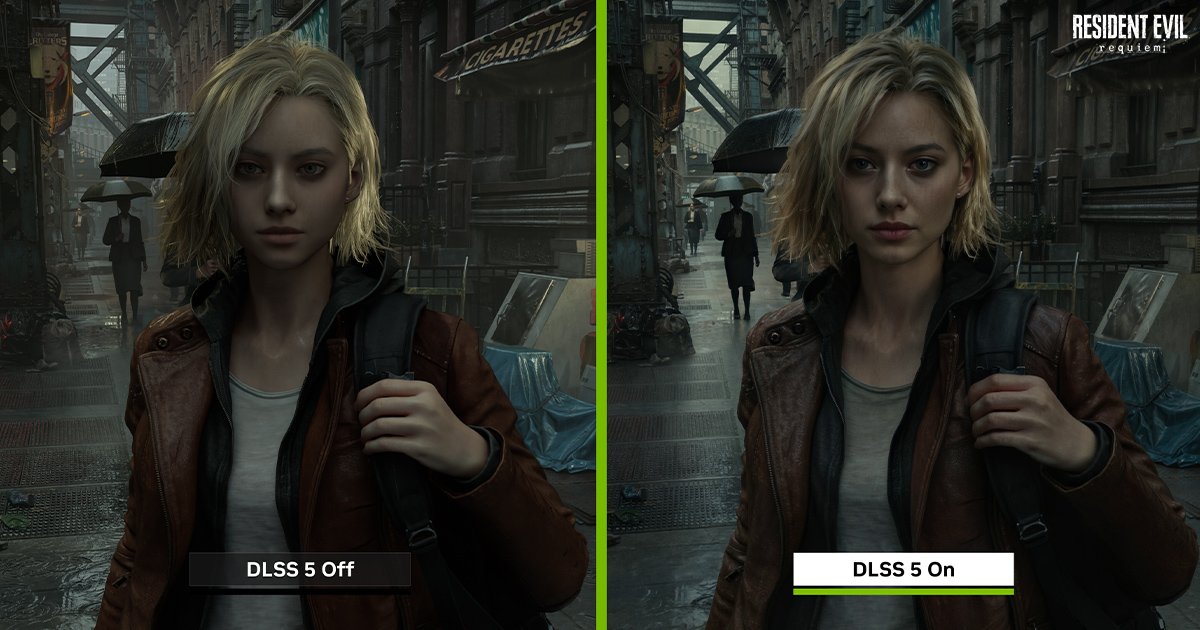
NVIDIA DLSS 5: The Future of AI-Powered Gaming Graphics
NVIDIA has once again redefined gaming technology with DLSS 5, a breakthrough in AI-powered rendering that goes far beyond traditional upscaling. Unlike earlier versions, DLSS 5 introduces real-time neural rendering, transforming how graphics are generated and experienced. This innovation represents one of the biggest leaps in gaming visuals since ray tracing, pushing realism closer to cinematic quality.
What is NVIDIA DLSS 5?
DLSS 5 is a next-generation neural rendering technology that uses artificial intelligence to enhance game visuals in real time. Instead of just improving resolution or frame rates, it actively modifies lighting, textures, and materials within each frame to create photorealistic results. This marks a shift from performance optimization to visual transformation. :contentReference[oaicite:0]{index=0}

At its core, DLSS has always been about using AI to render fewer pixels and reconstruct higher-quality images. However, DLSS 5 takes this concept further by analyzing scene data and applying intelligent enhancements that were previously only possible in offline rendering environments.
Evolution of DLSS Technology
To understand DLSS 5, it’s important to look at how far NVIDIA has come. Early versions of DLSS focused on upscaling lower-resolution images to improve performance without sacrificing quality. Over time, NVIDIA introduced features like Frame Generation and transformer-based AI models to improve stability and realism. :contentReference[oaicite:1]{index=1}
DLSS 4 and 4.5 improved performance dramatically with Multi Frame Generation and better AI models. These versions were designed to deliver higher frame rates and smoother gameplay, especially on RTX GPUs. DLSS 5, however, shifts the focus from performance to realism, introducing neural rendering as a core feature.
Neural Rendering: The Game Changer
The biggest innovation in DLSS 5 is neural rendering. This technology uses AI to interpret and enhance scenes dynamically, improving lighting, reflections, and materials in real time. It can take a single rendered frame and transform it into a more realistic version with advanced visual details. :contentReference[oaicite:2]{index=2}

This means games can achieve near-photorealistic visuals without requiring massive computational power. Effects that once took minutes or hours to render in film production can now be processed instantly during gameplay, creating a truly immersive experience. :contentReference[oaicite:3]{index=3}
Key Features of DLSS 5
DLSS 5 introduces several groundbreaking features that redefine gaming visuals. One of the most notable is real-time enhancement of lighting and materials, making environments look more lifelike. Characters, surfaces, and objects react more naturally to light, improving overall realism.
Another major feature is developer control. NVIDIA allows game creators to adjust intensity, color grading, and where AI enhancements are applied. This ensures that artistic direction is preserved while still benefiting from AI improvements. :contentReference[oaicite:4]{index=4}

Additionally, DLSS 5 supports up to 4K resolution in real time, maintaining high performance while delivering enhanced visuals. This balance between quality and efficiency makes it ideal for next-generation gaming experiences.
Performance vs Visual Fidelity
Traditionally, DLSS has been known for boosting frame rates while maintaining image quality. With DLSS 5, the focus shifts toward visual fidelity. Instead of just rendering faster, the technology enhances what is already rendered, creating richer and more detailed scenes.
This doesn’t mean performance is ignored. DLSS 5 still leverages AI to optimize rendering pipelines, ensuring smooth gameplay. However, the primary goal is to elevate the visual experience, making games look closer to real life than ever before.
Supported Games and Availability
DLSS 5 is expected to launch with support for major AAA titles, including popular franchises and upcoming releases. Games like Starfield, Hogwarts Legacy, and Assassin’s Creed Shadows are among those expected to integrate this technology. :contentReference[oaicite:5]{index=5}
The technology is set to roll out in 2026, with initial adoption focused on high-end gaming systems. As with previous DLSS versions, compatibility will likely depend on RTX GPUs with advanced AI capabilities.
Controversy and Criticism
Despite its impressive capabilities, DLSS 5 has sparked debate within the gaming community. Some critics argue that AI-driven enhancements may alter a game’s original artistic vision, leading to visuals that feel overly processed or unnatural. :contentReference[oaicite:6]{index=6}
Others compare it to AI filters, suggesting that it may change character appearances or textures in unintended ways. However, NVIDIA emphasizes that developers have full control over how the technology is applied, allowing them to maintain creative intent. :contentReference[oaicite:7]{index=7}
The Future of Gaming with DLSS 5
DLSS 5 represents a fundamental shift in how games are rendered. Instead of relying solely on traditional graphics pipelines, developers can now integrate AI directly into the rendering process. This opens the door to new possibilities in game design, realism, and performance.
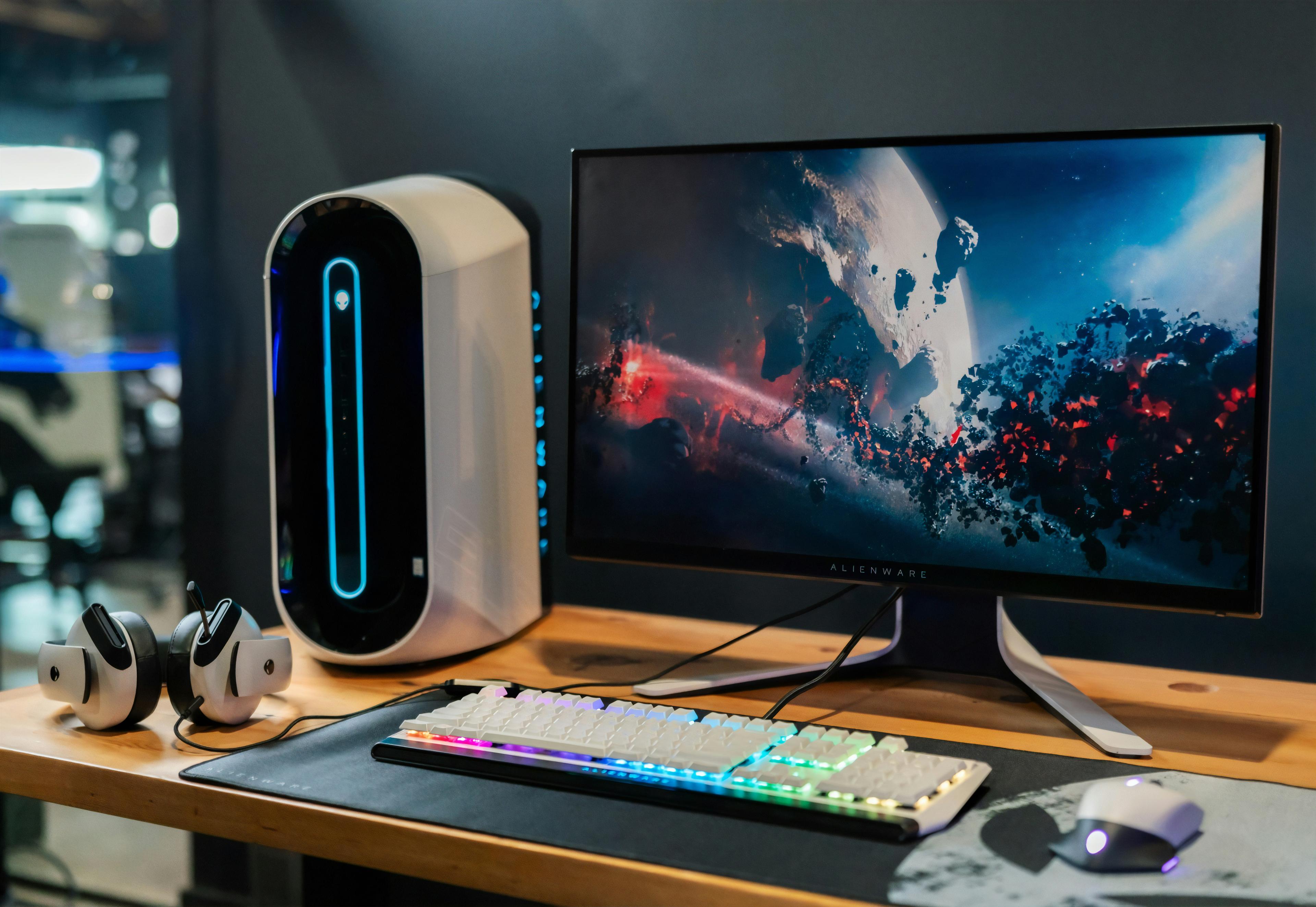
As AI continues to evolve, technologies like DLSS 5 could become the standard for gaming graphics. It blurs the line between real-time rendering and cinematic production, making games more immersive and visually stunning than ever before.
Final Thoughts
NVIDIA DLSS 5 is more than just an upgrade—it’s a revolution in gaming graphics. By combining AI, neural rendering, and real-time processing, it sets a new benchmark for visual fidelity. While there are concerns about artistic control, the potential benefits far outweigh the drawbacks.
As the gaming industry moves forward, DLSS 5 could redefine what players expect from visual experiences. Whether you're a gamer, developer, or tech enthusiast, this is a technology worth watching closely.
Our Verdict
FAQs
What is NVIDIA DLSS 5?
DLSS 5 is an AI-powered neural rendering technology that enhances game visuals in real time by improving lighting, materials, and textures beyond traditional upscaling.
How is DLSS 5 different from DLSS 4?
DLSS 4 focused on performance and frame generation, while DLSS 5 introduces neural rendering to enhance visual realism significantly.
Does DLSS 5 improve FPS?
Yes, but its main focus is visual quality. It still uses AI optimization to maintain smooth gameplay performance.
What GPUs support DLSS 5?
DLSS 5 will likely require next-gen RTX GPUs with advanced AI capabilities for optimal performance.
Which games will support DLSS 5?
Games like Starfield, Hogwarts Legacy, and Assassin’s Creed Shadows are expected to support DLSS 5.
Is DLSS 5 better than ray tracing?
DLSS 5 complements ray tracing by enhancing lighting and realism, but it is not a direct replacement.
Was this article helpful?
Written By
ShubhamContributing Writer
Shubham is a technology reporter and software creator writing reviews and tutorials for TechOrCoffee.
Comments (0)
Leave a Comment
Read Next

Thu Mar 12 2026
Leaks & Rumors: MacBook Air M4 vs MacBook Neo: Full Comparison
MacBook Air M4 and MacBook Neo target different users in Apple’s lineup. Neo focuses on affordability and everyday tasks, while Air M4 delivers stronger performance, better graphics, and higher memory options for demanding workloads like coding, editing, and multitasking.

Tue Mar 03 2026
MacBook Air M5: Apple's Game-Changing 2026 Launch Review
Apple unveils the MacBook Air M5 with revolutionary 3nm chip technology, enhanced AI capabilities, improved battery life, and stunning display upgrades. This comprehensive analysis covers specifications, performance benchmarks, pricing, and this new release justifies upgrading from previous models.

Thu Mar 12 2026
Leaks & Rumors: MacBook Neo vs MacBook Air M1: Full Performance Comparison
MacBook Neo powered by the A18 Pro chip introduces a new direction for Apple laptops, competing directly with the classic MacBook Air M1. This detailed comparison explores performance benchmarks, display quality, and battery life to help buyers decide which Apple laptop delivers the best value.