Xbox Project Helix: A Console That Also Plays PC Games

Published (Updated )
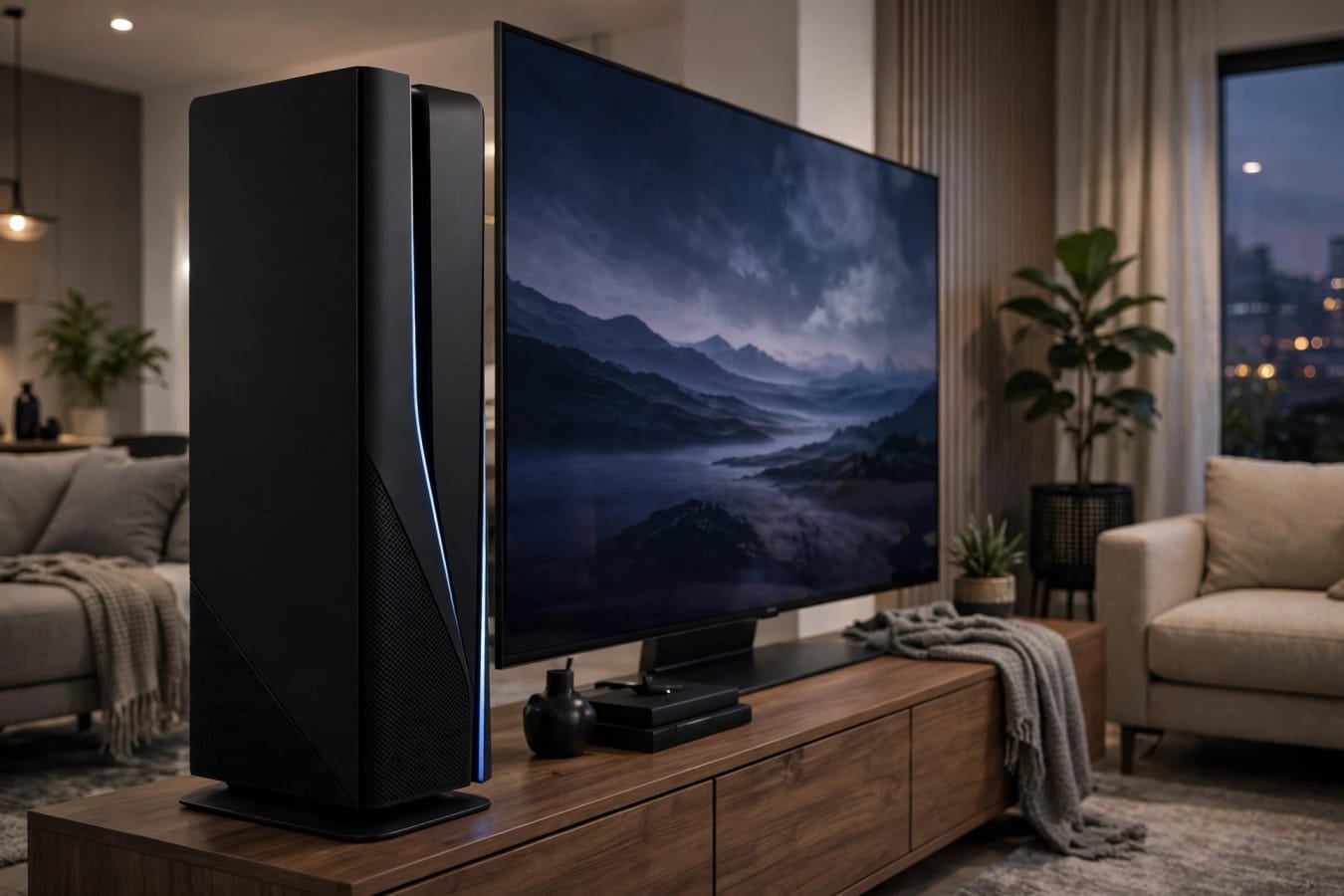
The quick answer
Microsoft has finally explained what its next Xbox is — and what it is not.
- Project Helix is a console first. It is built to behave like a console out of the box, and it also plays games from your PC.
- It is not a PC in a console shell. Xbox's own words make the order clear: console first, PC games second.
- Your whole Xbox library comes with you. Four generations of Xbox games and your progress carry over instantly.
- Neural rendering is the big technical bet. AI generates and enhances graphics in real time, instead of relying on ever more raw power.
- No release date and no price yet. Microsoft's only official timing is alpha hardware reaching developers in 2027.
- Reports of a 2028 launch are unconfirmed. Treat them as rumours for now.
The details come from a new interview in Xbox's 25th anniversary magazine, published digitally on November 15, 2026. Xbox VP of Next Generation Jason Ronald spoke to the magazine about how Helix will work, what it will play, and why Microsoft is betting on AI graphics.
Here is everything we know so far — and what is still unconfirmed.
A console first, not a PC in disguise
The clearest line in the whole interview is the one that defines Helix.
- Helix is designed to be a console that is also capable of playing games from your PC.
- It is not a PC that can also play console games.
- That order matters, because it settles months of speculation about what Microsoft is building.
Since Xbox CEO Asha Sharma first revealed the Helix codename on March 5, 2026, fans have asked the same question: is this a console, or a gaming PC with an Xbox badge?
- Sharma said Helix would "play your Xbox and PC games".
- Ronald, speaking at GDC on March 11, said it plays "your Xbox console and PC games".
- The new interview finally puts the emphasis where Microsoft wants it: console first.
What does console-first mean in practice? Ronald's description is simple.
- Helix starts up and behaves like a console.
- Games are instantly available, easy to find, and intuitive to launch.
- There are no operating system worries, no driver updates, and no manual setup standing between you and a game.
- Power users are not locked out, though. Deeper settings and performance options will still be there for people who want them.
That balance is the whole pitch: the simplicity of a console for everyone, with the flexibility of a PC underneath for those who ask for it.
Your four generations of Xbox games come with you
Backward compatibility is not an afterthought on Helix. It is part of the design.
- Players bring their library and progression from four generations of Xbox.
- That covers the original Xbox, Xbox 360, Xbox One, and Xbox Series X|S.
- Those games are available instantly on the new hardware.
- Your saves and progress carry over too.
Ronald framed it as removing arbitrary constraints between console and PC games. The library you have built over 25 years of Xbox should not be fenced off by hardware generations.
Xbox also plans to continue the backward compatibility programme it introduced in 2015 into the next generation.
- Compatibility is shaping the current design of Helix, not being bolted on later.
- The goal is preservation: games made now should still be playable 20 to 30 years from now.
- Modding and community tools have also been promised for the new platform.
For long-time Xbox players, this is arguably the most important detail in the interview. A new console that strands your existing library would be a hard sell. Helix is being built to do the opposite.
One library, every screen
Helix is not just one box under one TV. Microsoft is designing it as part of a wider ecosystem where your games follow you.
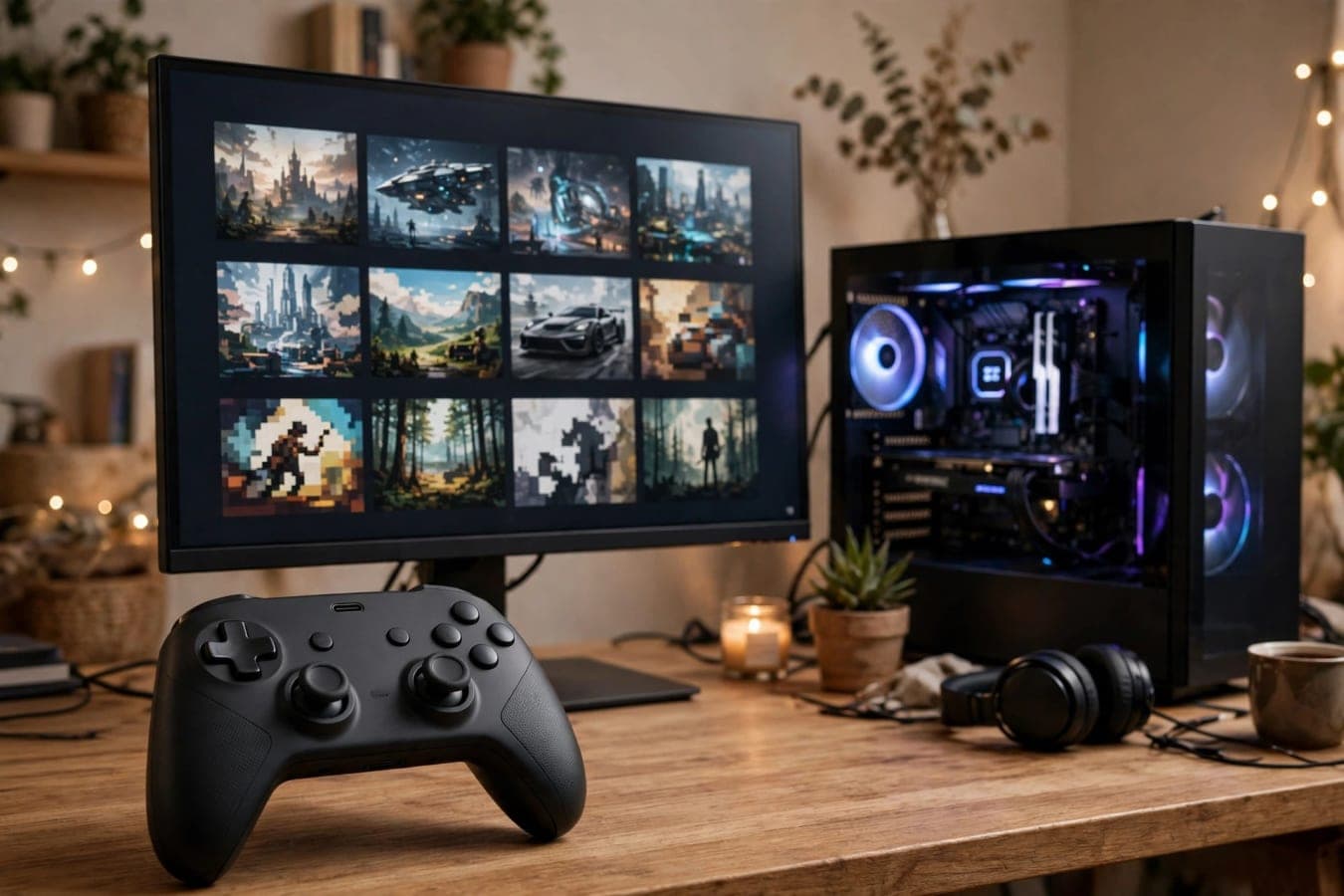
- The interface is its own design, recognisably Xbox.
- It adapts to where you are playing.
- On a living-room TV, it stays simple and controller-friendly.
- On a streamed handheld screen, it reshapes itself for the smaller display.
- On a PC, it shows greater information density and supports mouse-and-keyboard input.
Ronald gave a concrete example of how this should feel in everyday play.
- Imagine an 80-hour role-playing game.
- After 25 hours on one device, you pick up another device.
- You resume immediately, exactly where you left off.
That seamless switching is not new thinking at Xbox. The lessons come from two recent projects.
- The ROG Xbox Ally handheld, which brought the Xbox experience to a portable device.
- Xbox mode for Windows, which unifies the game library across several stores into one place.
Helix builds on both. The idea is one library spanning multiple stores and multiple screens, with the same games and the same progress wherever you play.
Neural rendering: the big technical bet
The most forward-looking part of the interview is about how Helix will produce its graphics.
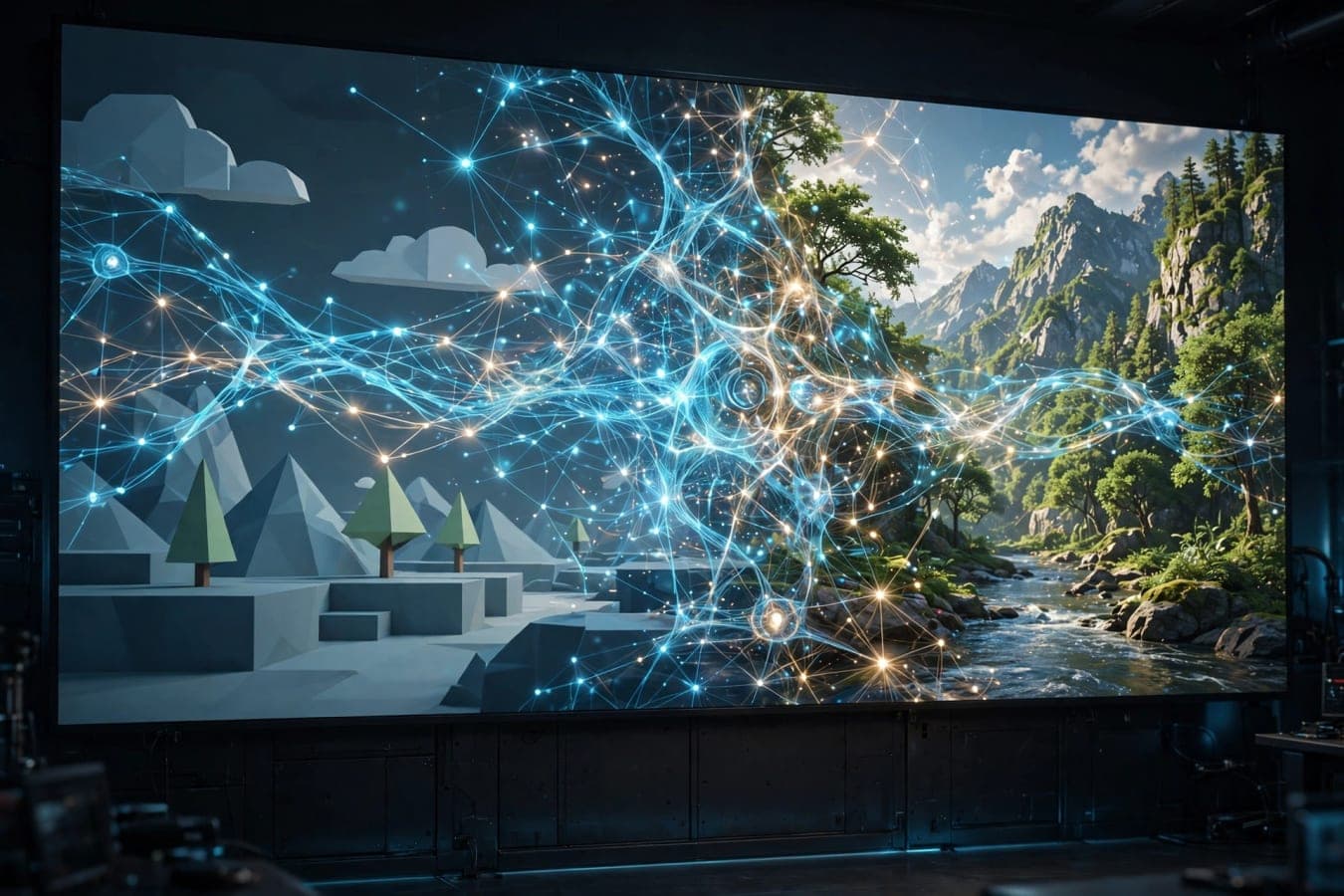
- Neural rendering is a major focus for the next Xbox.
- AI generates, upscales, and enhances graphics in real time.
- It is a new way to generate a frame, without needing more compute horsepower, additional memory, or more power.
Why does that matter? Because the economics of console hardware are getting harder.
- Component costs are rising, and memory prices in particular have climbed.
- Building a console the traditional way — more raw power, more memory — would push the price up.
- Neural rendering offers another route: smarter frames, not just more expensive ones.
Ronald was explicit that this is part of keeping the console affordable. AI does some of the work that used to require bigger, pricier chips.
He also pushed back on the numbers that usually define a console generation.
- He rejected 8K resolution and 240 Hz refresh rates as the defining measures of the next generation.
- The focus, he said, should be on gameplay innovation, immersion, and new kinds of experiences.
- Raw specifications matter less than what developers can do with the hardware.
That is a bold claim, and it sets up the real test for Helix: whether players notice the difference in the games, not on a spec sheet.
Ronald went further, predicting more innovation in the next three to five years than in the last ten. If neural rendering delivers what Microsoft hopes, the way games look and play could change faster than it has in a decade.
The hardware we know about
Microsoft has shared some hardware details already, and the anniversary interview adds context to them.
- Helix runs on a custom AMD chip.
- The chip is co-designed for the next generations of DirectX and AMD FSR upscaling.
- That partnership was confirmed on Xbox Wire.
- The operating system is built on Windows, but tailored specifically to gaming.
The AMD partnership is significant for two reasons.
- First, DirectX is Microsoft's own graphics technology, so the chip and the software are being designed together.
- Second, FSR upscaling is AMD's answer to AI-assisted image quality, and it fits directly with the neural rendering focus.
Together, the chip, the operating system, and the AI graphics pipeline form the technical foundation of Helix. Microsoft is not buying off-the-shelf parts and hoping for the best — it is shaping the silicon around the experience it wants to deliver.
What is still unconfirmed
For all the new detail, several big questions remain open. Here is what Microsoft has not confirmed.
- Steam and the Epic Games Store. Ronald did not name any PC store. "Games from your PC" could mean the Xbox PC app library, or it could mean third-party launchers. Until Microsoft says otherwise, Steam and Epic Games Store support is unconfirmed.
- Release date. There is no launch date for Helix. Reports pointing to a 2028 launch are unconfirmed and should be treated as rumours.
- Price. There is no price, and no price range. Given the focus on affordability in the interview, pricing will be closely watched — but nothing has been announced.
- Full specifications. Beyond the custom AMD chip and the neural rendering focus, detailed hardware specs have not been shared.
Microsoft's only official timing is this: alpha hardware will go to developers beginning in 2027. That tells us the machine is real and in development, but it is still early. Developers need hardware well before launch, so a 2027 developer programme is consistent with a launch further out — without confirming any specific year.
Why this matters for the console wars
Helix arrives at a moment when the old rules of the console market are shifting.
- PlayStation and Nintendo still sell consoles the traditional way: one box, one store, one library.
- Microsoft is betting that players want something more flexible.
- A console that plays PC games removes the need to choose between two libraries.
- A single library across console, handheld, and PC removes the need to rebuy games for each device.
If Helix works as described, it changes the question buyers ask. Instead of "which console has the games I want?", it becomes "which device lets me play everything I already own?"
That is a powerful pitch — but it depends on execution. The interface has to feel like Xbox on every screen. The PC games have to run well without PC-style fuss. And the neural rendering has to produce visibly better games, not just clever marketing.
The interview suggests Microsoft knows this. The emphasis on instant, easy, intuitive access is a promise that Helix will feel like a console first. The promise of deeper settings for power users is a safety net for the enthusiasts who will test every claim.
The 25th anniversary celebrations
The interview is part of Xbox's wider 25th anniversary celebrations, and there is something in it for current Xbox owners too.
- The 116-page digital magazine was published on November 15, 2026.
- Print copies were handed out at Xbox FanFest in Seattle the week before.
- Classic boot-up animations from previous Xbox generations have been added to Xbox Series X|S and Xbox One.
That last detail is a nice touch for long-time fans. Twenty-five years of Xbox, celebrated with the startup screens that defined each era — now available on the consoles people already own.
What to watch next
Helix is still early, but the direction is now clear. Here is what to watch for.
- Developer hardware in 2027. When alpha units reach studios, leaks and early impressions will follow.
- PC store announcements. Whether Steam or the Epic Games Store comes to Helix is the biggest unanswered question.
- Neural rendering in real games. The technology needs to be shown running in actual titles, not just described.
- Pricing signals. Component and memory costs will shape the final price, and Microsoft's affordability talk sets expectations.
- More from Xbox. The anniversary magazine is unlikely to be the last word. Expect further details as the developer programme approaches.
Microsoft has spent 25 years building Xbox into a brand that spans consoles, PC, handhelds, and cloud. Helix is the machine that is supposed to tie all of that together — a console first, but one that finally stops treating console games and PC games as two separate worlds.
If Ronald's vision holds, the next Xbox will not ask you to choose between them. It will simply let you play.
FAQs
What is Xbox Project Helix?
Project Helix is Microsoft's next-generation Xbox console, first revealed by Xbox CEO Asha Sharma on March 5, 2026. It is designed as a console first that is also capable of playing games from your PC.
Is Project Helix a console or a PC?
It is a console first. Xbox VP of Next Generation Jason Ronald said Helix is "a console that is also capable of playing games from your PC" — not a PC that can also play console games. It starts up and behaves like a console, with no OS or driver setup worries.
Will my existing Xbox games work on Project Helix?
Yes. Four generations of Xbox games — original Xbox, Xbox 360, Xbox One, and Xbox Series X|S — will be available instantly, along with your saves and progression. Xbox plans to continue its backward compatibility programme, introduced in 2015, into the next generation.
Will Steam or the Epic Games Store be available on Project Helix?
Unconfirmed. Jason Ronald did not name any PC store in the interview, so it is not yet known whether "games from your PC" means the Xbox PC app library, third-party launchers, or both.
When will Project Helix launch, and how much will it cost?
No release date or price has been announced. Microsoft's only official timing is alpha hardware reaching developers beginning in 2027. Reports of a 2028 launch are unconfirmed.
What is neural rendering on Project Helix?
Neural rendering uses AI to generate, upscale, and enhance graphics in real time, producing frames without needing more compute horsepower, additional memory, or more power. Microsoft says it is part of keeping the console affordable as component and memory costs rise.
Was this article helpful?
Explore Specs, Comparisons & Related Topics

Written By
TechorCoffeeEditorial Team
The TechOrCoffee Editorial Team covers consumer hardware, artificial intelligence, software engineering, and regional smartphone & laptop market analysis.
Comments (0)
Leave a Comment
Read Next
Wed Jun 03 2026
PS5 Pro: Everything You Need to Know before Buy
Discover everything about the PS5 Pro, including specifications, performance upgrades, ray tracing, AI upscaling, gaming improvements upgrading in 2026.
Fri Oct 30 2026
GPU and RAM Prices 2026: Why AI Ate Your Upgrade
GPU and RAM prices in 2026 explained: AI memory shortage, DDR5 and RTX 50 price rises, RTX 50 Super delay, and when relief may come.
Sat Oct 31 2026
Intel Next-Generation Core Ultra vs AMD Ryzen AI
Intel Next-Gen Core Ultra vs AMD Ryzen AI preview: rumours, cores, AI, GPU, power and price for buyers in 2026 today, all unconfirmed.