Cleverbridge Breach Exposes Card Numbers and CVV Codes

Published (Updated )

Quick answer
- Cleverbridge, a payment platform used by software companies including Red Hat, SUSE, Tenable and Veeam, confirmed attackers copied payment card data from its systems.
- The stolen data includes card numbers, expiry dates and CVV security codes, plus contact details such as email and billing addresses.
- Cleverbridge detected the intrusion on November 4, 2026, and began notifying affected customers on November 20.
- The company has not said how many people are affected, which of its clients' shoppers were hit, or how the attackers got in.
- Stolen CVV codes are the most worrying part: payment industry rules ban storing them after a transaction is authorised, and Cleverbridge has not explained how the attackers obtained them.
- Affected customers are being offered 24 months of free credit monitoring. Anyone who has bought software through a Cleverbridge checkout should check card statements now.
What happened
Cleverbridge is a Germany-based e-commerce platform that runs the checkout, payments and subscriptions for other companies. If you have ever bought a software licence or renewed a subscription online, there is a good chance your card details passed through a company like this without you ever seeing its name. Cleverbridge says it works with software and SaaS businesses in more than 240 countries, and its own website lists clients including Red Hat, SUSE, Tenable, Veeam, Jamf, Parallels, Plesk and Sony.
On November 4, 2026, the company detected unauthorised activity on its platform. It says it moved immediately to contain the incident, cut off the intruders' access, and brought the affected systems back online the same day. The first public statement was short and left the most important question unanswered: what, if anything, had been taken.
The investigation that followed gave a worse answer. Cleverbridge later confirmed that a third party had copied payment card data stored on its platform. In the company's own words from its incident update: "Whilst our investigation remains ongoing, regretfully, we have been able to determine that a third party copied payment card data stored on our platform."
Cleverbridge began notifying affected individuals on November 20, more than two weeks after it first spotted the intrusion. That 16-day gap is the first thing that will draw scrutiny. Breach notification rules in Europe, where the company is based, generally require regulators to be told within 72 hours of becoming aware of a personal data breach, and affected people to be told without undue delay when the risk is high. Cleverbridge says it contacted data protection authorities, payment card schemes and its payment partners, and that it is working with a specialist police cybercrime unit.
Timeline of the breach
- November 4, 2026: Cleverbridge detects unauthorised activity on its platform and contains the incident the same day.
- November 4-19: The investigation establishes that payment card data was copied from the company's systems.
- November 20, 2026: Cleverbridge begins notifying affected individuals, offering 24 months of free credit monitoring and fraud assistance.
- November 23, 2026: The breach becomes widely reported after security publications review the customer notifications.
What was stolen
Cleverbridge's public incident page is vague about exactly what was taken. It says the exposed data may include payment card details and directs customers to their individual notification letters for specifics. The notifications reviewed by security publications paint a fuller picture:
- Payment card numbers
- Card expiry dates
- Card security codes (CVV/CVC)
- Contact details, including email addresses, billing addresses and phone numbers
One notification reviewed by BleepingComputer said no other personal data was accessed, while a notification reviewed by The Register said contact information may also have been exposed. Cleverbridge says there is currently no indication that account passwords were compromised.
The company has not disclosed how many people are affected, how long the attackers were inside its systems before November 4, or which of its business customers' shoppers were hit. It has also not named the vendors affected by the intrusion, so customers of Red Hat, SUSE, Tenable, Veeam, Jamf, Parallels, Sony, Malwarebytes, Sophos and other Cleverbridge clients cannot yet tell from public information alone whether their purchase was involved.
Why the stolen CVV codes matter so much
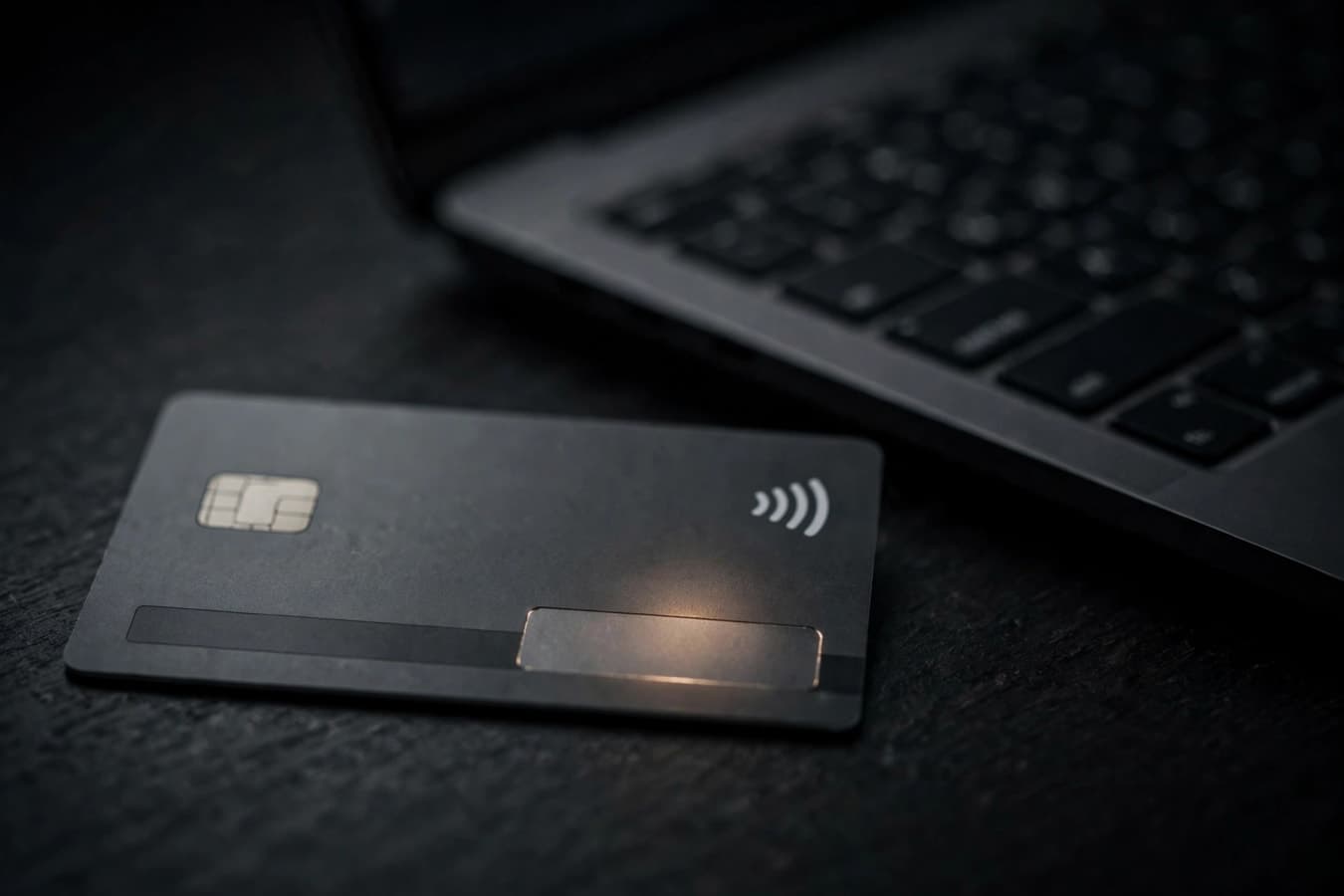
Most data breaches expose card numbers and expiry dates. This one is different because the attackers also got the CVV codes — the three- or four-digit security codes printed on the back of a card. That combination is exactly what someone needs to attempt an online purchase with a stolen card, without ever holding the physical card.
It also raises a difficult question for Cleverbridge. The Payment Card Industry Data Security Standard (PCI DSS), the rulebook that card networks require merchants and payment processors to follow, explicitly prohibits storing CVV codes after a transaction is authorised, even in encrypted form. Requirement 3.3.1.2 of the standard bans it outright.
Cleverbridge has not explained how the attackers obtained the codes. There are two main possibilities, and the company has confirmed neither:
- The codes were retained on its systems after transactions, in breach of the PCI DSS rule.
- The attackers intercepted the codes while payments were being processed, before they were discarded.
Either way, the missing explanation is now the central unanswered question of the incident. Security researchers and card schemes will want to know which one it was, because the answer decides whether this was a storage failure, a processing interception, or something else entirely. Until Cleverbridge says more, customers should assume the worst about the usability of the stolen data and act accordingly.
Was it ransomware?
Cleverbridge says no. Its incident update states that none of its systems were encrypted, which rules out the classic ransomware scenario where attackers lock systems and demand payment to restore them. The company has not given technical details of how the attackers got in.
One security publication reported that a ransomware group calling itself N0n claimed responsibility for the attack and said it had leaked stolen data on a dark web leak site. That claim has not been confirmed by Cleverbridge, and the company's statement that no systems were encrypted sits awkwardly with a ransomware claim. Treat the group's claim as unconfirmed for now. What is confirmed is that card data was copied, and that is damaging enough on its own.
Who could be affected
Cleverbridge sits in the middle of the software supply chain. It does not sell software under its own name to consumers; it processes payments for companies that do. That means the people affected are customers of Cleverbridge's clients, and many of them will never have heard of Cleverbridge.
Clients listed on the company's website include:
- Red Hat — enterprise Linux and open source software
- SUSE — enterprise Linux
- Tenable — vulnerability management and security software
- Veeam — backup and data protection software
- Jamf — Apple device management
- Parallels — virtualisation software for Mac
- Sony — consumer electronics and software
- Malwarebytes and Sophos — consumer and business security software
Cleverbridge has not said which of these businesses' customers were affected, and it has not given a total number of victims. If you bought or renewed software from any of these companies — or from a smaller software vendor whose checkout you did not look at closely — your card may have passed through Cleverbridge. The safest approach is to check your statements rather than assume you are unaffected.
What Cleverbridge is doing now
- The company says it contained the intrusion on November 4 and has cut off the attackers' access.
- It has contacted data protection authorities, payment card schemes and its payment partners.
- It is working with a specialist police cybercrime unit.
- It hired TransUnion's Cyberscout service to help distribute breach notifications and offer affected cardholders credit or identity monitoring where available.
- Affected customers are being offered 24 months of free credit monitoring and fraud assistance.
- Cleverbridge advises customers to watch for phishing attempts and warns that it will never ask for card details, passwords or security codes by email, phone or text.
What the company has not done yet is explain the attack itself. There is no public detail on the entry point, no timeline for how long the attackers were inside before November 4, no victim count, and no explanation of the CVV question. Those gaps are normal in the early days of an investigation, but they are also the details regulators, card schemes and affected customers will keep asking for.
What to do if you may be affected
If you have bought software online in the past year, especially from the companies listed above, take these steps now rather than waiting for a notification letter:
- Check your card statements. Look back over recent months for transactions you do not recognise, including small test charges. Fraudsters often start with a tiny charge to check whether a card still works.
- Contact your card issuer immediately if you see anything unfamiliar. Ask about replacing the card. A replacement card with a new number and CVV makes the stolen details useless.
- Turn on transaction alerts. Most banks and card apps let you get a notification for every charge. That turns a stolen card from a slow discovery into an instant one.
- Do not wait for the letter. Cleverbridge began notifying people on November 20, but notifications go out in waves and not everyone who is affected may be contacted. Your statement is the fastest source of truth.
- Watch for phishing. Breach victims are prime targets for follow-up scams. Cleverbridge says it will never ask for card details, passwords or security codes by email, phone or text. Treat any message that does as a scam.
- Use the free monitoring. If you receive a notification offering 24 months of credit monitoring through TransUnion/Cyberscout, take it. It costs nothing and adds an extra layer of alerts.
- Consider a virtual card for future software purchases. Many banks now offer single-use or merchant-locked virtual card numbers for online shopping, so a breach at one checkout cannot expose the card you use everywhere else.

The bigger problem: the checkout you never see
The Cleverbridge breach is a reminder of how much of online shopping runs through companies buyers never meet. When you buy a software licence, your card details may pass through the vendor, a payment processor, a fraud-checking service and a subscription manager. Each of those is a separate target, and a breach at any one of them exposes you even if the company you thought you were buying from was never attacked.
That chain is also why the CVV question matters beyond this one incident. The PCI DSS ban on storing security codes exists precisely so that a breach of stored data cannot hand attackers everything they need to use a card online. If a processor was holding CVVs, the protection the standard is meant to provide was not working as designed. Card schemes will be asking Cleverbridge the same question customers are: how did the attackers get codes that should not have been stored at all?
For now, the practical advice is simple and does not depend on the answer. Check your statements, replace the card if there is any doubt, and turn on alerts. A breach notification letter is useful, but your own bank statement will tell you sooner whether your card has been used.
What is still unknown
- How many people had their card data copied.
- Which Cleverbridge clients' customers were affected.
- How the attackers got into the platform.
- How long they were inside before detection on November 4.
- How the attackers obtained CVV codes that payment rules say should not be stored after authorisation.
- Whether the ransomware group's claim of responsibility is genuine.
Cleverbridge says its investigation is ongoing. Until it publishes those answers, the confirmed facts are serious enough: card numbers, expiry dates and CVV codes were copied, notifications started 16 days after detection, and the company has not explained the most important detail of all.
FAQs
What is Cleverbridge?
Cleverbridge is a Germany-based e-commerce platform that handles online payments, checkouts and subscriptions for software and SaaS companies, including Red Hat, SUSE, Tenable, Veeam and Jamf.
What data was stolen in the Cleverbridge breach?
According to customer notifications reviewed by security publications, the stolen data includes payment card numbers, expiry dates and CVV/CVC security codes, plus contact details such as email and billing addresses. Cleverbridge says account passwords were not compromised.
When did the Cleverbridge breach happen?
Cleverbridge detected unauthorised activity on November 4, 2026, and began notifying affected customers on November 20, 2026. The breach was widely reported on November 23, 2026.
Why are stolen CVV codes so serious?
CVV codes are the three- or four-digit security codes on a card. Combined with the card number and expiry date, they are enough to attempt online purchases. Payment industry rules (PCI DSS) prohibit storing CVVs after a transaction is authorised, and Cleverbridge has not explained how attackers obtained them.
What should I do if I bought software through Cleverbridge?
Check your card statements for unfamiliar transactions, contact your card issuer about replacing the card if there is any doubt, turn on transaction alerts, and watch for phishing messages. Affected customers are being offered 24 months of free credit monitoring.
Was the Cleverbridge breach a ransomware attack?
Cleverbridge says no — none of its systems were encrypted. A ransomware group has claimed responsibility, but that claim is unconfirmed.
Was this article helpful?
Explore Specs, Comparisons & Related Topics

Written By
TechorCoffeeEditorial Team
The TechOrCoffee Editorial Team covers consumer hardware, artificial intelligence, software engineering, and regional smartphone & laptop market analysis.
Comments (0)
Leave a Comment
Read Next

Fri Nov 06 2026
AI Hackers Target Banks at Machine Speed, CERT-In Warns
CERT-In warns 'Crafty Falcon' is using AI tools to breach Indian lenders, fintech and crypto firms at machine speed. What the advisory says.

Fri Oct 30 2026
Gemini 4 Carbon: Google New No. 1 AI, Nobody Can Use Yet
Gemini 4 Carbon explained: Google second frontier model in two weeks, top benchmark scores, cybersecurity focus, Fairwind-only access, and price.
Fri Oct 30 2026
AI Scams in 2026: Spot Deepfakes, Phishing, Clones
AI scams in 2026: deepfake voice and video, polished phishing, fake shops and job offers, plus a 30-second check, safe words, and recovery steps.