Samsung Smart Glasses Open Pre-Orders With Gemini AI

Published (Updated )
Samsung Smart Glasses Open Pre-Orders With Gemini AI
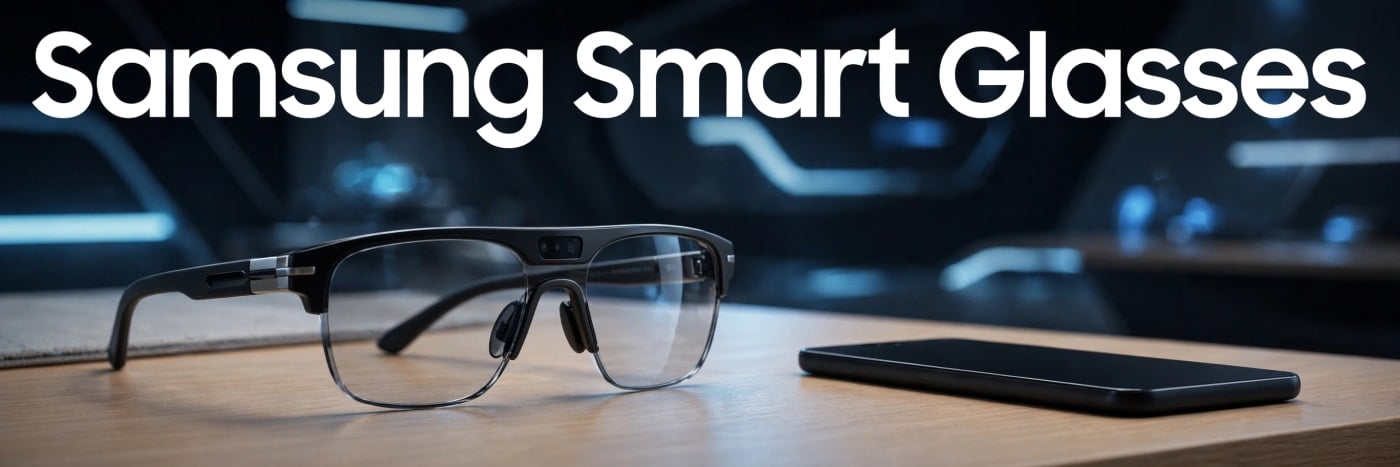
Samsung's first smart glasses opened for pre-order on 12 November 2026. They are Android XR Intelligent Eyewear, made with Google, and sold through Warby Parker and Gentle Monster. There is no display in the lenses. There are no AR overlays floating in front of your eyes. What you get instead is a camera, microphones, open-ear speakers, and Google's Gemini AI, reached through a connected smartphone.
These are not meant to replace a phone screen. They are meant to sit alongside a phone, listen, look, and answer, without putting anything in your field of vision.
Pre-orders opened through Warby Parker's website and its 350-plus retail stores in the United States, and through Gentle Monster. Deliveries are expected during the holiday season, with mid-December reported, and the glasses go on sale in stores and online on 10 December 2026, according to Google's launch post via VR.org. That timing puts them squarely in the holiday shopping window, which is not an accident. Glasses are a gift-shaped product, and a December sale date makes that clear.
How the pre-order date was announced
The date was announced by Warby Parker co-CEO Dave Gilboa on the company's third-quarter 2026 earnings call on 5 November 2026. His words were plain: "One week from today, on November 12, we'll begin accepting pre-orders for our first Intelligent Eyewear collection." A week later, pre-orders opened as promised.
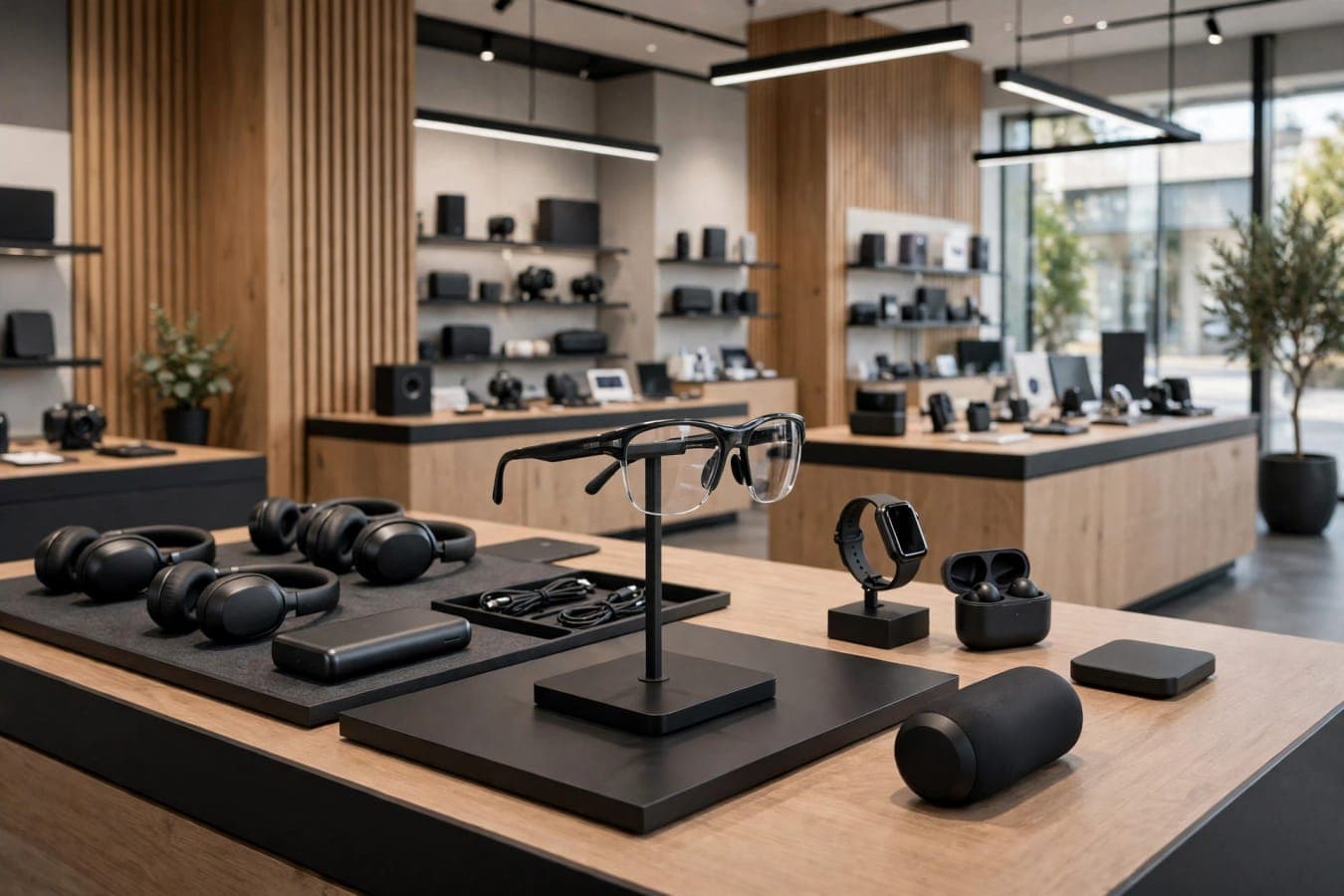
Warby Parker is an eyewear company, with stores people already visit to buy glasses. Selling smart glasses through those stores puts the product in a familiar place, where a buyer can try frames and check the fit in the same visit.
Gentle Monster sells its own collection, alongside Warby Parker's.
No display, by design
The most important thing to understand about these glasses is what they do not have. They are display-free. There is no screen in the lenses, and no AR overlays. You do not see notifications, maps, or images projected in front of you. Everything you hear comes through the speakers, and everything you ask goes through Gemini on your phone.
Without a display, the glasses can be lighter and look more like ordinary glasses. The interaction is mostly audio, plus the camera.
The hardware that makes that possible is straightforward to list. The glasses have a 12-megapixel camera, microphones, and open-ear speakers. They run Google's Gemini AI through a connected smartphone. They use Qualcomm's Snapdragon AR1 Gen 1 platform, the same chip as Ray-Ban Meta glasses. That shared chip is worth noting, because it puts Samsung's glasses on the same technical footing as one of the best-known AI glasses already on sale. The difference is not the chip. It is the frames, the retail partners, and the way Gemini is used.
They weigh around 41 grams, and offer up to nine hours of active use on a single charge, according to Samsung reporting.
The design and the frames
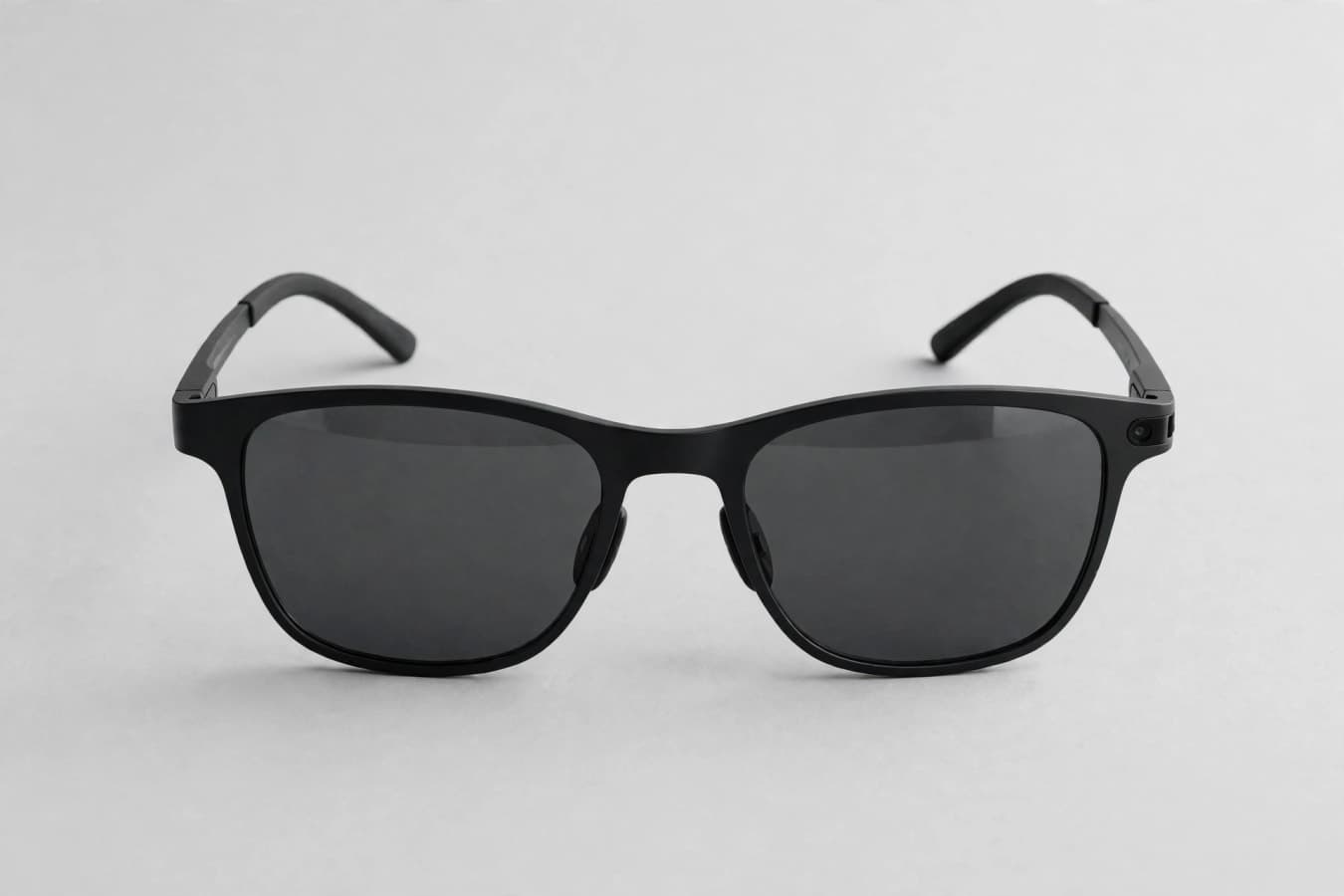
Warby Parker frames come in three silhouettes. Alden is rounded. Reid is square. Wren is cateye-adjacent. They come in black, brown, and green. Gentle Monster sells its own collection. That range matters, because glasses are worn on the face, and fit and style are personal in a way that a phone case is not. A person who would never wear a square frame will not buy square smart glasses, however good the AI is.
The three colours are restrained: black, brown, and green. Gentle Monster's own collection adds a different set of choices.

At around 41 grams, the glasses are close to the weight of ordinary glasses, and the frames are designed to be worn as glasses first.
What Gemini actually does
The features are built around Gemini, reached through a connected phone. The list is practical rather than showy. Live translation is one of the headline uses: look at text in another language, and hear the translation in your ear. That is a clear, everyday use, and it does not need a display to work. The glasses see the text, Gemini translates it, and the wearer hears the result.
Navigation audio prompts work in a similar way. Instead of looking at a map, the wearer hears directions. Notification summaries turn a run of alerts into a short spoken summary, rather than a list to read. AI-assisted photo processing improves the photos taken with the 12-megapixel camera. Visual understanding and context-aware assistance cover the broader idea: the glasses can look at what is in front of you, and Gemini can respond to it, with answers that take the surroundings into account.
None of those features needs a screen. The glasses are the part you wear, and the phone does much of the thinking.
Which phones work, and who can use them
The glasses pair with Pixel 7 and later phones, Samsung Galaxy S and Z phones, and iPhones with at least 6 GB of RAM. That last point is important. The glasses pair with both Android phones and iPhones, so they are not locked to Galaxy phones. A person with an iPhone can use them, provided the phone has enough memory. A person with a Pixel can use them. A person with a Galaxy phone can use them. The requirement is not the brand of the phone, but whether it meets the stated minimums.
They work only with Google accounts from the United States and South Korea, and only for users aged 18 and older. The initial launch covers the United States and South Korea, with other markets expected to follow in 2027.
Price, and what is still not official
Pricing was not announced before pre-orders opened. Samsung has only said the glasses will be "reasonably premium". Reports put the range at roughly $349 to $499. That range should be read as reports, not as an official price. Samsung has not confirmed a figure, and the range in reports is wide enough to cover two very different positions in the market. A price at the lower end would put the glasses close to other AI glasses. A price at the upper end would put them firmly in premium territory.
Until an official price is published, the reported range is the best guide available, and it should be read as reports, not a confirmed price.
Google has committed up to $150 million to the Warby Parker partnership.
A second-generation device, with a colour in-lens display, is in development, but it is not expected before late 2027. If a display is the feature you want most, the first generation will not give it to you.
A long road to pre-order
Samsung first showed the device publicly with Google at Google I/O in May 2026, and at Galaxy Unpacked in London in July 2026. That means the glasses were shown in public months before pre-orders opened in November. The gap between the first showing and the first sale is not unusual for a new kind of device. It gives the makers time to finish the software, settle the retail plans, and prepare the frames.
AI glasses shipments surged 263 percent year-on-year in the first half of 2026, according to Counterpoint Research. Samsung is entering a market that is already growing quickly.
Wearing a camera on your face
Privacy concerns have been raised about camera-equipped wearables, and these glasses will not escape that discussion. A camera on a pair of glasses is different from a camera on a phone. A phone is held up to take a photo, and people around can see that happening. Glasses sit on the face all day, and the camera points where the wearer looks. That raises questions about when photos are being taken, who is being recorded, and how people nearby know what is happening.
Those concerns also apply to other AI glasses, including Ray-Ban Meta glasses, which use the same Snapdragon AR1 Gen 1 chip.
For now, the practical questions are simpler. Do you want glasses with no display, a camera, and Gemini in your ear? Do you have a compatible phone, a Google account from the United States or South Korea, and are you 18 or older? Are you happy to buy through Warby Parker or Gentle Monster, and to wait for delivery in mid-December? And are you comfortable with the price, once Samsung confirms it, given that reports put it at roughly $349 to $499? Those are the checks that matter before pre-ordering. The second generation, with a colour display, is not expected before late 2027, so the choice now is between these glasses as they are, and waiting.
For buyers weighing the decision, the timeline is the clearest part of the story. Pre-orders opened on 12 November, deliveries are expected during the holiday season, with mid-December reported, and the glasses go on sale in stores and online on 10 December 2026. The frames are the part a buyer will live with every day, so the choice between Alden, Reid and Wren, in black, brown or green, matters as much as the camera or the chip inside. Gentle Monster's own collection offers a different set of frames for the same device. The phone in your pocket matters too. A Pixel 7 or later, a Galaxy S or Z phone, or an iPhone with at least 6 GB of RAM will pair with the glasses, and the Google account used with them must be from the United States or South Korea. The glasses were first shown publicly with Google at Google I/O in May 2026, and again at Galaxy Unpacked in London in July 2026, so the November pre-order date came after months in public view.
FAQs
When did Samsung smart glasses open for pre-order?
Pre-orders opened on 12 November 2026 through Warby Parker, on its website and in 350-plus US retail stores, and through Gentle Monster, with deliveries during the holiday season and sale in stores and online on 10 December 2026.
How much do Samsung's smart glasses cost?
Pricing was not announced before pre-orders. Samsung has only said they will be "reasonably premium", and reports put the range at roughly $349 to $499, presented as reports, not an official price.
Do the glasses have a display?
No. They are display-free, with no screen in the lenses and no AR overlays. They use a 12-megapixel camera, microphones and open-ear speakers, with Google's Gemini AI through a connected smartphone.
Which phones work with the glasses?
They pair with Pixel 7 and later, Samsung Galaxy S and Z phones, and iPhones with at least 6 GB of RAM. They are not locked to Galaxy phones.
Who can use them, and where are they sold at launch?
They work only with Google accounts from the US and South Korea, for users 18 and older. The initial launch covers the US and South Korea, with other markets expected to follow in 2027.
What frames are available?
Warby Parker frames come in three silhouettes, Alden (rounded), Reid (square) and Wren (cateye-adjacent), in black, brown and green. Gentle Monster sells its own collection.
Is a version with a display coming?
A second-generation device with a colour in-lens display is in development but is not expected before late 2027.
Was this article helpful?

Written By
TechorCoffeeContributing Writer
TechorCoffee is a technology reporter and software creator writing reviews and tutorials for TechOrCoffee.
Comments (0)
Leave a Comment
Read Next

Thu Mar 12 2026
Leaks & Rumors: MacBook Air M4 vs MacBook Neo: Full Comparison
MacBook Air M4 and MacBook Neo target different users in Apple’s lineup. Neo focuses on affordability and everyday tasks, while Air M4 delivers stronger performance, better graphics, and higher memory options for demanding workloads like coding, editing, and multitasking.

Tue Mar 03 2026
MacBook Air M5: Apple's Game-Changing 2026 Launch Review
Apple unveils the MacBook Air M5 with revolutionary 3nm chip technology, enhanced AI capabilities, improved battery life, and stunning display upgrades. This comprehensive analysis covers specifications, performance benchmarks, pricing, and this new release justifies upgrading from previous models.
Tue Jun 16 2026
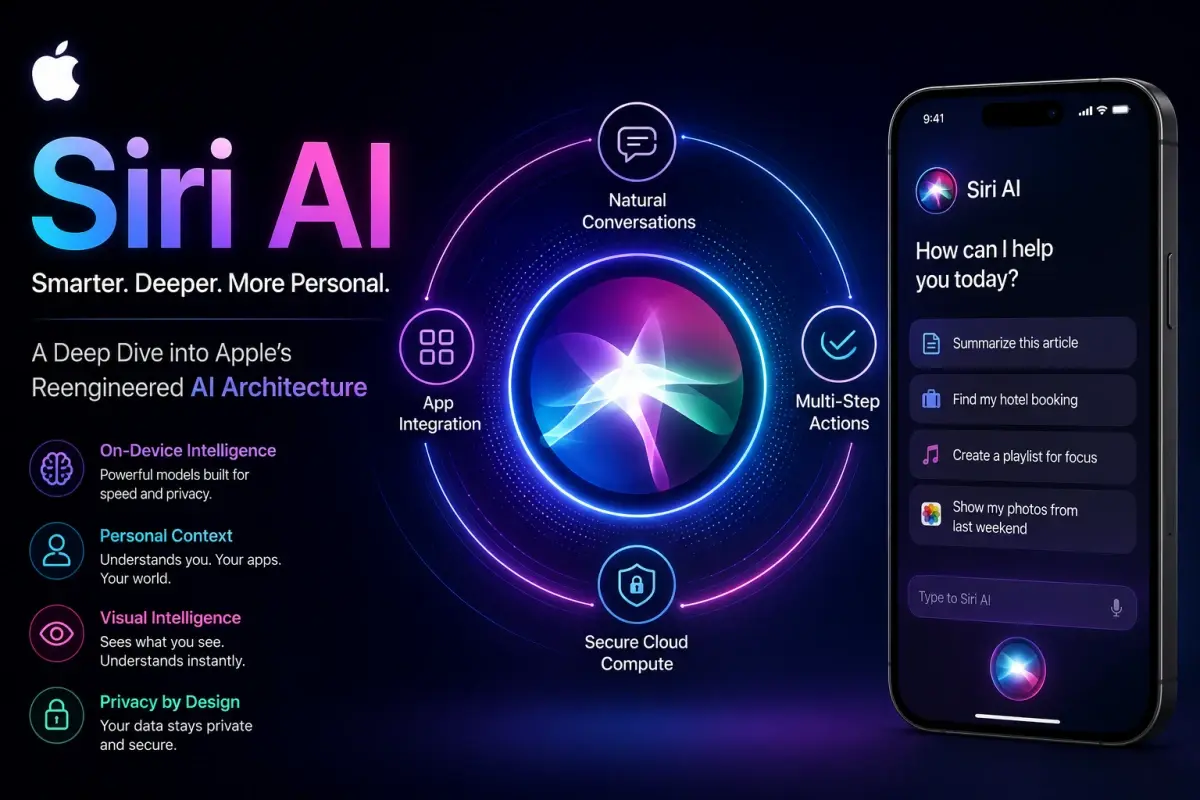
Apple Intelligence 2.0: Siri AI & iOS 27 at WWDC 2026
Apple Intelligence 2.0 is here. I cover Siri AI, iOS 27 release dates, supported devices, and how Apple's new AI really compares to ChatGPT and Gemini.