RTX 5080 vs AMD RX 9070 XT: Is NVIDIA Worth the Premium?

Published
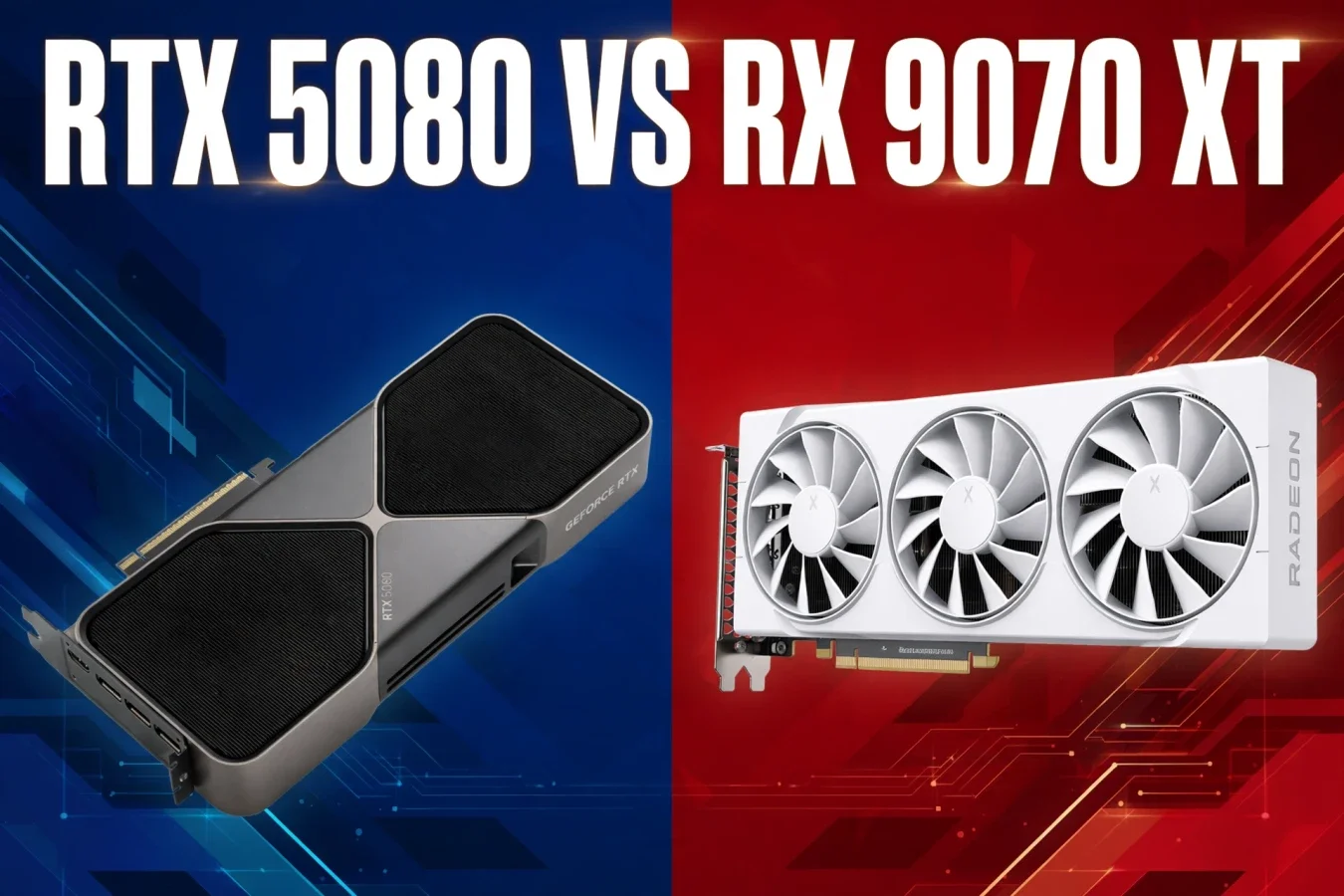
Two high-end cards — one faster, one cheaper
RTX 5080 vs AMD RX 9070 XT compares NVIDIA's Blackwell high-end card against AMD's RDNA 4 high-end card, both with 16GB of VRAM. On paper, RTX 5080 is faster, especially in ray tracing, while RX 9070 XT is cheaper and draws less power. For most gamers, RX 9070 XT is the better value; for gamers who want the best ray tracing and DLSS 4, RTX 5080 is the better choice. For creators, RTX 5080's bandwidth and software help more.
| GPU | Shaders / CUDA cores | VRAM | Memory bus / bandwidth | RT cores | TDP / PSU |
|---|---|---|---|---|---|
| RTX 5080 | 10,752 CUDA | 16GB GDDR7 | 256-bit / 960 GB/s | 84 | 360W / 850W |
| RX 9070 XT | 4,096 shaders | 16GB GDDR6 | 256-bit / 644.6 GB/s | 64 | 304W / 700W |
Specifications
RTX 5080 uses Blackwell, with 10,752 CUDA cores, 84 RT cores, 336 Tensor cores, 16GB of GDDR7 memory on a 256-bit bus, 960 GB/s of bandwidth, 64MB of L2 cache, and a boost clock of 2,617MHz. RX 9070 XT uses RDNA 4, with 4,096 shaders, 64 RT cores, 16GB of GDDR6 memory on a 256-bit bus, 644.6 GB/s of bandwidth, 8MB of L2 cache, and a boost clock of 2,970MHz. Both cards support DirectX 12.2, with RTX 5080 supporting DLSS 4 and RX 9070 XT supporting FSR 4.
For 4K gaming, RTX 5080's bandwidth is the bigger advantage. For 1440p gaming, both cards are strong, so the gap is smaller. For AI work, RTX 5080's Tensor cores and bandwidth help more. For a compact build, RX 9070 XT's lower power and smaller cooler are the bigger advantage.
Performance
No controlled side-by-side test between these exact two cards was reviewed for every game, so this article uses published benchmark summaries with their sources named. HowManyFPS, using real gameplay sessions across 100+ games, puts RTX 5080 about 12% to 13% faster on average than RX 9070 XT, with a gaming score of 70/100 against 62/100. NanoReview puts RTX 5080 about 9% faster on average at QHD, with 165 FPS against 152 FPS. Tech Insider notes that the gap is about 15% to 20% in pure rasterization and about 25% to 30% with ray tracing enabled, with some outlets finding up to 40% at 4K.
For students, both cards should handle notes, browsing, documents and light coding easily, but both are overkill for office work. For creators, RTX 5080 should help more in rendering and encoding, while RX 9070 XT should handle photo and light video work well. For developers, both cards should handle compilation, with RTX 5080 helping more in GPU-accelerated builds. For heavy rendering, RTX 5080 wins clearly; for 1440p gaming, both cards are strong.
Gaming
For gaming, RTX 5080 wins on average, with about 12% more performance across 100+ games, per HowManyFPS. In rasterization-heavy scenes, RX 9070 XT is competitive, and in some games, such as Call of Duty: Black Ops 7 at 1440p Extreme, RX 9070 XT averaged about 183 FPS, against RTX 5080 at about 172 FPS, per Tweakers testing cited by NoobFeed. In Borderlands 4 at 1440p with Quality upscaling, RTX 5080 averaged about 86 FPS, against RX 9070 XT at about 82 FPS, per ComputerBase testing. With undervolting, a premium RX 9070 XT reached 66 FPS in Cyberpunk 2077 at 4K Ultra, against RTX 5080 at 65 FPS, per TechPowerUp, but that test used a premium card with a $200 markup.
For gamers at 4K, RTX 5080 wins more clearly, especially with ray tracing. For gamers at 1440p, both cards are strong, with RX 9070 XT winning some titles. For gamers who use upscaling, both cards benefit, with RTX 5080's DLSS 4 helping more in supported titles and RX 9070 XT's FSR 4 helping more in AMD-supported titles.
AI performance
RTX 5080 has 336 Tensor cores, 960 GB/s of bandwidth, and DLSS 4 with Multi Frame Generation, against RX 9070 XT's RDNA 4 AI accelerators, 644.6 GB/s of bandwidth, and FSR 4. NanoReview puts RTX 5080 at 297K in Geekbench 6 Compute, against RX 9070 XT at 182K, a gap of about 63%. For local AI models, both cards have 16GB of VRAM, so similar model sizes fit on either, but RTX 5080's bandwidth should help more in heavy workloads. For everyday AI features, both cards are fast, with RTX 5080 helping more in NVIDIA-supported apps.
For local LLM research, both cards are limited by 16GB of VRAM, so larger models need a 32GB card instead. For photo and video AI features, both cards should handle them, with RTX 5080 helping more in supported apps. For gaming AI features, such as DLSS 4 and FSR 4, both cards benefit, with RTX 5080's DLSS 4 helping more in NVIDIA-supported titles.
Display
Neither GPU has a laptop display, because both are desktop graphics cards, so display size, resolution and refresh rate depend on the monitor, not the GPU. RTX 5080 supports DisplayPort 2.1 and HDMI 2.1, with 16GB of GDDR7 for 4K work, while RX 9070 XT also supports DisplayPort 2.1 and HDMI 2.1, with 16GB of GDDR6 for 4K work. For 4K gaming, both cards support high refresh rates, with RTX 5080 helping more in heavy scenes. For 1440p gaming, both cards are strong, with RX 9070 XT already reaching high frame rates. For 8K work, neither card is ideal, because both have only 16GB of VRAM.
Battery
Desktop graphics cards do not have batteries, so battery life does not apply to this comparison. Instead, power and cooling matter: RTX 5080 draws 360W, with a recommended 850W power supply, while RX 9070 XT draws 304W, with a recommended 700W power supply. That means RTX 5080 needs a stronger power supply and better cooling than RX 9070 XT. For a quiet build, RX 9070 XT's lower power should help more. For a high-end build, check an 850W power supply for RTX 5080, and a 700W power supply for RX 9070 XT.
Thermals
RX 9070 XT's 304W TDP means it runs cooler than RTX 5080's 360W TDP, so it needs a smaller cooler and less case airflow. No controlled thermal or fan-noise test between these exact two cards was reviewed, so no temperature or noise winner is claimed beyond the power limits. For a quiet build, RX 9070 XT's lower power should help more. For sustained rendering, RTX 5080's higher power should help more, but it will also need better cooling. For a compact build, RX 9070 XT's smaller cooler is the better choice.
Price
RTX 5080 launched at $999 in the US on 30 January 2025, with RX 9070 XT launching at $599 in the US on 6 March 2025. Street prices in October 2026 were far above launch prices, with RTX 5080 at $1,319.99 and RX 9070 XT at $819.99, per HowManyFPS prices updated 30 October 2026, a gap of $500. Tech Insider notes typical RTX 5080 listings at $1,390 to $1,800 in late August 2026, well above its $999 launch MSRP. India prices were not confirmed in this article for both cards together, so check current retailer listings before buying. US prices exclude sales tax, while India prices include GST, so headline numbers are not directly comparable.
| GPU | US launch MSRP | US street, Oct 2026 | India |
|---|---|---|---|
| RTX 5080 | $999 | $1,319.99, HowManyFPS | Not confirmed in this article |
| RX 9070 XT | $599 | $819.99, HowManyFPS | Not confirmed in this article |
For a like-for-like build, compare the complete GPU, power supply and cooling cost, not just the GPU price, because RTX 5080 needs a larger power supply. For gaming, RX 9070 XT's lower price is justified by its strong 1440p performance; for ray tracing and AI work, RTX 5080's higher price is justified by its bandwidth and Tensor cores.
Verdict
Buy RTX 5080 if you want the best ray tracing and DLSS 4, from $999 launch MSRP, with street prices around $1,319.99 in October 2026. Buy RX 9070 XT if you want the best value, from $599 launch MSRP, with street prices around $819.99 in October 2026. For most gamers, RX 9070 XT wins on value; for most ray tracing fans, RTX 5080 wins on performance.
FAQs
Which is faster, 5080 or 9070 XT?
5080, by about 12% on average across 100+ games.
Which is better for ray tracing?
5080, by about 25% to 30% with ray tracing enabled.
Which is better value?
9070 XT, by about $500 cheaper in Oct 2026 street prices.
Which uses less power?
9070 XT, at 304W, against 5080's 360W.
Which has more VRAM?
Both have 16GB, but 5080 uses GDDR7 and 9070 XT uses GDDR6.
What is the 5080 price?
$999 launch MSRP, $1,319.99 street in Oct 2026.
What is the 9070 XT price?
$599 launch MSRP, $819.99 street in Oct 2026.
Was this article helpful?

Written By
TechorCoffeeContributing Writer
TechorCoffee is a technology reporter and software creator writing reviews and tutorials for TechOrCoffee.
Comments (0)
Leave a Comment
Read Next

Tue Apr 21 2026
Leaks & Rumors: Apple MacBook M6 with Touch Screen: My 2026 Leaks Expectations
As a tech journalist with 15+ years testing Apple gear, I break down the buzz around the Apple MacBook M6 with touch screen. Expect OLED touch displays, M6 chip leaps in AI tasks, and pricing from $1,099. I compare it to MacBook Air M6 and Pro M6, share my insights on battery life and workflows
Fri Jun 05 2026
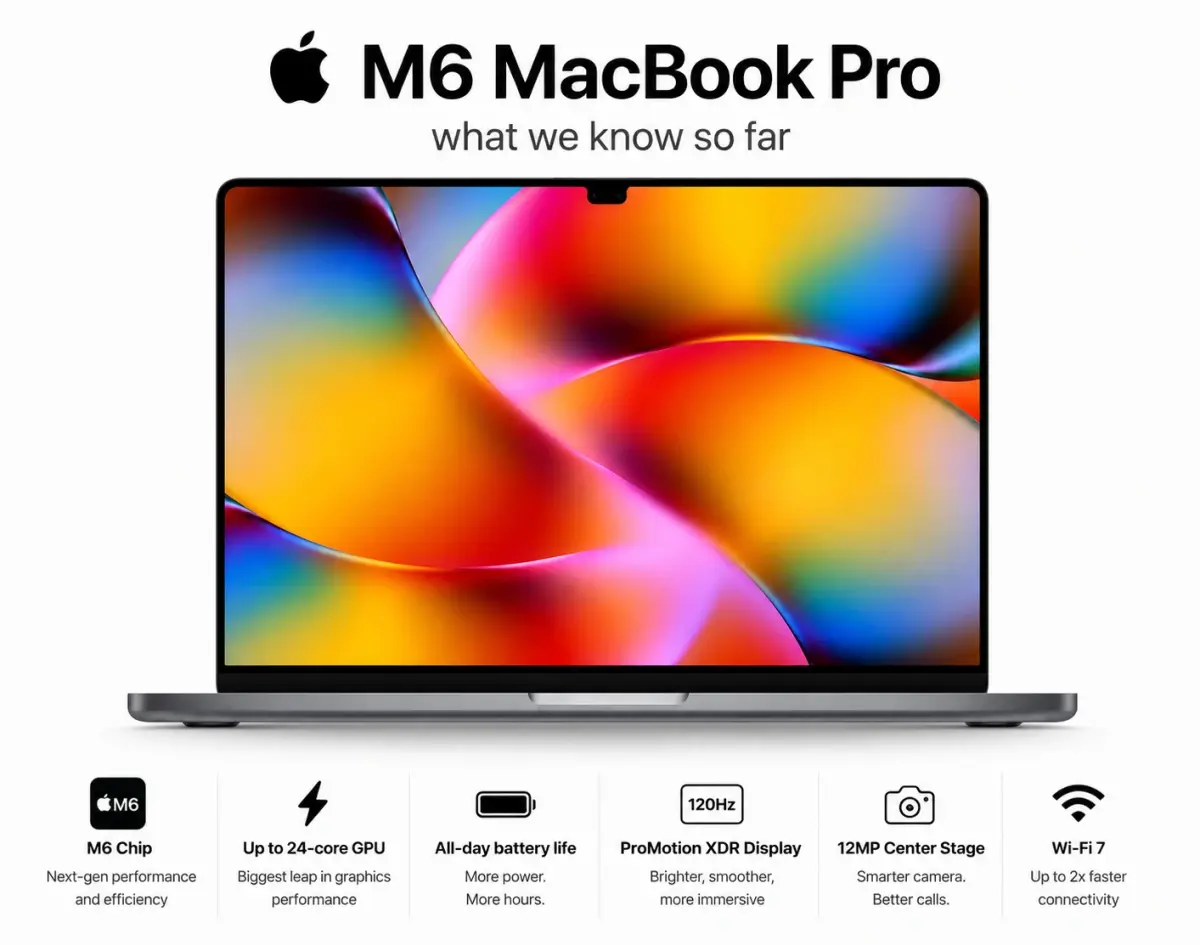
MacBook Pro M6 & OLED Screen: Full 2026 Guide (WWDC 26)
Everything you need to know about the MacBook Pro M6 in 2026 — OLED display, touchscreen, M6 chip specs, release date, and whether it's worth the wait.
Fri Apr 03 2026
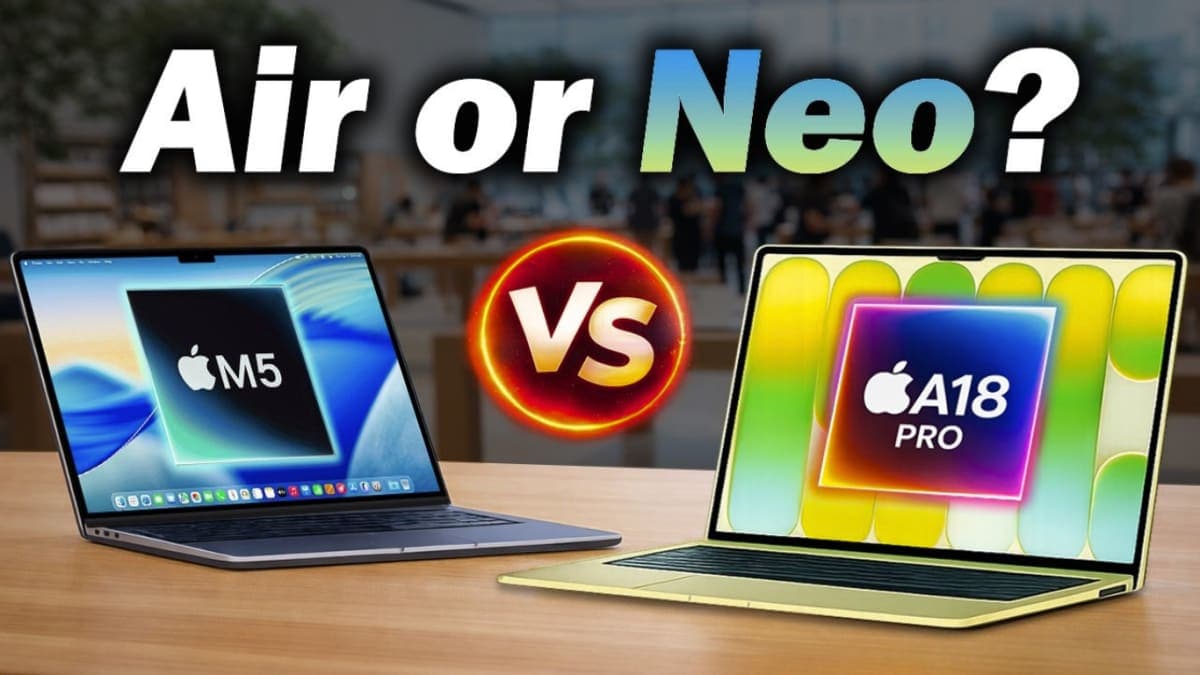
Leaks & Rumors: MacBook Neo vs MacBook Air M5: Which One Should You Buy ?
Apple launched two MacBooks in March 2026. The Neo starts at $599 with an A18 Pro chip great for light users. The Air M5 starts at $1,099 with M5, 16GB RAM, and Thunderbolt 4 built for serious work. One is a smart buy. The other is a smarter one.