Google Genie 4 Is Live: AI Worlds You Can Edit Mid-Game

Published (Updated )
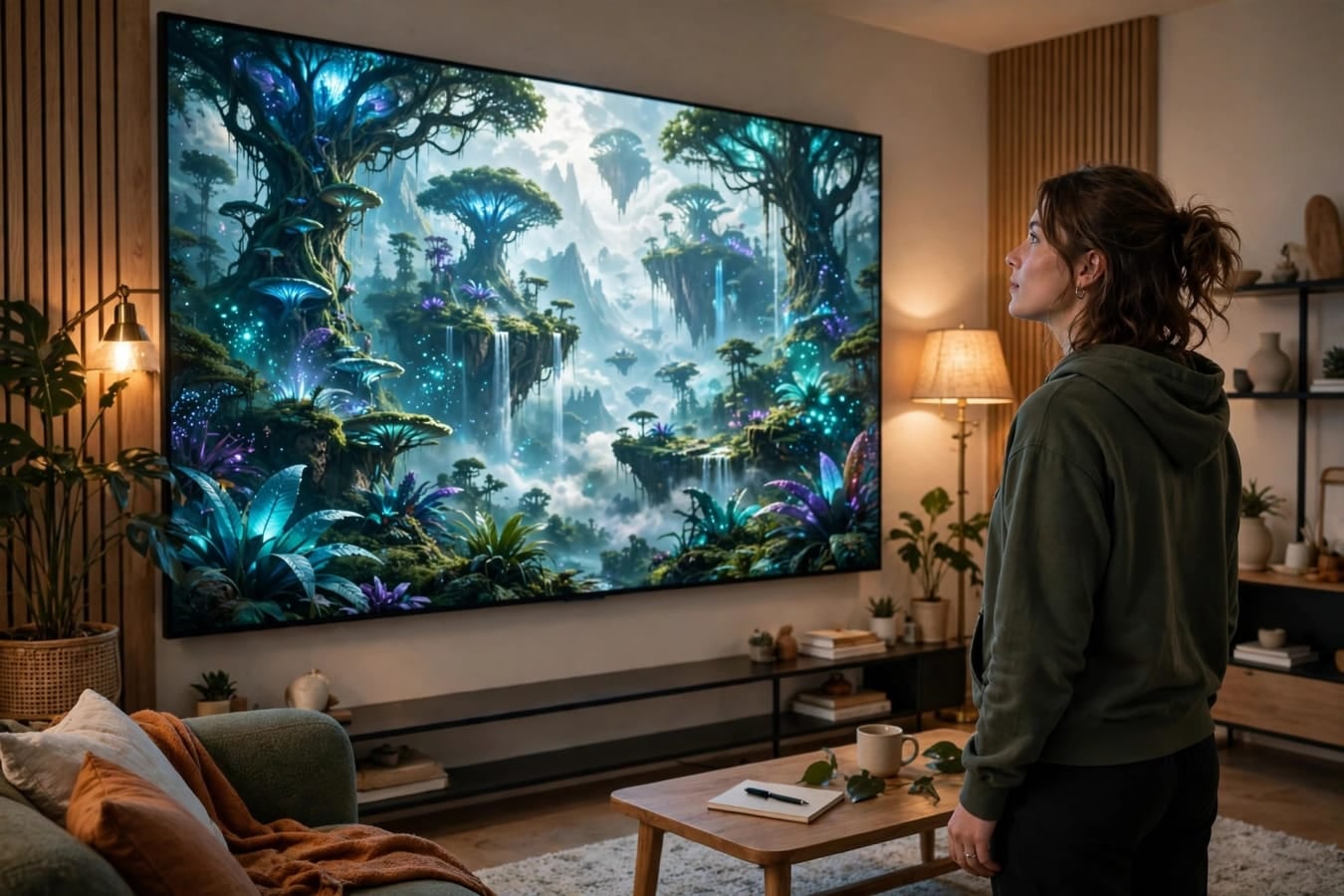
Google has opened Genie 4 to the public side of Project Genie, and it changes the rules of AI world building. For the first time, you can walk through an AI-generated world and change it while you are still inside it — shift the weather, drop in a character, or redirect the action with a typed prompt, without starting over.
The quick answer
- What launched: Genie 4, Google DeepMind's newest world model, is now live in Project Genie as of November 18, 2026
- Who can use it: eligible Google AI Ultra subscribers, with Google AI Pro members able to join a waitlist
- The big change: mid-session prompts let you edit a world live, while it is running
- The other big change: Genie 4 generates native audio — ambient sound, music and character dialogue — in the same pass as the visuals
- What else is new: a conversational Project Genie agent that helps you build, and a community gallery for discovering and remixing other people's worlds

What Genie 4 actually is
A world model is a different kind of AI from a chatbot or an image generator. Instead of answering a question or drawing a picture, it draws the next moment of a scene frame by frame as you move through it. There is no game engine underneath and no stored 3D map. The model invents the world as you explore it, and keeps it coherent enough that you can walk around in it. Google DeepMind calls Genie 4 its most realistic and interactive world model yet. It is natively multimodal, which means it handles visuals, physics and sound together rather than bolting them on afterwards. Gemini Omni provides a real-world reference for how the simulation should look and behave, while other Gemini models supply the reasoning that keeps scenes consistent. The model renders interactive, walkable worlds at 720p and up to 24 frames per second, according to reports of the launch. Google lists around a minute of continuous interaction as a current limit for Genie 4 sessions, which keeps it firmly in demo and short-experience territory for now.
The headline feature: editing a world while you are in it
Until now, building a world in Project Genie worked like this: you typed a prompt, the model generated a world, and if you wanted something different, you started again. Genie 4 breaks that loop. You can now type a new prompt mid-session to change the world you created, while you are still moving through it. The examples Google gives are practical rather than abstract:
- Change the weather: turn a sunny meadow into a rainstorm while you are standing in it
- Add a character or an object: drop a new person, creature or prop into the scene
- Move the camera: shift the viewpoint to see the world from a different angle
- Redirect the action: steer events in a new direction instead of watching the scene play out
That sounds like a small interface change, but it is the difference between a world generator and a world you can actually direct. It turns the experience from "generate and watch" into something closer to improvising with a scene that responds to you.
Worlds with their own soundtrack
The second headline addition is sound. Genie 4 is the first model in the Genie line that generates audio natively, in the same pass as the visuals. That means the ambience, the music and the dialogue of characters in the world are created together with the scene, and they react as the scene unfolds. In practice, that means:
- Ambient sound that matches the environment — wind in a forest, rain on a roof, a crowd in a market
- Music that fits the mood of the world you are walking through
- Character dialogue from the people and creatures in the scene, responding to what you do and what happens around them
For anyone who has tried earlier AI video or world tools, the silence was always the giveaway. A beautiful scene with no sound feels like a screensaver. Native audio is what makes a generated world start to feel like a place rather than a picture.
A new agent and a community gallery
Genie 4 is the headline, but the November 18 update also adds two features that change how people use Project Genie. The Project Genie agent: a conversational agent now helps you build your vision. Instead of guessing the right prompt, you can talk through what you want with the agent and let it help shape the world. For people who are new to prompting, that lowers the barrier considerably. The community gallery: you can now discover, explore and remix worlds other people have built. That matters because world building is a skill, and seeing what others have made — then remixing it — is the fastest way to learn. It also turns Project Genie from a solo experiment into something social, which is exactly what Google says it wants: the update is described as making these worlds "far more responsive, creative, and social."
Genie 3 is still there, and it got better too
Google has not retired Genie 3. It stays in the model picker inside Project Genie, and it still has a role. Genie 4 is positioned as the higher-fidelity option for visuals, physics and native audio, while Genie 3 remains the choice for longer runs or for worlds seeded from 360-degree panorama images. Genie 3 also got an upgrade in this update: sessions have been extended to three minutes, up from 60 seconds. That is still short, but it triples the time you get in a single run, and for a research prototype it is a meaningful step towards longer experiences.
Who can use it, and what it costs
Access is the catch, and it is a significant one. The rollout is limited to eligible Google AI Ultra subscribers. Google AI Pro members can join a waitlist on the Project Genie page, but they are not part of the initial rollout. The key access points:
- Google AI Ultra subscribers: can try the new Project Genie experience from November 18, 2026
- Google AI Pro members: can join a waitlist on the same page
- Price: Google AI Ultra costs $249.99 a month in the US, its top subscription tier
- Where it runs: in the browser at Google Labs, with no install needed
- Availability: Project Genie began in the US for AI Ultra subscribers aged 18 and over, and the rollout is described as for eligible subscribers
Google has announced no general availability date for Genie 4 beyond this rollout, and no API pricing or model identifier yet. For now, this is a premium-subscriber experience, not something most people can open and try.
The limits Google is open about
Google is unusually candid about what Genie 4 cannot do yet. The company describes both Genie 3 and Genie 4 as world models in the frontier research space, and it names four unresolved challenges:
- Camera latency: the view can lag behind your movement
- Intricate physical interactions: complex contact between objects is still unreliable
- Real-time audio precision: sound that must sync exactly with fast action can drift
- Long-term scene permanence: an object can come back changed after you look away
That last one is the most telling. A world that forgets what it built when you turn your back is not yet a persistent place. It is a performance that exists while you watch it. Google also notes that details can drift in longer sessions, which is why the session limits are short. There is also a safety layer. All video and audio generated in Project Genie carry SynthID, Google's imperceptible watermark for identifying AI-generated content, and all model inputs and outputs go through safety screenings.
How we got here
Genie 4 did not appear out of nowhere. The timeline is short but fast:
- January 29, 2026: the original Project Genie prototype, powered by Genie 3, begins rolling out to US Google AI Ultra subscribers aged 18 and over
- October 27, 2026: Google DeepMind announces Genie 4 as a research preview for trusted testers, and names AI Ultra subscribers in Project Genie and early-access Gemini API and Google AI Studio partners as the next release groups
- November 18, 2026: the new Project Genie experience opens to eligible Google AI Ultra subscribers, carrying out the Project Genie part of that plan, with the Genie 4 model card published the same day
The November rollout follows a busy month for Google's AI teams, with Gemini 4 and DeepMind's AlphaGenome 2 also landing in the same period. World models are becoming a visible part of Google's AI strategy, not just a research curiosity.
Why world models matter beyond games
It is easy to file Genie 4 under gaming, but Google's ambitions are wider. World models are a training ground for the AI systems that will have to act in the real world. A model that can simulate a scene, predict what happens next, and keep it coherent is useful for more than entertainment. The possible uses Google and DeepMind point to:
- Robot training: simulated environments where robots can practise tasks without breaking anything in the real world
- Agent training: AI agents that need to understand how a space works before they act in it
- Creative tools: film-makers, game designers and educators building interactive scenes from a description
- Interactive media: a new kind of content where the audience walks through the story instead of watching it
The durability of simulated worlds is the key constraint on all of that. Until a world can stay stable for a long session, it is a demo, not a tool. Genie 4 is a step towards that, but Google's own list of unresolved problems shows how far there is still to go.
What this means for you
If you are a Google AI Ultra subscriber, you can open Project Genie in your browser today and try Genie 4. Start with a simple world, then try a mid-session prompt — change the weather or add a character — to see the feature that makes this release different. If you are on Google AI Pro, join the waitlist on the Project Genie page. There is no date for when Pro members will get access, so the waitlist is the only move available. If you are a creator or game developer, the community gallery is worth watching even before you get access. The worlds other people build will show what the model is good at, and what it still fumbles. If you are just curious, remember this is still a research prototype. The worlds are short, the sessions are brief, and things will glitch. But the direction is clear: AI worlds that you can walk through, talk to, and change as you go.
What to watch next
- Rollout: whether the Gemini side panel reaches all Trends users quickly or arrives gradually by region
- Waitlist movement: how quickly Google AI Pro members start getting access after the initial Ultra rollout
- Session length: whether the one-minute Genie 4 limit grows the way Genie 3's did, from 60 seconds to three minutes
- API access: whether Gemini API and Google AI Studio partners get Genie 4, as promised in the October announcement
- Scene permanence: whether Google can fix the problem of objects changing when you look away, which is the biggest barrier to longer experiences
- The gallery: what the community builds once remixing is open, and whether standout worlds start to look like real creative work rather than demos
The bottom line
Genie 4 is not a finished product. It is a research system with short sessions, known glitches, and access limited to Google's most expensive subscribers. But it is also the first time a mainstream AI world model lets you change the world while you are standing in it, with sound that belongs to the scene. That combination — live editing plus native audio — is what makes this launch worth paying attention to. The worlds are still small and brief. The idea behind them is not.
FAQs
What is Google Genie 4?
Genie 4 is Google DeepMind's newest world model. It generates interactive, walkable worlds in real time that you can explore in a browser, and it is the first Genie model to generate native audio alongside the visuals.
How do I get access to Genie 4?
Genie 4 is live in Project Genie for eligible Google AI Ultra subscribers as of November 18, 2026. Google AI Pro members can join a waitlist on the Project Genie page, but they are not part of the initial rollout.
What is new in Genie 4 compared with Genie 3?
Genie 4 adds mid-session prompting, so you can change the weather, add characters or redirect events while inside a world, and native audio including ambient sound, music and dialogue. Genie 3 remains available for longer runs and panorama-seeded worlds.
How much does Google AI Ultra cost?
Google AI Ultra costs $249.99 a month in the US. It is Google's top subscription tier, and Project Genie access is currently limited to eligible Ultra subscribers.
Is Genie 4 a finished product?
No. Google describes Genie 3 and Genie 4 as frontier research systems. Known limits include camera latency, unreliable complex physics, real-time audio precision and long-term scene permanence, and Genie 4 sessions are currently around a minute of continuous interaction.
Was this article helpful?

Written By
TechorCoffeeContributing Writer
TechorCoffee is a technology reporter and software creator writing reviews and tutorials for TechOrCoffee.
Comments (0)
Leave a Comment
Read Next

Tue Apr 21 2026
Best AI Tools for Students & Creators in 2026:Complete Guide
AI tools are transforming how students learn and creators produce content. From writing assistants to design and research tools, these platforms save time, enhance creativity, and improve efficiency. Choosing the right AI stack can significantly boost productivity and output quality.
Tue Jun 16 2026
Apple Intelligence 2.0: Siri AI & iOS 27 at WWDC 2026
Apple Intelligence 2.0 is here. I cover Siri AI, iOS 27 release dates, supported devices, and how Apple's new AI really compares to ChatGPT and Gemini.
Tue Oct 13 2026
Gemini 4 Argon: Everything You Need to Know
Gemini 4 Argon is Google’s new flagship AI model. See its benchmarks vs GPT-6 Astra and Claude, pricing, 1M-token output, safety features and how to get access.