Hidden Enterprise Risk: How to Audit and Control 'Shadow AI'
Published

Artificial Intelligence (AI) is now a vital tool in any modern workplace where it can help increase productivity through features such as report writing, data analysis, and automating repetitive tasks. However, there are risks involved in
adopting AI tools. This risk is known as ‘Shadow AI’. Shadow AI is when AI applications are used by employees without the knowledge or oversight of the
organisations IT, Security and Compliance teams. Whilst they can make processes more efficient, using them without control could expose businesses
to risks such as data breaches, regulatory issues, intellectual property theft and reputational damage. Organisations need to understand how to detect, audit and manage Shadow AI whilst still encouraging responsible innovation.
Understanding Shadow AI
Shadow AI refers to employees using unauthorised AI applications to complete tasks. These could include uploading confidential business reports into a public
AI chatbot to create a summary, using an unapproved AI transcription tool during a client meeting or pasting customer data into an AI application.
These AI applications may not be compliant with a businesses existing security policy. Often these will be used due to convenience, ease of access and quick results. Most of the time they are being used with genuine intentions to help improve efficiency and deliver improved results.
However when AI is not being properly managed within an organisation there is less visibility around how sensitive data is being handled.
Why Shadow AI Is a Growing Enterprise Risk
Data leaks are a huge risk with the use of Shadow AI. Employees may accidentally share sensitive data (such as confidential documents, financial data, customer information and business strategies) with outside platforms.
Depending on how the tool is set up, data may be stored or used in ways that you haven’t checked.
Compliance issues can be a big issue for companies in certain industries like banking, healthcare, education and financial services. They will have strict rules around personal data. It will be hard to prove compliance if AI isn’t being used legally.
Some shadow AI tools may not have tight security measures in place. This can leave your organisation vulnerable to hackers who could use loopholes in your system to access your information.
Employees may share unreleased research, coding, design or confidential marketing strategies with an external AI. This can cause confusion around if these are confidential and who owns them.
AI can produce false information, biased recommendations and incorrect references. If employees use this without verifying it, it can cause poor decision making which can affect your business performance and customers.
How to Audit Shadow AI in an Organisation
The first thing you need to do when managing Shadow AI is to know where and how it is being used. You should put in place a structured auditing process.
1. Discover Unauthorised AI Applications
IT and cyber-security teams can look through network logs, application lists, browser usage and authorised software lists to understand which AI services are in use. Security devices can be used (where allowed under legal and internal guidelines) to monitor for any unusual data movement or interaction with unauthorised applications. This will provide a clear list of AI usage whilst maintaining staff privacy.
2. Survey Employees and Departments
Encourage staff to be open about all the AI tools they are using, and why. In departments like marketing, human resources, finance, research and customer support teams will likely use a variety of different apps.
Anonymous surveys and private conversations can be used to find out what tools people are using that may not show up in technical monitoring. Ensuring a positive approach will encourage staff to be transparent with their usage, and they may not want to admit to using them if they worry about being punished.
3. Assess Risks and Data Exposure
Every identified application should be evaluated according to the sensitivity of the information it handles, its security features, data-retention practices, access permissions, and compliance requirements.
Organisations should prioritise high-risk activities, such as uploading personal records, confidential financial documents, or proprietary code to unapproved
platforms.
4. Classify AI Tools by Risk
Based on the audit, organisations can classify applications as approved, conditionally approved, restricted, or prohibited. This classification helps employees understand which tools they can use and under what circumstances.
Practical Strategies to Control Shadow AI
Putting together a successful control strategy can come down to using a combination of technology, processes and educating staff.
An organisation should make sure that they have a clear policy on how the staff will use AI. This includes outlining what they can and cannot do, what information they can share and what needs to be approved. Keeping it simple here can help, so using some basic examples.
Provide secure and approved alternatives. If employees have no choice but to use unapproved tools because they don’t have access to the correct tools, then trying to place controls around them will likely fail. A good enterprise AI platform will have controls to limit access, legal terms and admin controls to reduce the incentive for using unapproved applications.
Ensure there are the right controls in place. This can include Data Loss Prevention tools, Identity Access Management, Browser Controls and monitoring of any suspicious data movements. Sensitive data should be encrypted, restricted with access and minimised.
Staff need to be regularly trained. They should know how to identify confidential data, validate the outputs of the AI, identify suspicious applications and report any possible security incidents. The training should be focused on using the AI responsibly.
Set up an AI Governance Team that includes members from IT, Cyber Security, Legal, Compliance, HR and the relevant business department. The team can be used to review new tools, investigate any incidents, update policies and assess new risks.
Conclusion
Shadow AI is a governance issue across the enterprise. Although there are real risks around data security, compliance, IP and decision making with AI being used without authorisation, complete bans are rarely sustainable. By implementing consistent audits, clear policies, safe alternatives, technical protections and continuous education on AI within the organisation, businesses can reduce the risks associated with uncontrolled AI use. In doing so you will also retain the benefits of using AI to increase productivity and innovation. The aim should be to ensure that all AI use supports your organisations security, ethical standards and future goals.
Was this article helpful?
Written By
Kanika TiwariContributing Writer
Kanika Tiwari is a technology reporter and software creator writing reviews and tutorials for TechOrCoffee.
Comments (0)
Leave a Comment
Read Next
Tue Apr 21 2026
Best AI Tools for Students & Creators in 2026:Complete Guide
AI tools are transforming how students learn and creators produce content. From writing assistants to design and research tools, these platforms save time, enhance creativity, and improve efficiency. Choosing the right AI stack can significantly boost productivity and output quality.
Tue Jun 16 2026
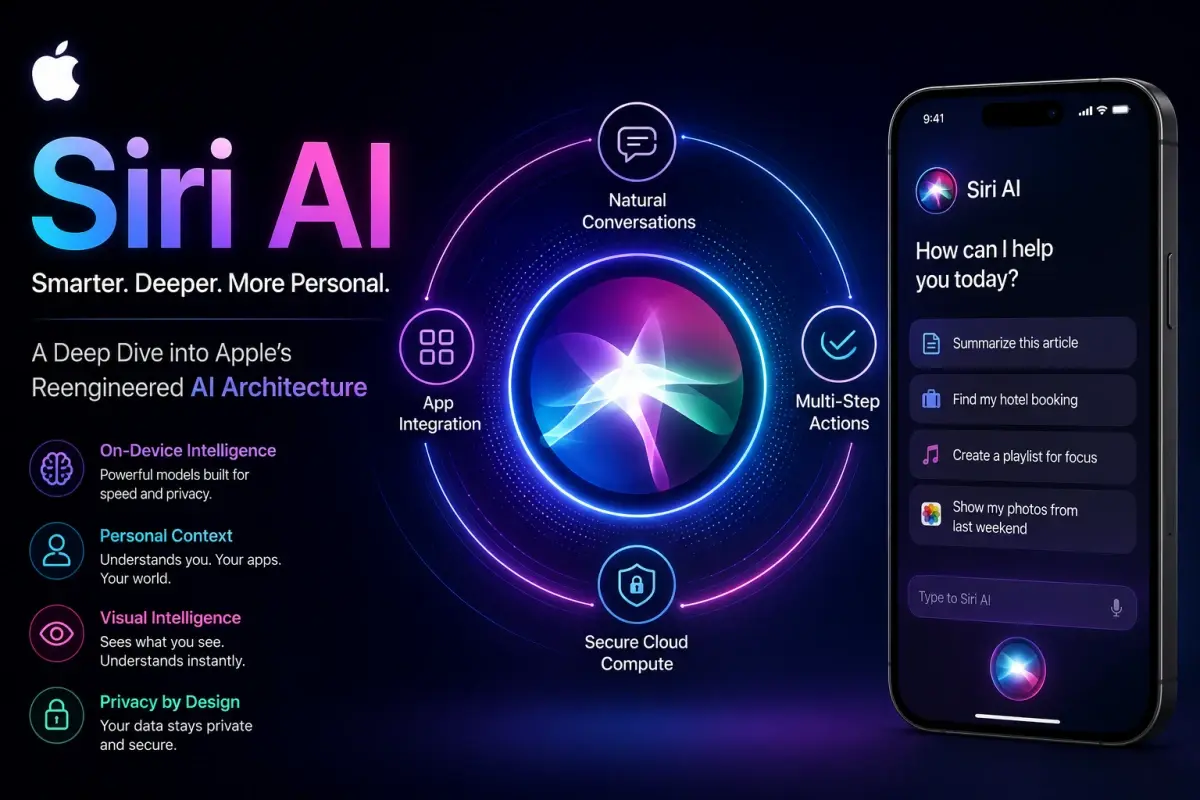
Apple Intelligence 2.0: Siri AI & iOS 27 at WWDC 2026
Apple Intelligence 2.0 is here. I cover Siri AI, iOS 27 release dates, supported devices, and how Apple's new AI really compares to ChatGPT and Gemini.

Tue Oct 13 2026
Gemini 4 Argon: Everything You Need to Know
Gemini 4 Argon is Google’s new flagship AI model. See its benchmarks vs GPT-6 Astra and Claude, pricing, 1M-token output, safety features and how to get access.